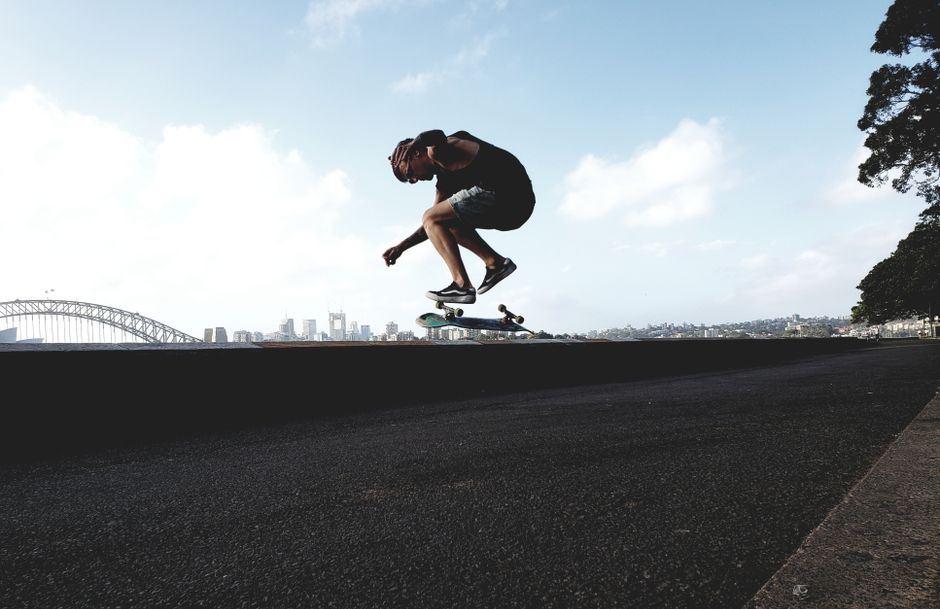
On any given Tuesday evening, the courts beneath the Cahill Expressway near Circular Quay pulse with activity. This isn't a commercial gym or an elite training facility—it's one of dozens of grassroots fitness spaces where Sydneysiders of all ages and abilities gather to move, strengthen, and belong.
The community sport movement has quietly reshaped the city's fitness landscape over the past five years. What began as informal park-based circuits and outdoor bootcamps has evolved into an organised network of free and low-cost training initiatives. According to Sport Australia data from 2025, participation in community-organised fitness has grown by 34 per cent across major Australian cities, with Sydney leading the charge.
"The momentum is genuinely grassroots," explains Marcus Chen, founder of a volunteer-run training collective operating across Inner West suburbs. His network now facilitates weekly sessions in Marrickville, Dulwich Hill, and Enmore, with a combined membership of over 1,200 people. "People were hungry for connection, not just exercise. The gym industry serves a function, but it doesn't build community the same way."
The economics tell a compelling story. While commercial gym memberships in Sydney average $60–$80 monthly, community-run programs charge $5–$15 per session, or operate entirely free. This accessibility has opened fitness to demographics traditionally locked out: pensioners, unemployed residents, and migrant communities across Greater Sydney.
Council support has been instrumental. Strathfield Council allocated $120,000 in 2024 to develop the Strathfield Grassroots Sports Initiative, providing equipment, insurance, and volunteer training. The scheme now reaches 400 participants across five suburbs. Similar programs are rolling out in Waverley, Randwick, and Penrith councils.
Digital platforms have accelerated the movement's growth. Apps like Community Fit Sydney and local Facebook groups now coordinate hundreds of sessions weekly—from strength training in Homebush Bay parklands to swimming collectives at Collaroy pool. This infrastructure bypasses expensive membership gatekeeping entirely.
The training itself varies wildly: boxing in Redfern, parkour in Barangaroo, swimming technique workshops at Clovelly. Importantly, these are led by volunteers—personal trainers donating hours, physiotherapists running injury prevention clinics, former athletes mentoring younger participants.
As commercial fitness faces demographic headwinds—younger Australians increasingly skeptical of gym culture—the grassroots alternative offers something different: genuine community, transparent pricing, and training rooted in local needs rather than profit margins. For Sydney's fitness culture, the real growth isn't happening behind locked doors. It's happening in parks, on courts, and in spaces Sydneysiders have claimed themselves.
This article was compiled by AI from the sources linked above and screened before publishing. See our editorial standards.