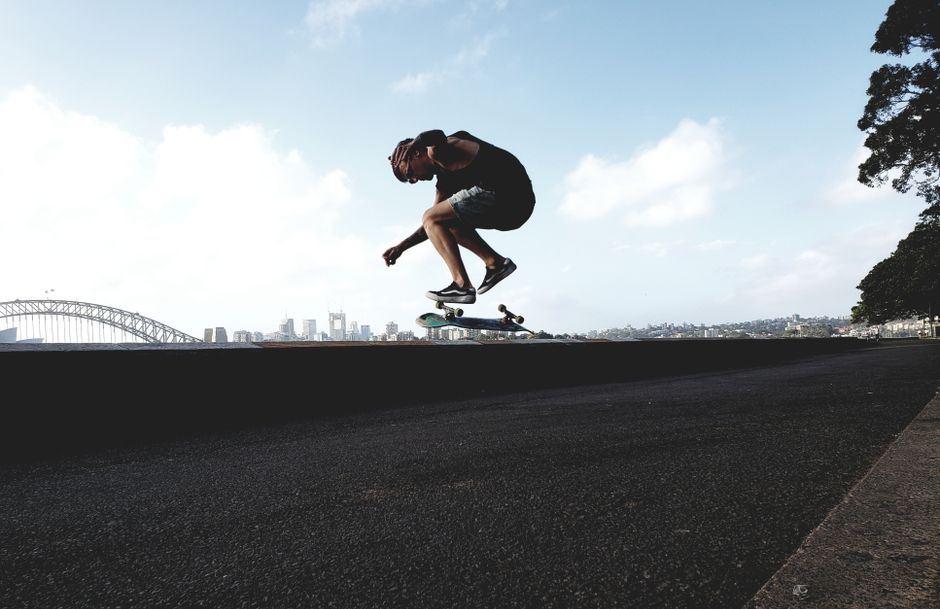
On a Tuesday evening in Marrickville, the oval behind the community centre fills with joggers, beginners and seasoned players arriving straight from work. There's no sponsorship deal, no professional commentary, just 40 locals preparing for their weekly recreational netball match. This scene, repeated across Sydney's parks and playing fields, represents the quiet backbone of Australian grassroots sport.
The recreational sport movement in Sydney has experienced remarkable growth over the past five years, with participation in community leagues increasing by approximately 23 per cent according to Sport NSW data. Yet this expansion exists almost entirely below the radar of mainstream sporting media, driven by volunteers who dedicate hundreds of unpaid hours to keeping local clubs operational.
Inner-west suburbs like Marrickville, Dulwich Hill and Leichhardt have seen their amateur football and netball clubs thrive, with waiting lists now common at established venues. Registration fees—typically $150 to $280 per season—remain deliberately modest to ensure accessibility across socioeconomic backgrounds. Similarly, beach volleyball communities around Bondi, Coogee and Cronulla have expanded dramatically, with informal club structures now servicing nearly 2,000 regular participants.
What makes this movement compelling is its hyper-local character. The Strathfield District Amateur Cricket Association manages 18 teams across three grades. The Northern Beaches Touch Football League operates from multiple reserves, with women's participation doubling since 2022. These aren't corporate initiatives—they're run by residents who see sport as essential social infrastructure.
"People aren't just coming for the exercise," explains one long-standing volunteer administrator at a Randwick-based rugby league club, speaking on condition of anonymity. "They're building friendships, creating routines, becoming part of something bigger than themselves."
The economic impact deserves recognition too. Local pubs, cafes and equipment suppliers around sporting hotspots benefit considerably from team gatherings and social events. Councils across Greater Sydney have quietly invested in oval maintenance and facility upgrades, recognising grassroots sport's role in community cohesion.
Challenges remain real. Many volunteer-run clubs operate on threadbare budgets. Ground access increasingly competes with council development priorities. Younger players often migrate toward structured, professionally-coached pathways.
Yet Sydney's grassroots sport movement persists, expanding organically because people fundamentally value what it provides: belonging, physical activity and genuine community. In suburbs from Penrith to Cronulla, thousands of amateur athletes are writing their own sporting story—one that deserves far greater recognition.
This article was compiled by AI from the sources linked above and screened before publishing. See our editorial standards.