Sydney's outdoor adventure climbing scene has exploded over the past five years, but the infrastructure supporting it is straining under the weight of enthusiasm. From the sandstone cliffs of the Blue Mountains to purpose-built facilities in inner-city suburbs, the question facing sport administrators and venue operators is whether existing infrastructure can sustain the momentum.
Climbing gyms have proliferated across Sydney's inner west and north, with facilities in Marrickville, Gladesville, and Alexandria now reporting wait-lists during peak hours. Industry data suggests indoor climbing participation has grown by roughly 35 per cent since 2022, yet the number of purpose-built venues has only doubled in that timeframe. Peak evening sessions at facilities like those along Parramatta Road regularly see capacity crowds, forcing operators to consider expansion or staggered booking systems.
The outdoor scene tells a different story. Blue Mountains climbing areas remain Sydney's premier destination, drawing thousands annually to routes around Katoomba and the Grampians. However, access infrastructure—parking, amenities, and maintained approach trails—has not kept pace. The Penrith and District Climbing Club, which manages several popular crags, reports that visitor numbers have tripled in the past four years, straining basic facilities like toilet blocks and water access.
Local councils are beginning to respond. Wollongong City Council recently approved funding for improved parking and trail maintenance at Ben Bulben, a major sport climbing destination south of Sydney. Meanwhile, proposals for an Olympic-standard climbing wall facility in western Sydney remain in planning stages, potentially years away from completion.
Equipment retailers report that climbing wall rental and purchase costs have made these venues commercially viable, with memberships ranging from $89 to $189 monthly at established gyms. Yet accessibility remains an issue for casual participants. One-off sessions often cost $25–$35, creating barriers for those testing the sport before committing financially.
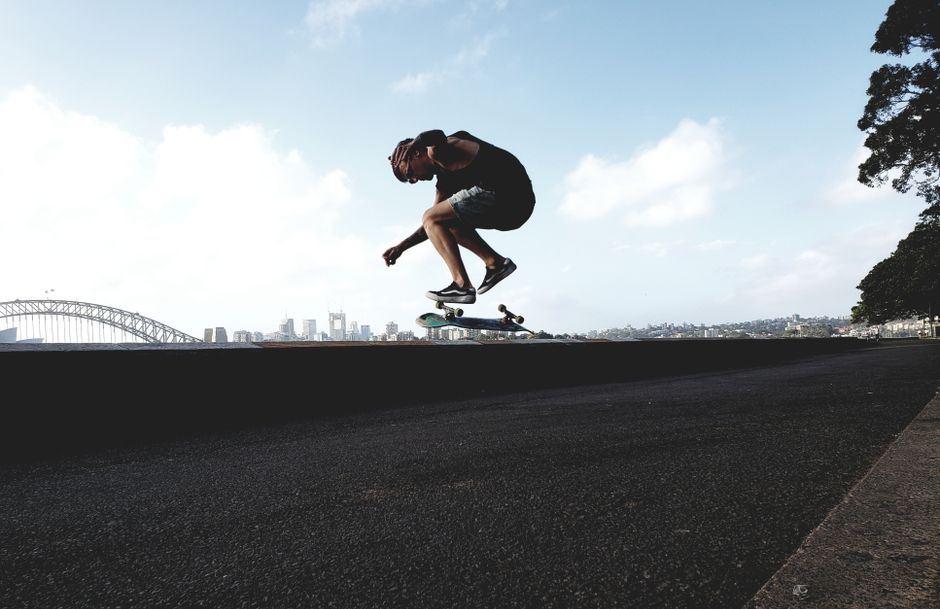
The infrastructure gap extends beyond climbing. skateparks in Bondi, Marrickville, and Bass Hill are seeing similar demand spikes, while BMX facilities compete for council funding alongside traditional sports amenities. Sport NSW has flagged extreme sports infrastructure as a priority in its latest facilities plan, acknowledging that Sydney's reputation as a global adventure destination depends on matching community enthusiasm with physical infrastructure.
For now, Sydney's climbing community is adapting—sharing beta online, establishing new crags, and advocating for better public investment. But without coordinated planning between local councils, state government, and private operators, some fear the boom could plateau as frustrated participants hit facility ceilings.
This article was compiled by AI from the sources linked above and screened before publishing. See our editorial standards.