How Paris's New Heritage Protections Are Reshaping the Ultra-Luxury Market
Stricter planning rules around iconic neighbourhoods are forcing premium developers to rethink strategy—and redefining where Paris's wealthiest are willing to buy.
Stricter planning rules around iconic neighbourhoods are forcing premium developers to rethink strategy—and redefining where Paris's wealthiest are willing to buy.
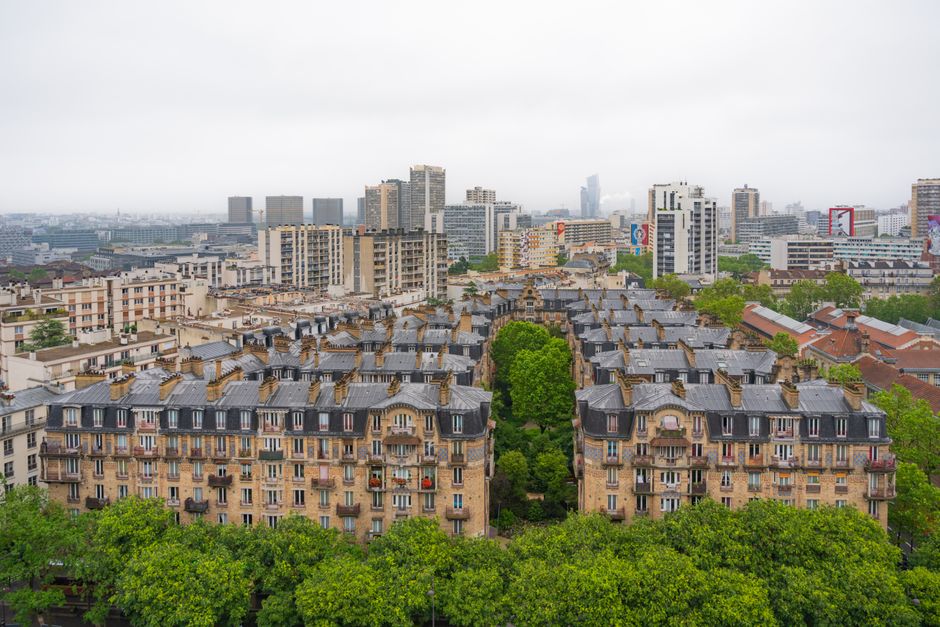
Paris's luxury property market has always moved to the rhythm of prestige and scarcity. But this year, a series of municipal planning decisions—particularly the expanded heritage protection zones announced by the City's Direction de l'Urbanisme in early 2026—has introduced a new variable: regulatory constraint.
The changes are most acute in the 1st, 6th, and 8th arrondissements, where façade restoration requirements, mandatory heritage consultations, and stricter density limits have extended timelines for high-end residential conversions by 18 to 24 months. A planned luxury renovation project on Rue de Rivoli, which once promised delivery in 2027, now targets 2029. Similar delays have rippled through the Marais and around the Île de la Cité.
Market data tells the story. According to recent appraisals, the average price per square metre in arrondissements 1–8 remains anchored around €11,500–€12,800, but transaction velocity has slowed noticeably among developers. At the same time, savvy capital has begun migrating outward. The 11th arrondissement—historically the domain of young professionals—is now seeing ultra-high-net-worth acquisitions as buyers seek regulatory flexibility alongside neighbourhood cachet. République and Oberkampf have shifted from trend to fixture.
The Grand Paris metro expansion, too, is rewriting the calculus. Areas along the emerging RER B extensions in Clamart and Antony are attracting boutique luxury projects that would have seemed impossible five years ago. Developers are finding that a 35-minute commute to the 8th arrondissement, paired with modern amenities and streamlined planning approval, outweighs the prestige penalty of leaving intra muros.
What's remarkable is that the market isn't contracting—it's fragmenting. The ultra-luxury segment (properties above €3 million) remains robust in the protected cores of the 1st and 8th, where heritage status actually reinforces exclusivity. But the €1.5–€2.8 million bracket, once the bread-and-butter of premium developers, is increasingly difficult to justify given planning friction and extended holding periods.
Industry observers suggest the next 18 months will be decisive. If the City maintains its heritage-first approach—and signals suggest it will, given the Élysée's broader cultural legacy agenda—expect further polarisation. The 9th and 10th arrondissements could emerge as the new premium frontier, while outer arrondissements consolidate their position as sophisticated alternatives. In Paris's luxury market, policy is now as powerful as location.
This article was compiled by AI from the sources linked above and screened before publishing. See our editorial standards.
How does this story make you feel?
Spread the word
About this article
Published by The Daily Paris
Daily brief
Free, in your inbox before 7am. Weekdays.
More in Property