First-Time Buyers' Guide: Navigating Paris's Neighbourhood Investment Maze in 2026
With prime arrondissements out of reach for many, savvy newcomers are finding value in up-and-coming areas—but timing and location research remain everything.
With prime arrondissements out of reach for many, savvy newcomers are finding value in up-and-coming areas—but timing and location research remain everything.
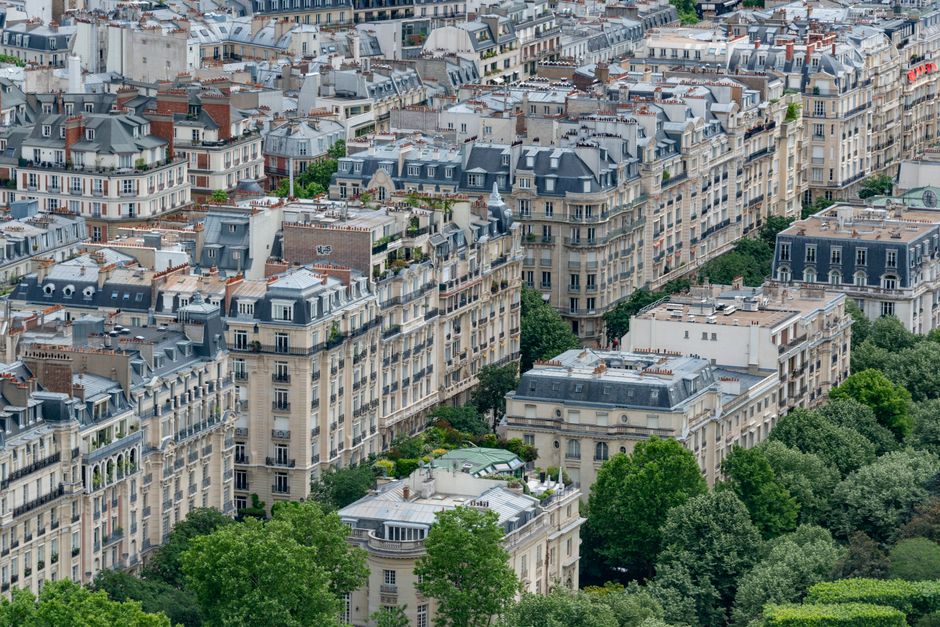
The Paris property market of 2026 presents a paradox for first-time buyers. While central arrondissements command €12,000–€15,000 per square metre, a new generation of investors is turning to strategic outer neighbourhoods where value and potential align. Understanding which areas offer genuine opportunity—rather than hype—has become essential.
The 9th, 10th, and 11th arrondissements remain the traditional stepping stones for newcomers. The 10th, anchored by Canal Saint-Martin and its regenerated quays, continues to attract young professionals seeking walkability and café culture without the 1st arrondissement premium. Expect €10,000–€11,500/sqm for modest studios and one-bedrooms near République. The 11th, spanning from Bastille to Oberkampf, offers slightly more space at comparable prices, with Rue de la Roquette and the increasingly vibrant Rue Jean-Pierre Timbaud corridor drawing investors banking on continued gentrification.
Beyond the périphérique, Grand Paris metro expansion zones merit deeper investigation. Villejuif, with its direct RER B connection and €5,500–€7,000/sqm pricing, appeals to remote-working first-timers willing to trade commute time for equity. Similarly, Arcueil and Cachan along the B line offer character-filled villas and apartments at €6,500/sqm—roughly 40% below central Paris.
The northeast corridor—Pantin, Bobigny, and Montreuil—represents 2026's genuine frontier. Post-Olympic infrastructure improvements have accelerated metro access; Montreuil's Marie Curie district now commands €7,500/sqm, up from €5,800 three years ago. Early movers benefit from price appreciation, though buyers must assess individual street-level momentum rather than blanket neighbourhood trends.
First-time buyers should resist chasing celebrity postcodes. Instead, focus on proximity to RER stations, school catchments, and local anchors—the Promenade Plantée in the 12th, Parc Monceau in the 8th's periphery, or Versailles's emerging tech corridor. Consult local estate agents like those clustered on Boulevard Voltaire in the 11th; they understand micro-location premiums invisible to online portals.
Crucially, secure pre-approval from lenders familiar with Grand Paris geography. Banks increasingly evaluate outer-arrondissement properties by transport accessibility and demographic trajectory, not historical prejudice. A €250,000 budget stretches furthest in inner suburbs with confirmed metro links rather than aspirational neighbourhoods awaiting infrastructure.
The 2026 Paris market rewards disciplined research over emotional attachment. Identify your non-negotiables—commute tolerance, space, walkability—then map that against realistic pricing by neighbourhood. The best first property isn't always the most fashionable address; it's the one positioned for appreciation you can actually afford today.
This article was compiled by AI from the sources linked above and screened before publishing. See our editorial standards.
How does this story make you feel?
Spread the word
About this article
Published by The Daily Paris
Daily brief
Free, in your inbox before 7am. Weekdays.
More in Property


