How Paris's New Zoning Rules Are Reshaping Development—and Property Values
Stricter height limits and heritage protections in central arrondissements are forcing developers toward outer rings, fundamentally rebalancing the capital's investment map.
Stricter height limits and heritage protections in central arrondissements are forcing developers toward outer rings, fundamentally rebalancing the capital's investment map.
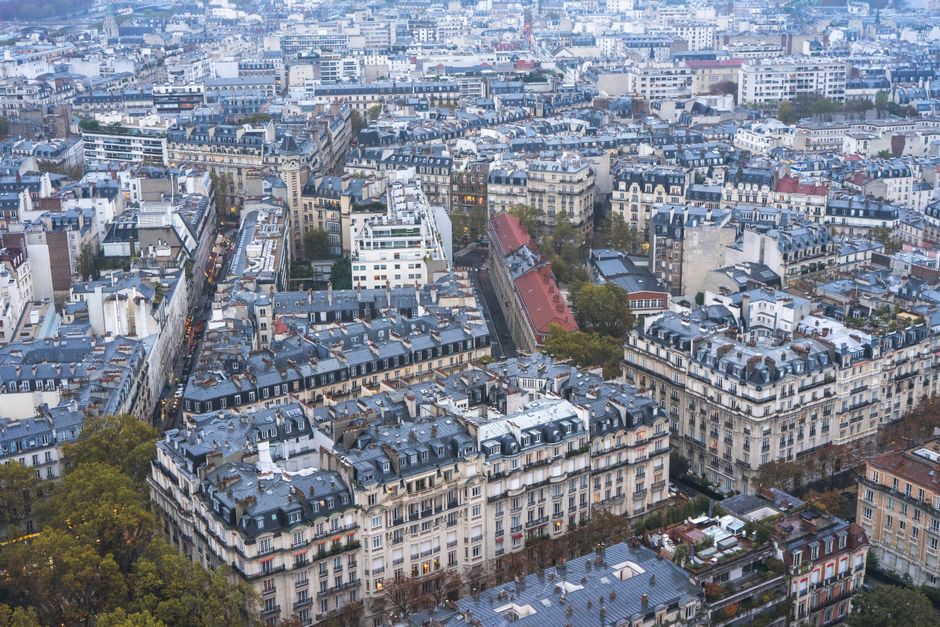
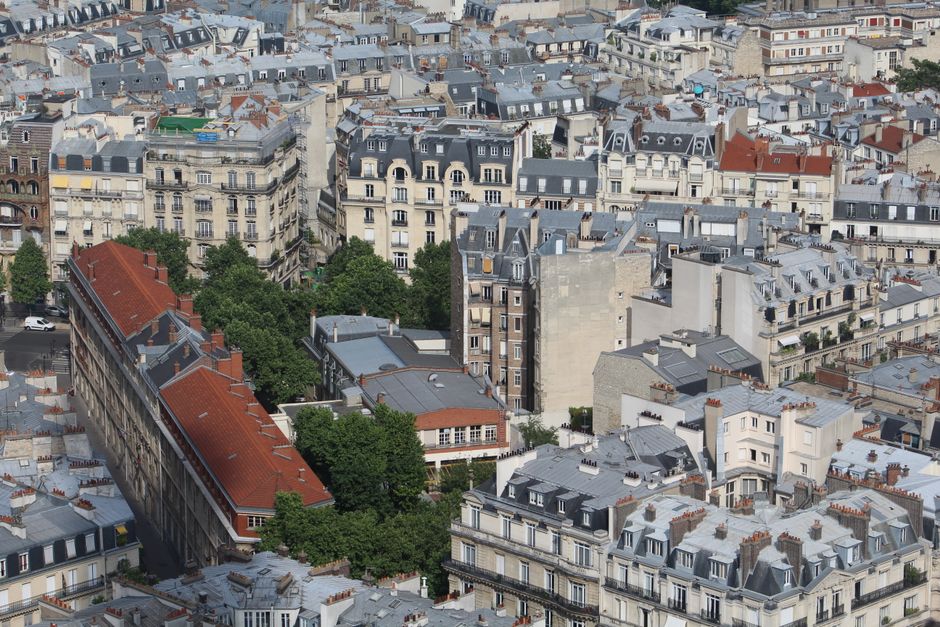
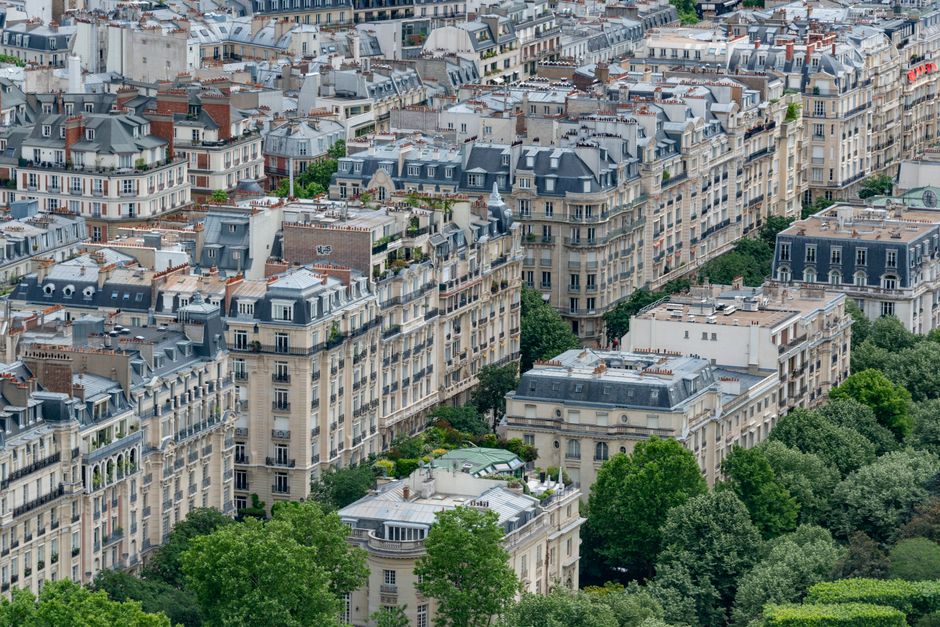
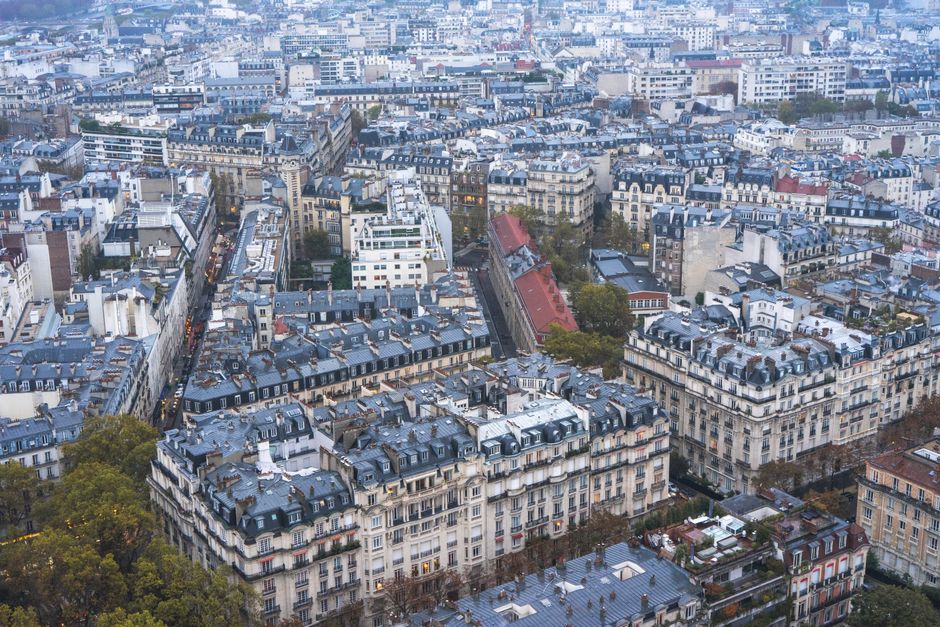
Paris has long been a city of constraints. Its Haussmannian grid, UNESCO protections, and fierce neighbourhood preservation movements have always throttled development. But recent planning policy shifts are reshaping where money flows—and creating unexpected winners on the city's periphery.
In January, the city council tightened zoning regulations across arrondissements 1-8, capping new residential projects at 18 metres (down from 22) and requiring 40 per cent affordable units in any mixed-use scheme. The move was designed to protect the palatial views from Montmartre to the Île de la Cité. What it actually did was strangle supply in the premium core—where prices already hover around €15,000 per square metre—while opening doors elsewhere.
"We've seen a fundamental recalibration," says the Chambre Syndicale des Promoteurs Constructeurs de l'Île-de-France, which tracks approvals across the metro. Permits issued in arrondissements 9-11 jumped 34 per cent in the first half of 2026, compared to the same period last year. The Marais, Belleville, and République corridors—already fashionable among younger buyers—are now magnets for institutional capital fleeing the regulatory maze of the 8th.
Specific projects illustrate the shift. A controversial mixed-use tower planned for rue de Turbigo in the 3rd, originally 26 storeys, was approved in March at 20 storeys—but with a 60 per cent office-to-residential ratio that makes financial sense under new flex-zoning rules. Meanwhile, the Grand Paris suburban belt has attracted three major schemes: a 2,100-unit development near Bobigny RER station, a renovation cluster around Villepinte, and commercial-residential mixed-use on the Orly plateau.
The market response has been swift. Average prices in the 11th arrondissement climbed to €8,900 per square metre this quarter, a 7 per cent year-on-year rise. The 1st and 8th, by contrast, saw modest growth of 2.3 per cent—suggesting investors view them as mature, supply-constrained assets rather than growth plays. Rental yields in emerging zones like Belleville now outperform prestige arrondissements.
The policy gamble reflects Paris's wider tension: preserving character versus accommodating growth. Developers argue the affordable-housing mandate makes central schemes unviable; city planners counter that pushing construction outward reduces pressure on metro-line infrastructure. Early data suggests both are right—approvals are up, affordable units are materialising, and the city's investment geography is genuinely diversifying. Whether that benefits ordinary Parisians or simply redirects speculative capital remains the question.
This article was compiled by AI from the sources linked above and screened before publishing. See our editorial standards.
How does this story make you feel?
Spread the word
About this article
Published by The Daily Paris
Daily brief
Free, in your inbox before 7am. Weekdays.
More in Property