Montreuil's rental renaissance: Why savvy investors are flocking to Paris's hottest suburb
As vacancy rates tighten across the capital, the eastern suburb is offering yields that central arrondissements can't match—and tenants are taking notice.
As vacancy rates tighten across the capital, the eastern suburb is offering yields that central arrondissements can't match—and tenants are taking notice.
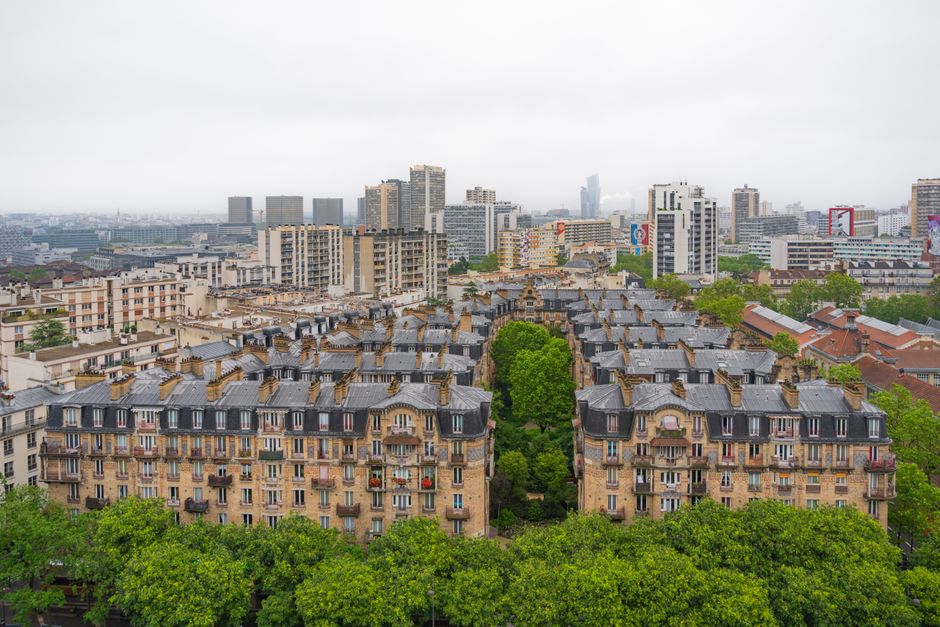
For years, Montreuil was the creative class's secret. Today, it's becoming the rental market's open secret. With Paris's inner arrondissements hovering around the 10,000 EUR per square metre benchmark and vacancy rates at historic lows, institutional investors and individual landlords are increasingly turning their attention to the Île-de-France's most dynamic suburb—where yields remain compelling and tenant demand is surging.
The numbers tell the story. A two-bedroom apartment along the Rue de Paris or near Montreuil's RER E station now commands 1,100–1,300 EUR monthly, while comparable Grande Paris locations fetch 1,500–1,800 EUR. Purchase prices hover around 6,500–7,500 EUR per square metre—a 25–30 per cent discount to arrondissements 11 and 12, yet with rental demand that shows no sign of cooling. For investors seeking sustainable yields in a market where the 1–8 arrondissements have become prohibitively expensive, that arbitrage is irresistible.
What's driving the shift? Proximity. Montreuil sits just 8 kilometres from Nation, connected via direct metro access that cuts commute times to business districts in La Défense and the 8th arrondissement to under 30 minutes. For young professionals and growing families priced out of central Paris—and there are many in today's market—the suburb represents genuine affordability without the sacrifices of distant banlieues.
Infrastructure investment is accelerating the trend. The Grand Paris Express, due to partially open in 2027–2028, will anchor a new station at Fort d'Issy, further improving connectivity. Meanwhile, Montreuil's cultural renewal—galleries clustering along Rue Voltaire, restaurants and independent venues near Église de Montreuil—has created a neighbourhood identity that appeals to longer-term renters, not just transient occupants.
For tenants, the emerging competition is a rare bright spot. Where Paris proper experiences chronic under-supply and rents rising faster than wages, Montreuil's growing stock means landlords are more responsive to maintenance requests and less aggressive on pricing. The Agence Immobilière de Montreuil and independent estate agents report stronger tenant retention and lower turnover costs.
Vacancy rates across the eastern suburbs remain tighter than pre-pandemic levels, but Montreuil's trajectory differs markedly from its peers. Rather than stagnation, it's experiencing selective densification—new build conversions, older apartments being refurbished, young money arriving alongside established communities.
The market has its risks: sensitivity to transport disruption, demographic concentration among younger renters, and exposure to broader Île-de-France cyclicality. But for investors tired of bidding against mega-funds in central Paris, and for tenants seeking breathing room from the capital's relentless squeeze, Montreuil's moment has arrived.
This article was compiled by AI from the sources linked above and screened before publishing. See our editorial standards.
How does this story make you feel?
Spread the word
About this article
Published by The Daily Paris
Daily brief
Free, in your inbox before 7am. Weekdays.
More in Property