Why Paris Social Housing Is Shrinking—And What First-Time Buyers Must Know Now
As affordability crises grip the capital, new regulations and developer incentives are reshaping the social housing landscape—here's what's shifting the market.
As affordability crises grip the capital, new regulations and developer incentives are reshaping the social housing landscape—here's what's shifting the market.
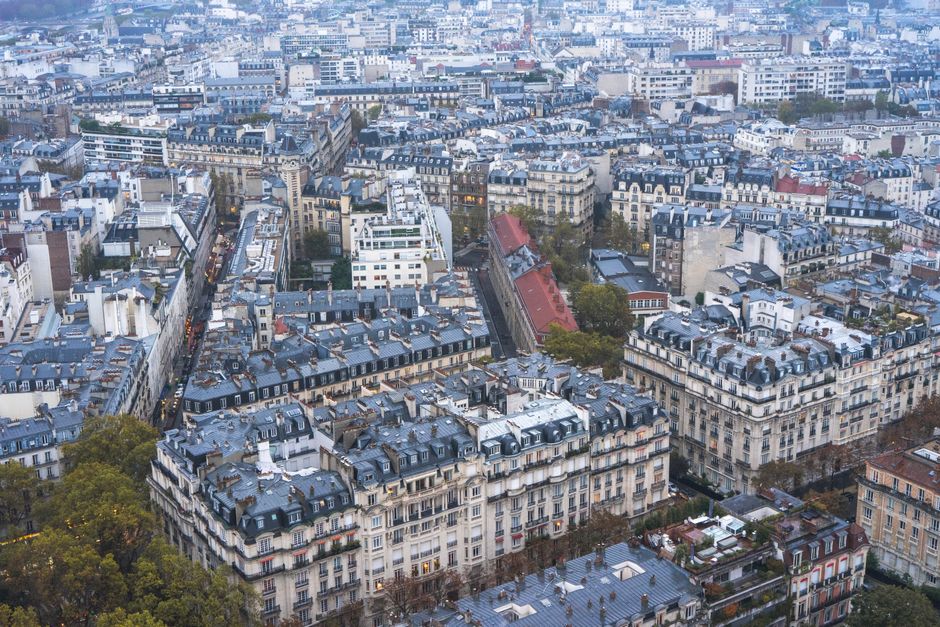
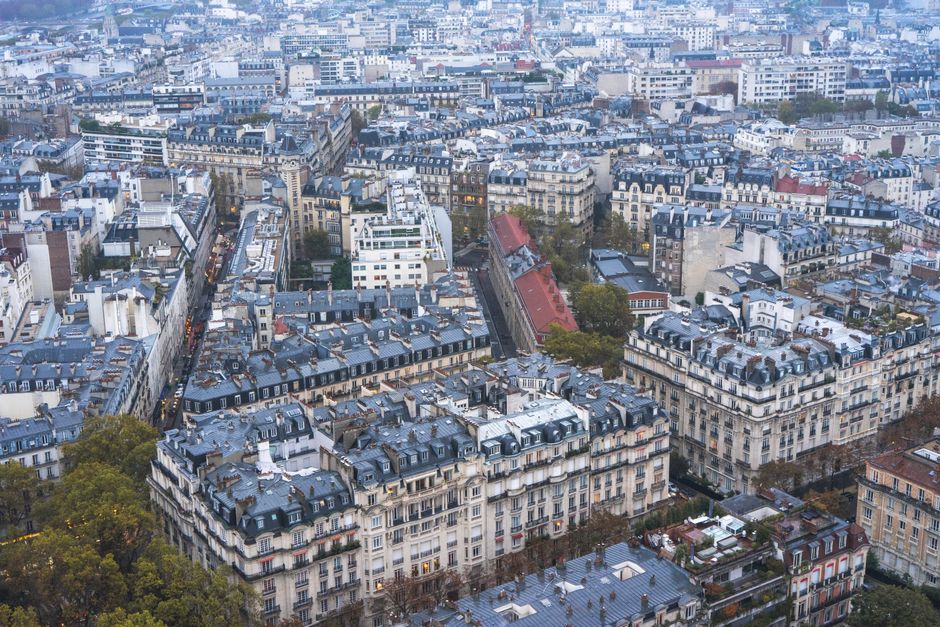
Paris's social housing sector is at a crossroads. With the capital's median property price hovering near €10,000 per square metre, and outer arrondissements like the 13th and 20th increasingly out of reach for ordinary wage-earners, pressure on affordable stock has never been fiercer. Yet paradoxically, the number of new social units hitting the market is contracting, forcing policymakers and developers to rethink how the city houses its working population.
The core issue: developer obligations. Under Paris's current inclusivity rules, new residential projects must allocate 25 per cent of units as social housing. But recent analysis suggests many builders are choosing financial penalties instead, finding it cheaper to pay fines than to construct mixed-income buildings. This is particularly acute in high-demand zones like the 11th arrondissement around Oberkampf and the République district, where land costs make low-rent units economically challenging.
Simultaneously, the Grand Paris expansion—extending metro lines and development zones far beyond the périphérique—is fragmenting the market. Affordable housing is being concentrated in outer rings: Montreuil, Bobigny, and Noisy-le-Grand, while inner arrondissements continue gentrifying. First-time buyers with limited budgets are now competing across vastly wider geographies, with commute times and neighbourhood amenity becoming trade-offs.
What's driving this? Three factors. First, interest rates, which climbed through 2024-25, have squeezed mortgage access for lower-income households. Second, renovation mandates—Paris's 2050 carbon-neutrality targets require older stock upgrades, pushing renovation costs into new builds. Third, speculative pressure: institutional investors have increasingly targeted social housing developments as long-term rental assets, inflating perceived demand and construction timelines.
For buyers, the practical implication is clear: the window for affordability within central Paris is closing. Young families and first-time purchasers should monitor new schemes in the 12th and 14th arrondissements, where mid-market social housing stock is still emerging. Organisations like Paris Habitat and the Agence d'Urbanisme et de Développement Durable de la Région d'Île-de-France continue releasing allocations, but eligibility thresholds are tightening and waiting lists are lengthening.
The outlook? By 2027, expect further policy shifts: City Hall is exploring density bonuses to incentivise developers, and new subsidy mechanisms for below-market purchases. Those serious about entering the Paris market—particularly families earning €35,000–€55,000 annually—should engage with their arrondissement's housing office now. Waiting, historically a viable strategy in slower markets, is no longer an option.
This article was compiled by AI from the sources linked above and screened before publishing. See our editorial standards.
How does this story make you feel?
Spread the word
About this article
Published by The Daily Paris
Daily brief
Free, in your inbox before 7am. Weekdays.
More in Property