Paris's New Development Pipeline Is Reshaping Where Tenants Can Actually Find Space
Major residential projects across the 13th, 15th and outer arrondissements promise to ease rental scarcity, but timing and affordability gaps remain.
Major residential projects across the 13th, 15th and outer arrondissements promise to ease rental scarcity, but timing and affordability gaps remain.
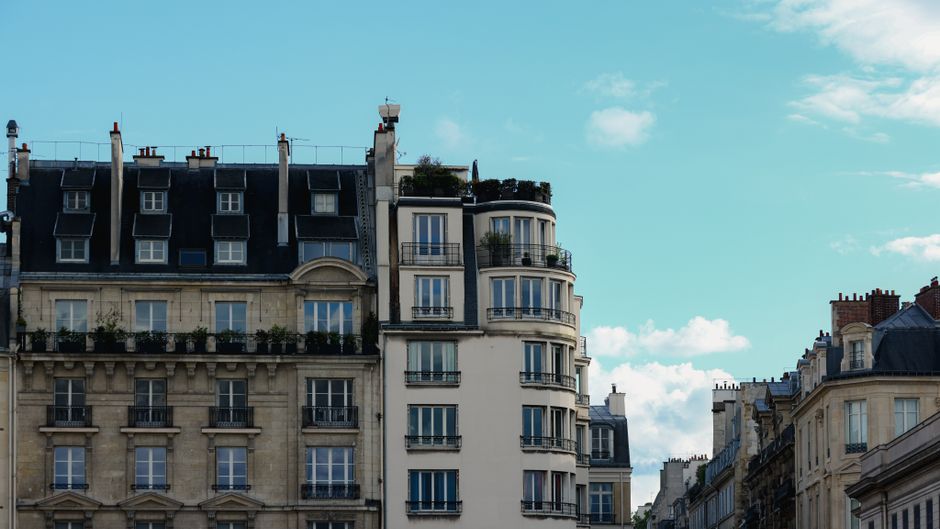
Paris's rental market has tightened dramatically over the past 18 months, with vacancy rates hovering below 3% in central arrondissements and tenant competition reaching levels not seen since the early 2000s. But a wave of new residential development—particularly outside the historic core—is beginning to shift the supply equation in ways landlords and tenants alike need to understand.
The most significant pipeline activity clusters in three zones. Along the Seine's left bank in the 13th arrondissement, the Clichy-Batignolles development and several mid-rise conversions near Bibliothèque Nationale de France are expected to release approximately 1,200 rental units between late 2026 and 2028. Simultaneously, the 15th arrondissement—Paris's largest by population—continues its quiet densification along rue de la Convention and around Beaugrenelle, with mixed-use projects adding roughly 800 units annually.
More dramatically, the outer metro zones—Villejuif, Ivry-sur-Seine, and Montreuil—are experiencing the sharpest development acceleration. The Île-de-France regional council estimates these areas will absorb over 3,500 new rental units within the Grand Paris framework by 2027. This decentralisation matters: where central Paris averages €18–22 per square metre monthly for a one-bedroom, the periphery runs €11–14, attracting younger renters and families priced out of arrondissements 6, 7 and 8.
For current tenants, these projects create modest breathing room. Paris's overall vacancy rate—stubbornly below 2% in 2024–25—should inch toward 3–4% by 2028 if completions stay on schedule. That's still low by European standards, but enough to reduce the knife-edge competition that has characterised recent lettings. Landlords are beginning to offer longer lease terms and negotiable entry fees to compete.
The caveat: new units cluster at the upper end of middle-market pricing. Typical rents in fresh developments start around €1,100–1,400 for a 45-square-metre studio, positioning them beyond the reach of many young professionals and service workers. The social housing components mandated by Paris's planning regulations—usually 25–30% of new schemes—help, but waiting lists for these units extend 18 months or longer.
Prospective tenants should monitor specific projects: the Berges de Seine redevelopment in the 7th, Clichy-Batignolles completion schedules, and Metro Line 15 extension zones, where station proximity typically unlocks rental supply six to twelve months after opening. Agents report that early-mover tenants securing leases in emerging neighbourhoods like Ivry now negotiate markedly better terms than those competing in saturated arrondissements 5 and 6.
The market reset won't be dramatic, but it will be real.
This article was compiled by AI from the sources linked above and screened before publishing. See our editorial standards.
How does this story make you feel?
Spread the word
About this article
Published by The Daily Paris
Daily brief
Free, in your inbox before 7am. Weekdays.
More in Property