Paris rental yields: What shrinking vacancies mean for investor returns in 2026
As vacancy rates tighten across the capital, property investors are seeing compression in yields—but the story varies dramatically by arrondissement.
As vacancy rates tighten across the capital, property investors are seeing compression in yields—but the story varies dramatically by arrondissement.
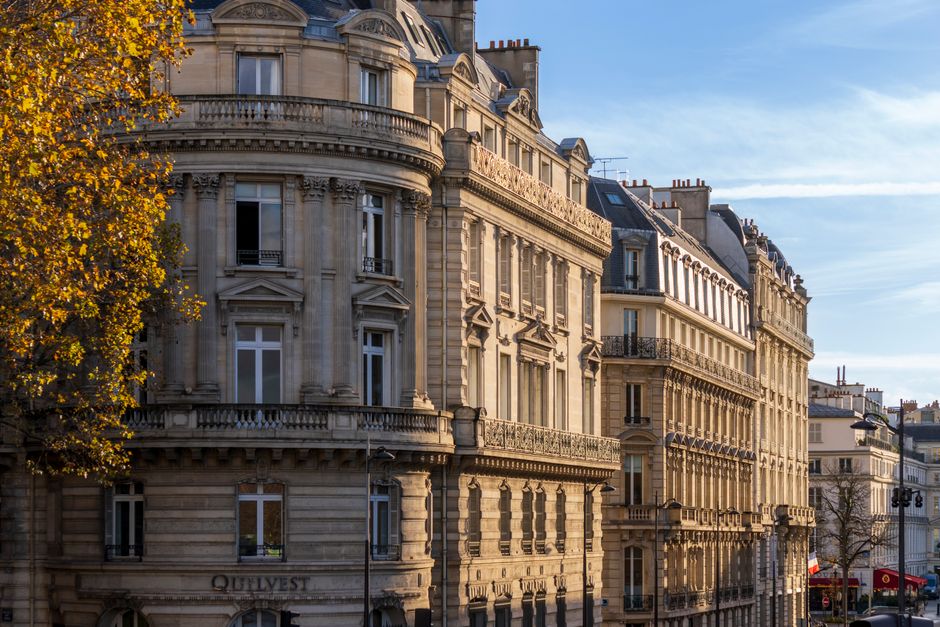
Paris's rental market is sending mixed signals to investors. While headline vacancy rates have fallen to 3.2% citywide—the lowest in five years—actual returns depend heavily on location, timing, and realistic expectations about tenant demand.
The contraction is most pronounced in the prestige core. Arrondissements 1 through 8, already commanding €12,000–€15,000 per square metre, now see gross yields (annual rent divided by purchase price) hovering around 2.8–3.2%. A two-bedroom apartment near the Louvre or on Rue Saint-Honoré generates rental income that barely outpaces inflation. For investors, the math is straightforward: capital appreciation drives returns, not monthly cash flow.
The real opportunity lies in the "rising" belt. Arrondissements 9–11, particularly around Pigalle, Canal Saint-Martin, and République, are where yields still justify the investment thesis. Properties here trade at €8,500–€10,500 per square metre, with gross yields between 4.5–5.5%. A €400,000 studio in the 11th arrondissement can generate €20,000 annually in rent—meaningful, if modest, against purchase price. Vacancy here sits at 2.1%, suggesting strong tenant demand and low landlord risk.
The Grand Paris suburban expansion tells another story. In communes like Boulogne-Billancourt and Neuilly, vacancy creeps toward 4.8%, while yields climb to 4.8–5.8%. Transit-adjacent properties near RER stations are performing better than car-dependent areas, reflecting Paris's mobility priorities.
What the data reveals is a structural shift. High-demand neighbourhoods—those with cultural amenities, transport links, and restaurant clusters—are tightening further, squeezing yields for buy-to-let investors. Softer pockets near periphery metro extensions offer higher returns but require patience during occasional tenant turnover.
For prospective landlords, the message is clear: avoid chasing prestige. A €600,000 apartment in the 8th arrondissement might rent for €1,650 monthly. A €500,000 property in the 10th could command €2,200. The latter delivers 5.3% gross yield; the former, 3.3%. After maintenance, insurance, and taxes, that 2% difference separates marginal returns from meaningful cash flow.
The rental guide is simple: yields compress where prices climb fastest. Smart money recognises this, targeting secondary neighbourhoods with improving transport and rising residential appeal rather than betting on saturation in Paris's golden squares.
This article was compiled by AI from the sources linked above and screened before publishing. See our editorial standards.
How does this story make you feel?
Spread the word
About this article
Published by The Daily Paris
Daily brief
Free, in your inbox before 7am. Weekdays.
More in Property