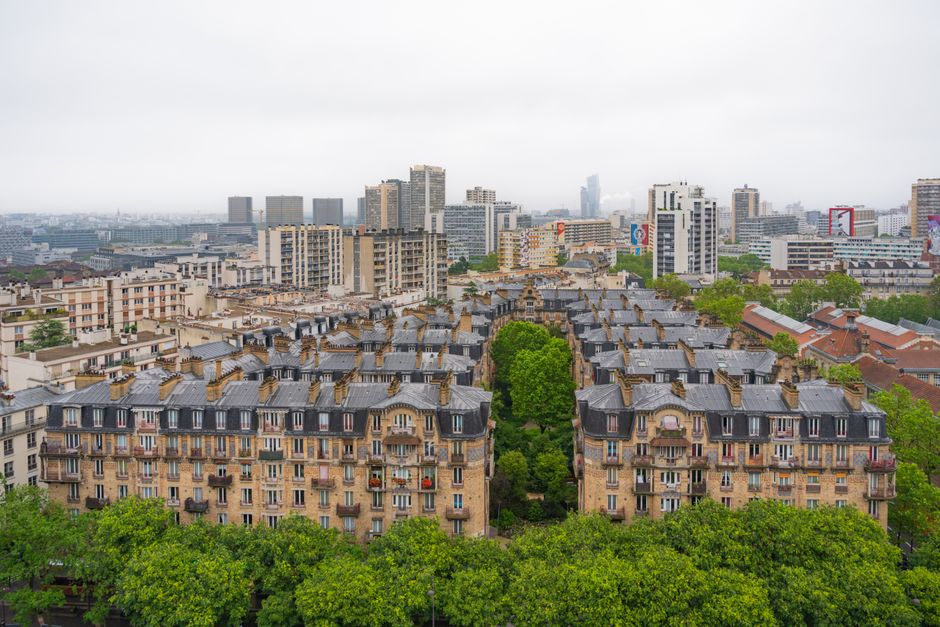
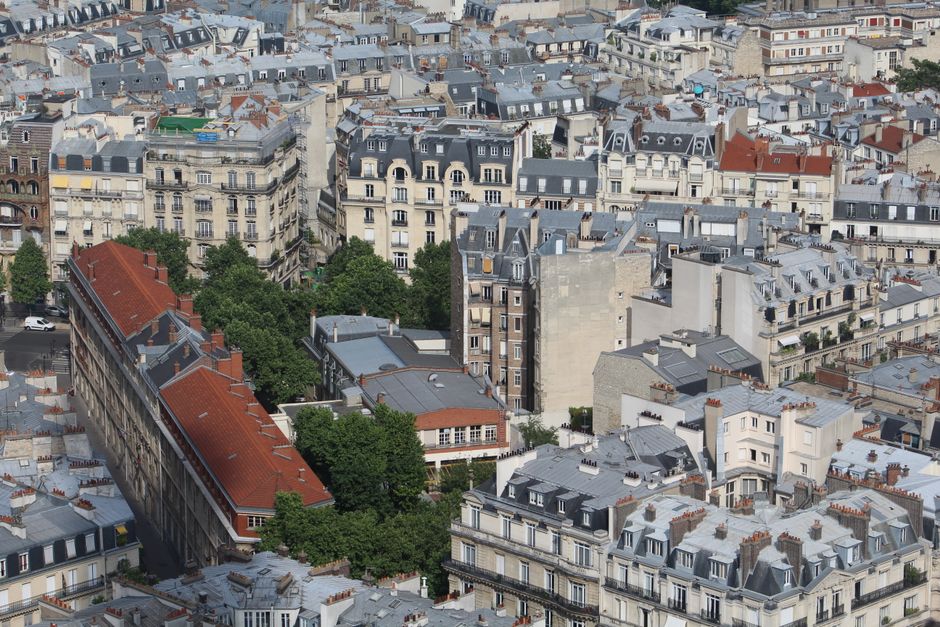
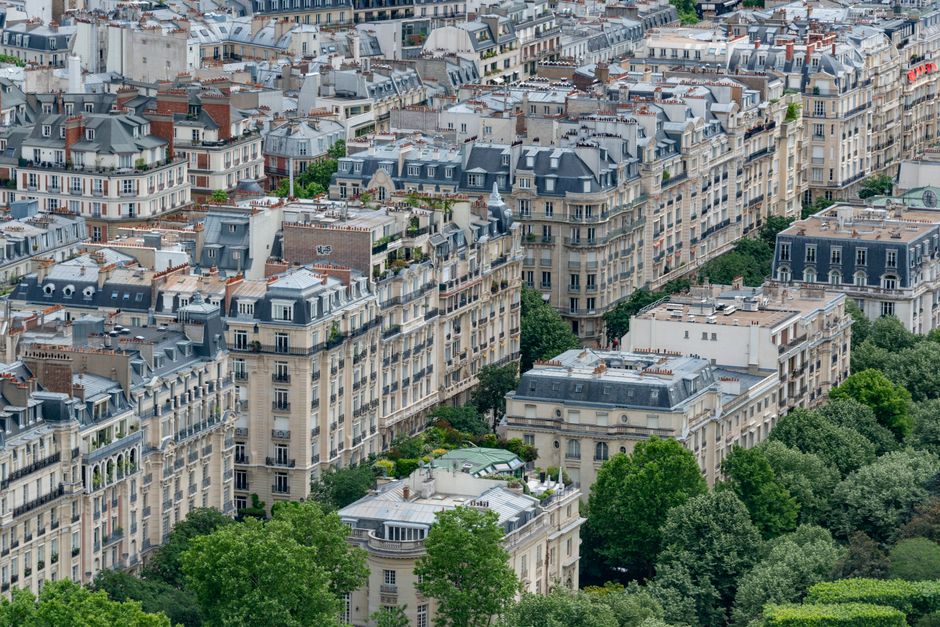
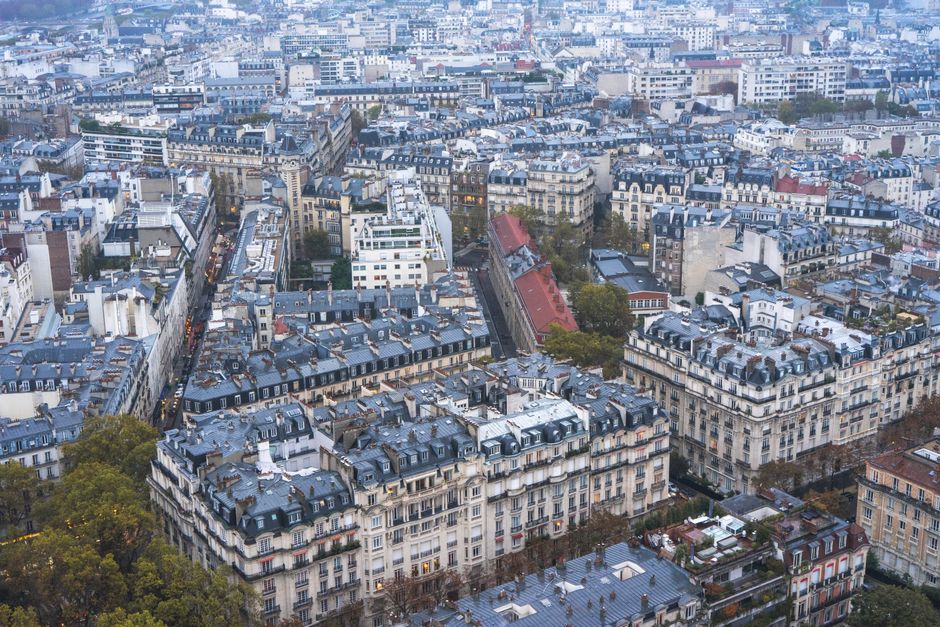
Paris's luxury property market, long anchored by the elegant uniformity of Haussmann facades and the prestige of arrondissements 1 through 8, is experiencing a decisive realignment following a series of planning policy changes rolled out between 2024 and 2026. The impact has been immediate: ultra-high-end transactions in protected zones have slowed, while pockets of relative regulatory flexibility are seeing unexpected demand surges.
The catalyst arrived last autumn when the City of Paris tightened heritage conservation rules across the Marais and expanded the designated zones around Place des Vosges—historically the crown jewel of prestige residential property. Properties here now command upwards of €18,000 per square metre, but developers face mandatory façade restoration costs, floor-by-floor acoustics upgrades, and stricter limitations on internal floor-plate modifications. A 280-square-metre apartment on Rue de Turenne that might have commanded €5.6 million three years ago now requires €800,000 in remedial compliance work before occupancy.
Meanwhile, adjacent arrondissement 4 neighbourhoods—particularly around Île Saint-Louis and the quieter sections of Rue de la Paix—have seen renewed investor appetite. Properties here hover between €12,000 and €14,000 per square metre, offering prestige proximity without the regulatory burden.
The Grand Paris metropolitan expansion strategy has also subtly reshuffled the ultra-luxury equation. Stringent density restrictions in inner arrondissements are nudging trophy developments toward outer communes with relaxed zoning. Neuilly-sur-Seine, historically a secondary choice to central arrondissements, has experienced a 12-month surge in €3m+ transactions, particularly around Île de la Jatte and Avenue de Madrid.
Planning officials at the Mairie de Paris have justified the tightened controls as necessary heritage preservation in a city where 1,200 buildings predating 1789 remain residential. Yet the unintended consequence mirrors broader property market dynamics: policy friction creates opportunity elsewhere. Savvy investors who previously focused exclusively on Saint-Germain-des-Prés are now diversifying across the 9th and 11th arrondissements, where trendy regeneration meets lighter regulatory overhead.
Industry insiders suggest the market has entered a three-tier structure: core prestige (Marais, 1-8) facing compliance headwinds; transition zones (4, 5, 12) capturing displaced demand; and outer Grand Paris benefiting from density-driven scarcity. For overseas buyers seeking Paris's most coveted addresses, the equation is increasingly straightforward: prestige still commands premiums, but patience and adaptability now determine who captures genuine value.
This article was compiled by AI from the sources linked above and screened before publishing. See our editorial standards.