What Paris property prices and auction results are signalling about tomorrow's developments
As construction approvals surge across the Grand Paris, the market is sending mixed messages—and developers are listening closely.
As construction approvals surge across the Grand Paris, the market is sending mixed messages—and developers are listening closely.
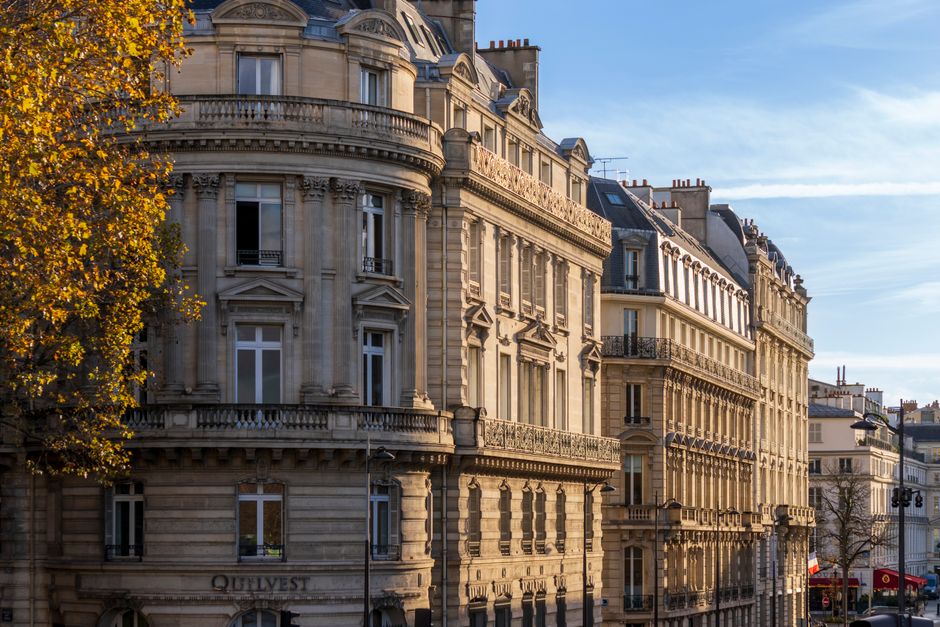
Construction permits across the Île-de-France reached a five-year high in Q2 2026, yet auction clearance rates tell a strikingly different story. In central Paris, where average prices hover near €10,000 per square metre, newly approved residential projects are facing investor caution that hasn't been seen since the 2021 market correction.
The signal is unmistakable: location hierarchy matters more than ever. In arrondissements 1–8, where luxury development continues largely unchallenged, auction data shows strong uptake. A recent off-market transaction in the 8th near Avenue Montaigne cleared at nearly 3% above reserve, a sign that ultra-prime positioning remains insulated. But elsewhere, the picture is more complex.
In the trendier 9th, 10th and 11th arrondissements—where developer activity has surged—preliminary auction results for new-build apartments show clearance rates below 68%, down from 82% twelve months ago. A 45-unit mixed-use development approved last month near République Metro attracted solid bidding, yet final prices settled 4–6% below pre-auction estimates. Agents cite rising construction costs and tightening borrowing conditions as headwinds, but the data suggests something subtler: market saturation in mid-market segments.
The real signal, however, comes from the Grand Paris periphery. New approvals in Boulogne-Billancourt, Neuilly and the southern corridor (Arcueil, Cachan) have accelerated, with over 2,400 units now in the pipeline. Yet auction results there show the sharpest divergence: projects with superior metro connectivity or proximity to emerging employment hubs are performing well, while those relying on proximity alone are struggling. A 62-unit scheme in Boulogne that emphasised green credentials and co-working space cleared at 91%; a comparable development 800 metres further out managed only 73%.
For developers reading the room, the message is crystalline. Generic mid-range supply, however well-located by historical standards, is no longer sufficient. Planners approving new schemes must now reckon with a market that rewards specificity: projects must offer either trophy location (central arrondissements), distinctive amenity (co-living, wellness, workspace integration), or exceptional connectivity to justify construction in an environment where financing and labour costs are rising sharply.
The auction data from H1 2026 suggests that Paris's development pipeline will increasingly bifurcate—premium stock in the core, highly differentiated product on the periphery, and a tightening middle where generic supply will compete harder than it has in years.
This article was compiled by AI from the sources linked above and screened before publishing. See our editorial standards.
How does this story make you feel?
Spread the word
About this article
Published by The Daily Paris
Daily brief
Free, in your inbox before 7am. Weekdays.
More in Property