The Yield Blueprint: Where Paris Investors Are Actually Making Money
As central arrondissements stall, smart capital is chasing rental returns in the 11th, 13th and outer métro zones—here's what the numbers reveal.
As central arrondissements stall, smart capital is chasing rental returns in the 11th, 13th and outer métro zones—here's what the numbers reveal.
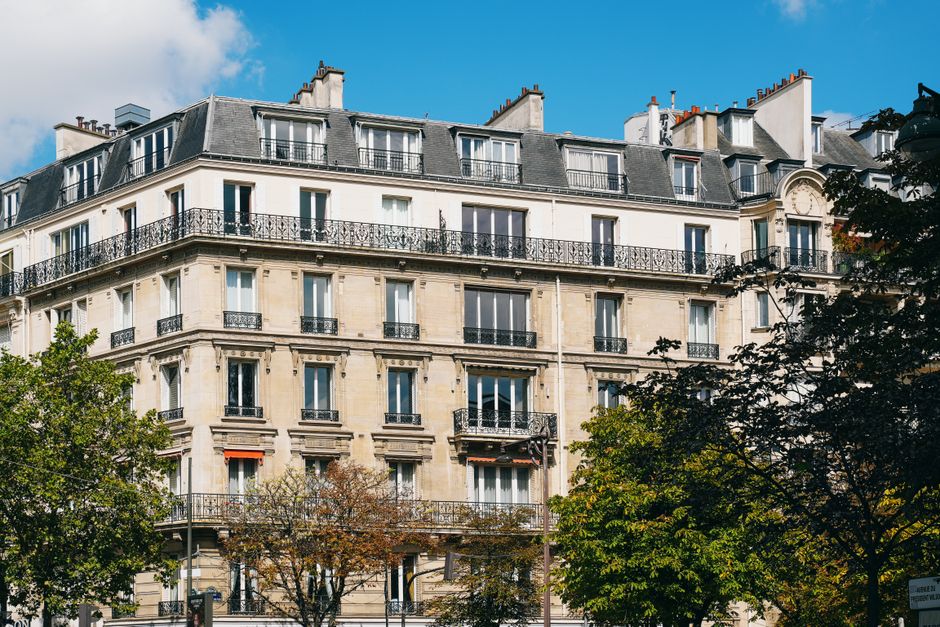
The Paris property market's centre of gravity is shifting. While prestige addresses in the 1st and 8th arrondissements command €15,000–€18,000 per square metre with tenant yields hovering below 2%, savvy investors are repositioning toward neighbourhoods where rental economics actually stack up.
Data from recent transactions tells a compelling story. In the 11th arrondissement—particularly around République and along rue Oberkampf—yields have climbed to 3.2–3.8% gross, with apartment prices stabilising around €9,500/sqm after years of rapid appreciation. A one-bedroom near the Marais edge renting for €850–€950 monthly now represents genuine cashflow, not just speculative upside. The same unit in the 4th arrondissement would rent for 15–20% more but cost proportionally far steeper.
The 13th arrondissement is proving even more attractive. The ongoing Masséna district regeneration—anchored by the Bibliothèque François-Mitterrand and framed by the Seine—has attracted institutional investors and young professionals in equal measure. Studios and one-beds here yield 3.5–4.1%, with prices holding steady at €8,800–€9,200/sqm. Monthly rents of €750–€900 reflect genuine demand, not synthetic scarcity.
Beyond the périphérique, the story intensifies. Suburbs along the RER B and Line 14 corridors—Châtillon, Montrouge, Bagnolet—now command €6,500–€7,500/sqm with yields regularly exceeding 4.5%. A two-bedroom apartment renting for €1,200–€1,400 monthly costs only €450,000–€550,000 to acquire. For yield-focused investors, the mathematics are undeniable.
What's driving this reshuffling? Rising regulatory costs (new energy efficiency mandates, short-term rental restrictions), stagnant rents in prestige zones, and institutional money recognising that 2–2.5% returns barely beat inflation. Simultaneously, expanding métro infrastructure and the Grand Paris Express project are validating outer zones as genuine residential hubs rather than commuter dormitories.
The cautionary note: outer neighbourhoods remain price-discovery markets. Vacancy can spike if local anchors shift—a office tower emptying or university programme contracting. Central arrondissements carry built-in tenant resilience. Yields alone don't guarantee success; neighbourhood stability, transport connectivity and demographic trends matter equally.
For investors seeking real returns in 2026, the old axiom—buy central, let others speculate—no longer holds. The arithmetic now favours patient capital willing to chase 3.5–4.5% yields in the 11th, 13th and select suburban corridors. That's where the market is pricing opportunity.
This article was compiled by AI from the sources linked above and screened before publishing. See our editorial standards.
How does this story make you feel?
Spread the word
About this article
Published by The Daily Paris
Daily brief
Free, in your inbox before 7am. Weekdays.
More in Property