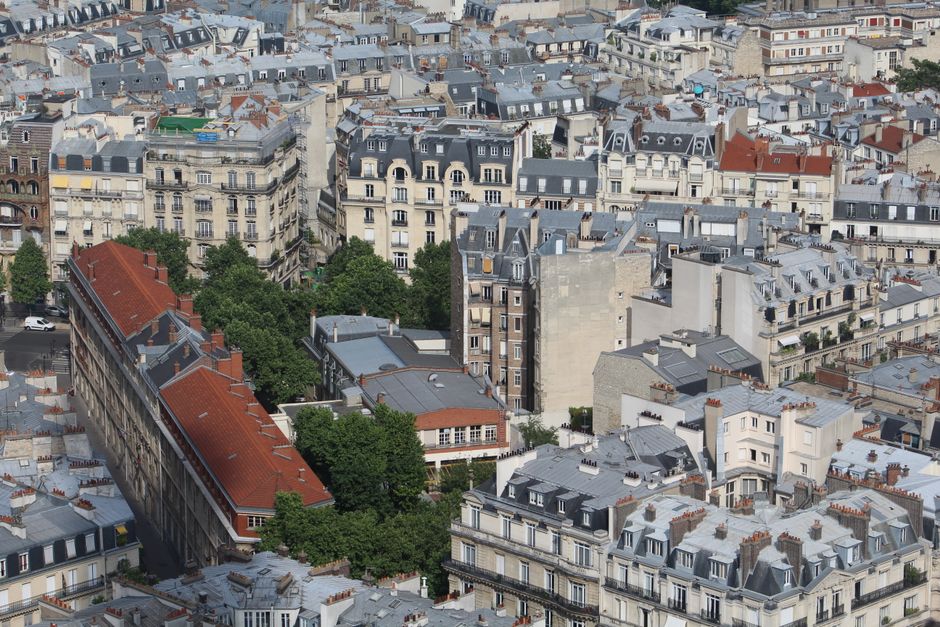
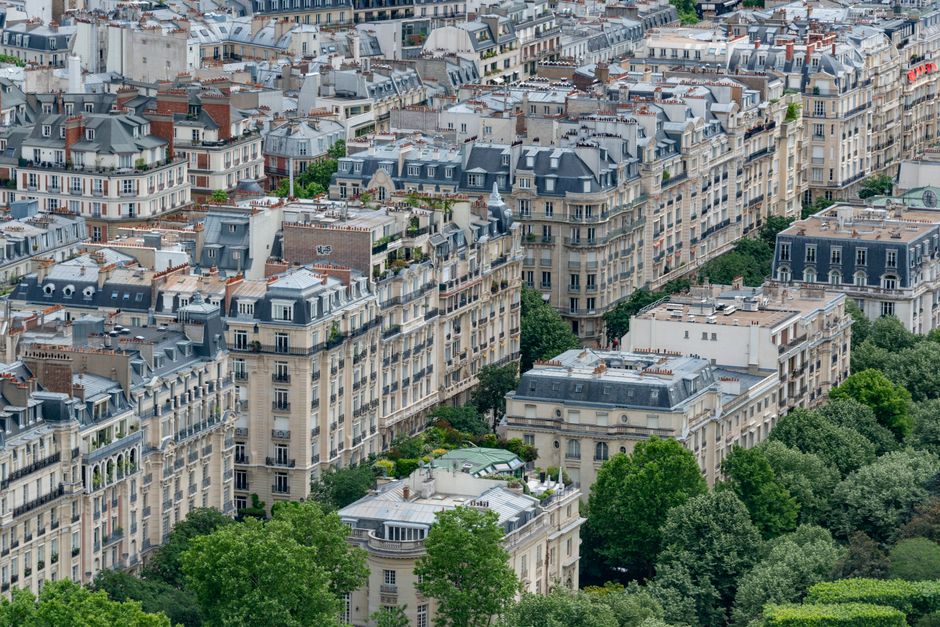
Montreuil's moment: how Paris's red-brick suburb became the investor's next frontier
As central arrondissements breach €12,000 per square metre, buyers are racing to snap up character apartments along rue de Paris before the wave crests.
As central arrondissements breach €12,000 per square metre, buyers are racing to snap up character apartments along rue de Paris before the wave crests.
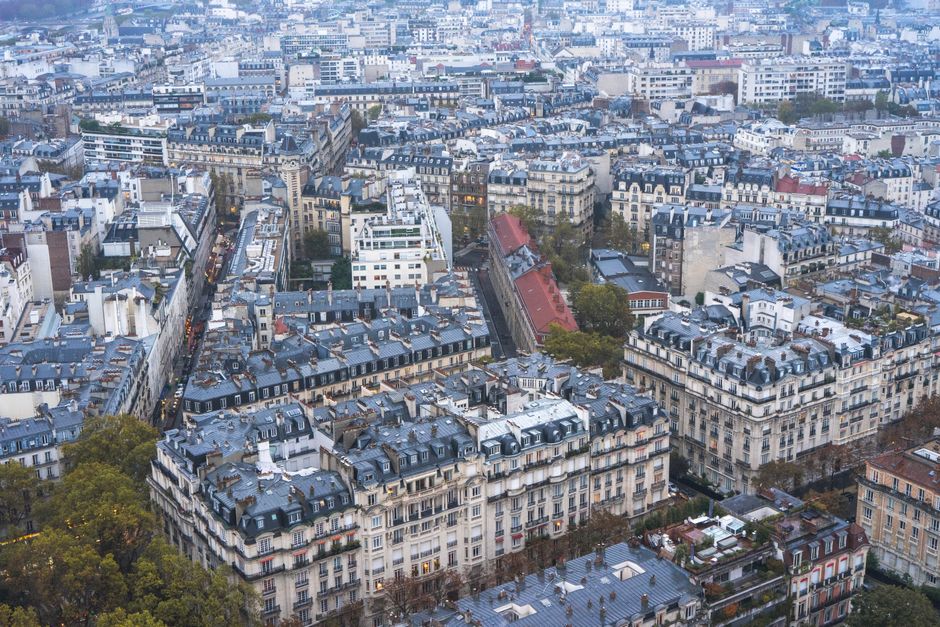
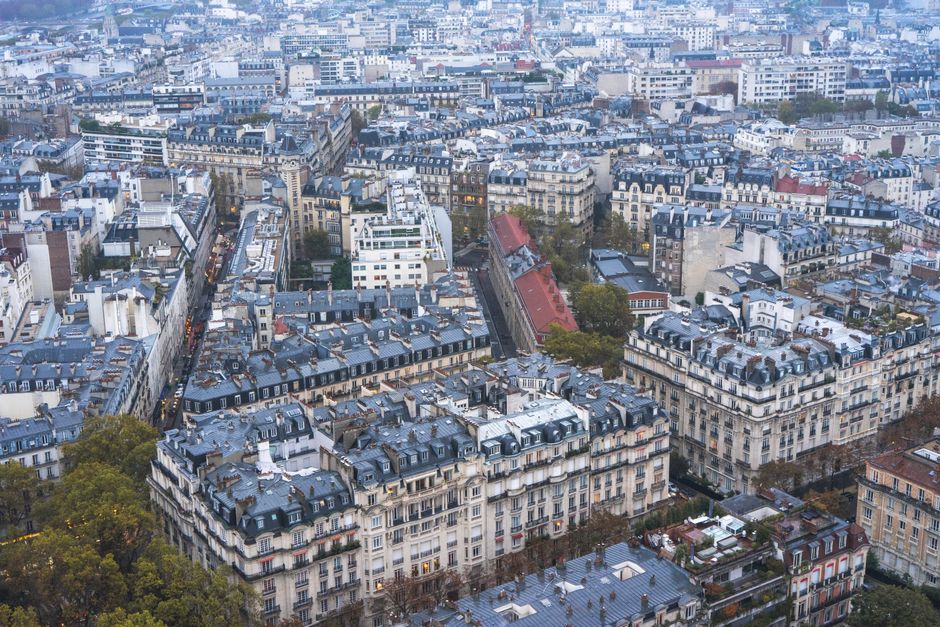
For decades, Montreuil was the neighbourhood Parisians mentioned in passing—a gritty, creative enclave across the Périphérique where artists rented lofts and Sunday mornings belonged to the Marché Bastille's eastern spillover. Today, it's becoming something else entirely: a legitimate investment hotspot where savvy buyers are securing properties at €7,500–€8,500 per square metre, roughly 20 per cent below the Paris average, yet with unmistakable upward momentum.
The shift is visible on the ground. The stretch around rue de Paris—Montreuil's main artery—has transformed dramatically. Galleries, craft breweries, and independent restaurants now cluster where vacant storefronts once gathered dust. The Musée de la Céramique, a hidden cultural anchor, sits just blocks away. The Montreuil market itself, operating since 1960, has reinvented itself with organic producers and vintage fashion vendors, drawing crowds from the 11th arrondissement increasingly priced out of their own homes.
What's driving the momentum? Infrastructure. The Line 9 metro extension, completed in 2022 and now servicing Montreuil directly, has halved commute times to central Paris. Simultaneously, the Grand Paris metro network expansion continues to focus on outer-ring connectivity, making suburbs like Montreuil—historically 12 minutes from Nation, now 8—suddenly accessible to professionals who once viewed the journey as prohibitive.
Local estate agents report a 12 per cent year-on-year price appreciation over the past three years. A two-bedroom Haussmann-style apartment on rue de Rosny sold for €485,000 in early 2024; comparable units now fetch €540,000. Studio apartments, historically difficult to move, are clearing within weeks.
The demographic shift is equally telling. Young families, remote workers, and first-time buyers increasingly dominate purchase profiles—not the investor-to-investor flipping that characterises speculation in arrondissements 1-8. Schools like École Élémentaire Jules Ferry have expanded; childcare facilities have followed. The neighbourhood is consolidating, not chasing a quick flip.
Yet Montreuil remains undeniably bohemian. Street art still dominates eastern walls. The Collectif 13 cultural space remains a counterweight to gentrification's sterility. Whether this equilibrium holds depends on what happens next: if prices approach €10,000 per square metre, the neighbourhood risks losing what made it attractive in the first place.
For investors with longer horizons, however, Montreuil represents the rare sweet spot—authentic character, genuine infrastructure investment, and affordability still measured in five figures rather than six. The question isn't whether it's emerging; it's whether you've already missed the window.
This article was compiled by AI from the sources linked above and screened before publishing. See our editorial standards.
How does this story make you feel?
Spread the word
About this article
Published by The Daily Paris
Daily brief
Free, in your inbox before 7am. Weekdays.
More in Property