Why Paris Property Prices Keep Climbing—And What Smart Buyers Must Do Now
Supply bottlenecks, Olympic legacy demand, and shifting suburban appeal are reshaping the capital's market faster than regulations can keep pace.
Supply bottlenecks, Olympic legacy demand, and shifting suburban appeal are reshaping the capital's market faster than regulations can keep pace.
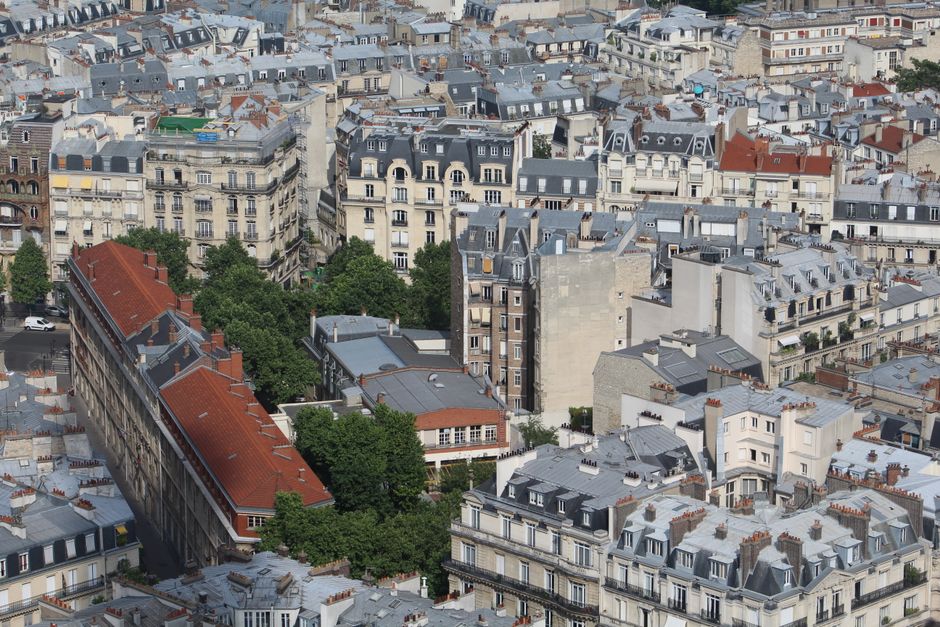
Paris's property market has entered a new phase. After years of relative stability hovering around €10,000 per square metre, the city is now experiencing localised price surges driven by factors buyers and investors need to understand before committing capital in 2026.
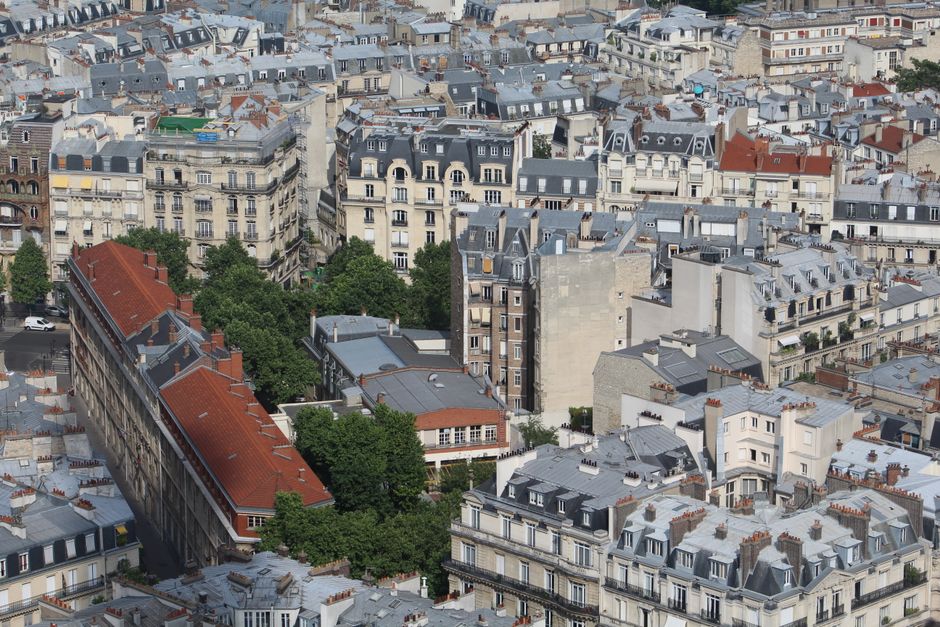
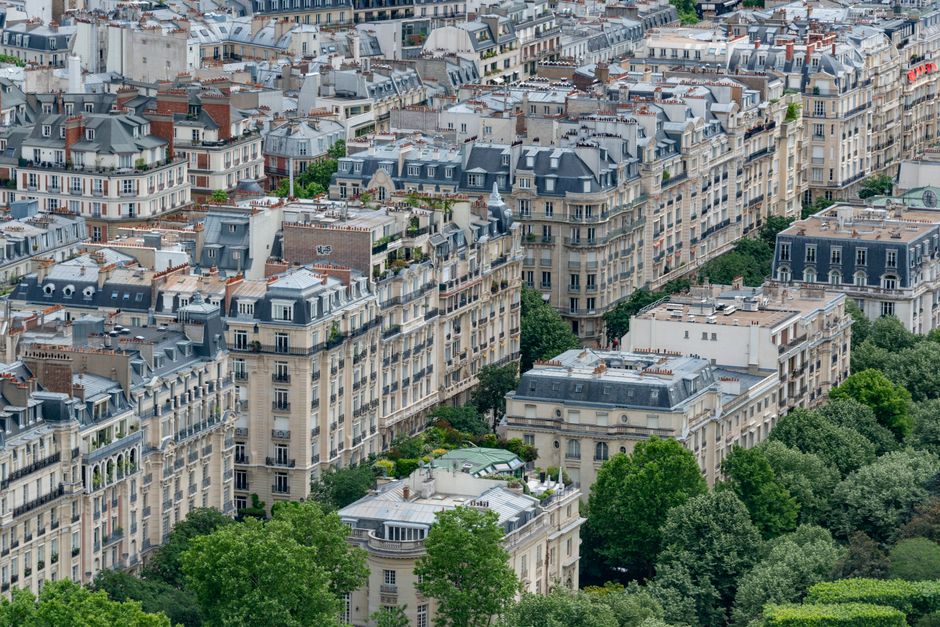
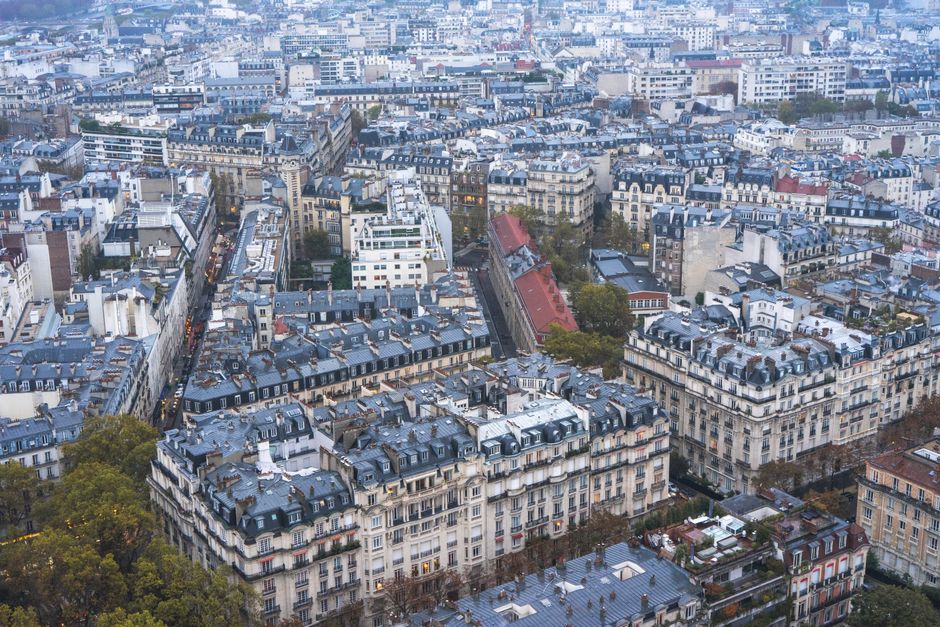
The first driver is scarcity by design. Paris's protected architectural heritage and strict building codes mean new supply is almost nonexistent in central arrondissements. The 1st through 8th remain dominated by 19th-century Haussmann buildings, which command premium prices—often €15,000–€18,000 per sqm—precisely because expansion is impossible. Meanwhile, renovation projects in these zones face Byzantine permitting processes, further constraining inventory.
The second factor is Olympic momentum. Though the 2024 Games have passed, their infrastructure legacy continues reshaping buyer behaviour. The new RER E extension to Bercy and improved metro links have made previously peripheral zones suddenly accessible. The 11th and 12th arrondissements, once considered edgy, now attract young families priced out of the Marais. Properties near République and Oberkampf are appreciating at 6–8% annually, according to recent transaction data.
But the biggest shift is Grand Paris sprawl. Developers and remote workers are abandoning the city proper for Saint-Denis, Levallois-Perret, and Bois-Colombes, where a two-bedroom apartment costs €450,000–€550,000 instead of €750,000+ in the 10th. This isn't flight—it's arbitrage. The SNCF's investment in commuter rail has made 45-minute commutes viable for white-collar workers.
What does this mean for buyers? Several realities have crystallized.
First, the sweet-spot neighbourhoods—the 9th, 10th, and 11th—are now expensive. Expect €12,000–€14,000 per sqm for a typical apartment. Second, premium zones remain out of reach for most. A one-bedroom on the Champs-Élysées or overlooking the Tuileries will cost €20,000+ per sqm. Third, suburban properties near major RER nodes are becoming primary residences, not fallbacks.
Regulatory environment matters too. Recent schemes like 'Home for a Home' initiatives have focused on vulnerable families, but they've also tightened regulations on investor purchases in certain zones, limiting speculative activity—good news for owner-occupiers, less so for portfolio builders.
The key insight: Paris property is no longer a monolithic market. Success requires neighbourhood specificity, commute tolerance, and realistic timelines. Buyers chasing heritage charm in the 1st–8th must accept premium pricing. Those seeking value should consider the reinvigorated outer arrondissements and immediate suburbs, where infrastructure improvements are delivering genuine accessibility gains.
The market isn't broken. It's simply more efficient, more expensive, and more geographically dispersed than it was three years ago.
This article was compiled by AI from the sources linked above and screened before publishing. See our editorial standards.
How does this story make you feel?
Spread the word
About this article
Published by The Daily Paris
Daily brief
Free, in your inbox before 7am. Weekdays.
More in Property