Paris Luxury Market Decoded: What's Really Pushing Prices Up—and What Smart Buyers Must Know Now
As prime arrondissements breach €15,000 per square metre, understanding the forces reshaping Paris's ultra-premium sector has never been more critical.
As prime arrondissements breach €15,000 per square metre, understanding the forces reshaping Paris's ultra-premium sector has never been more critical.
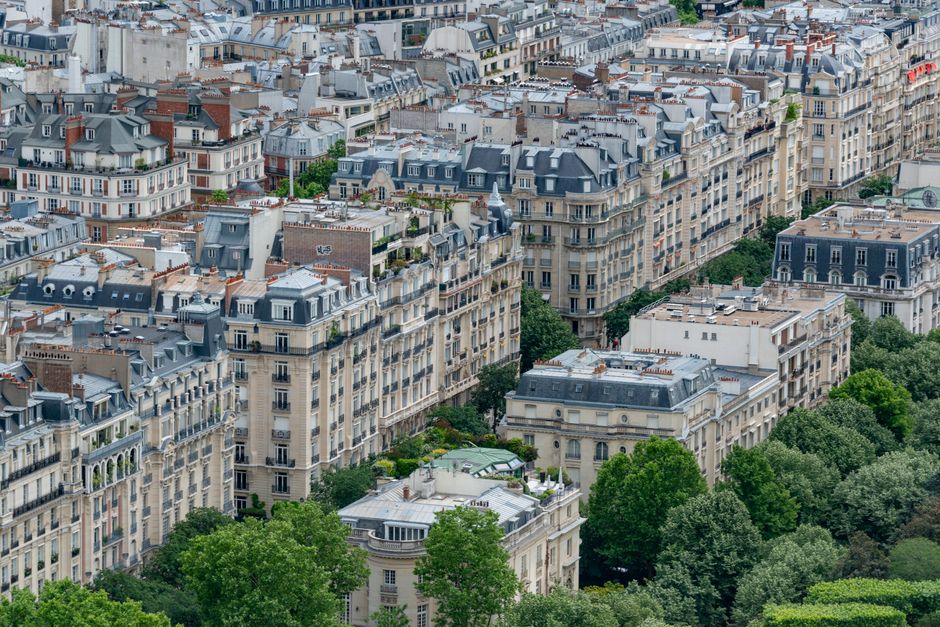
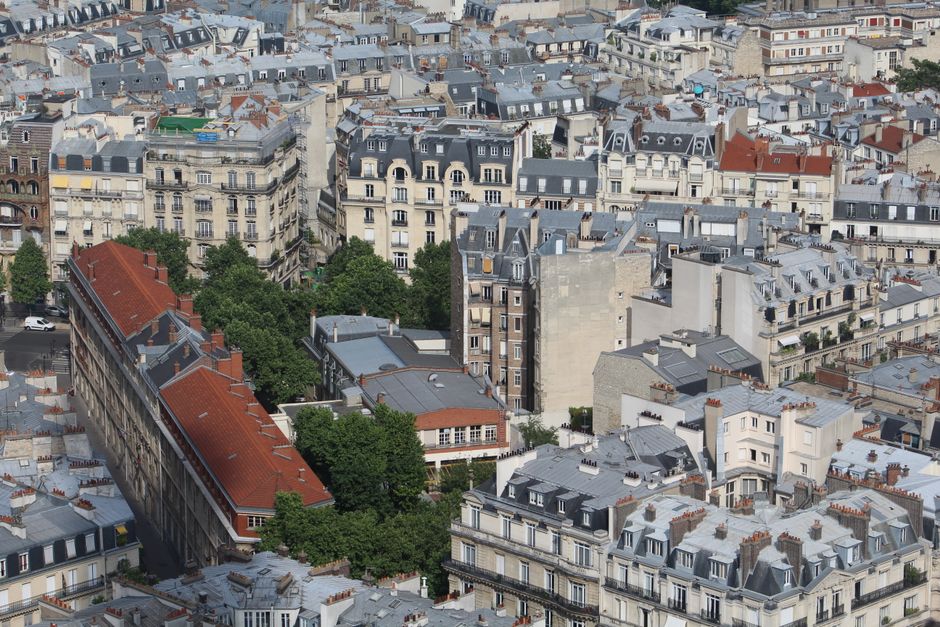
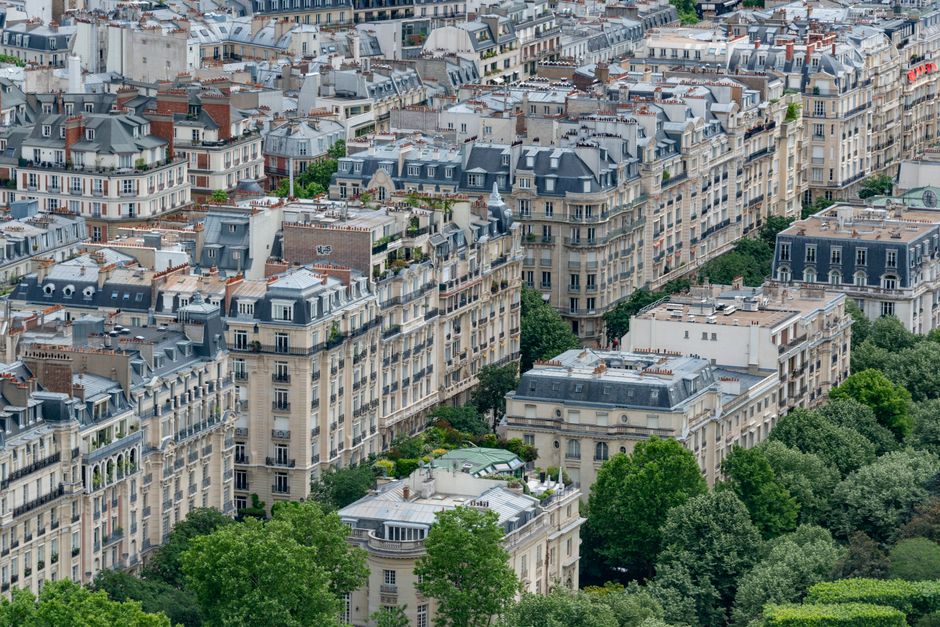
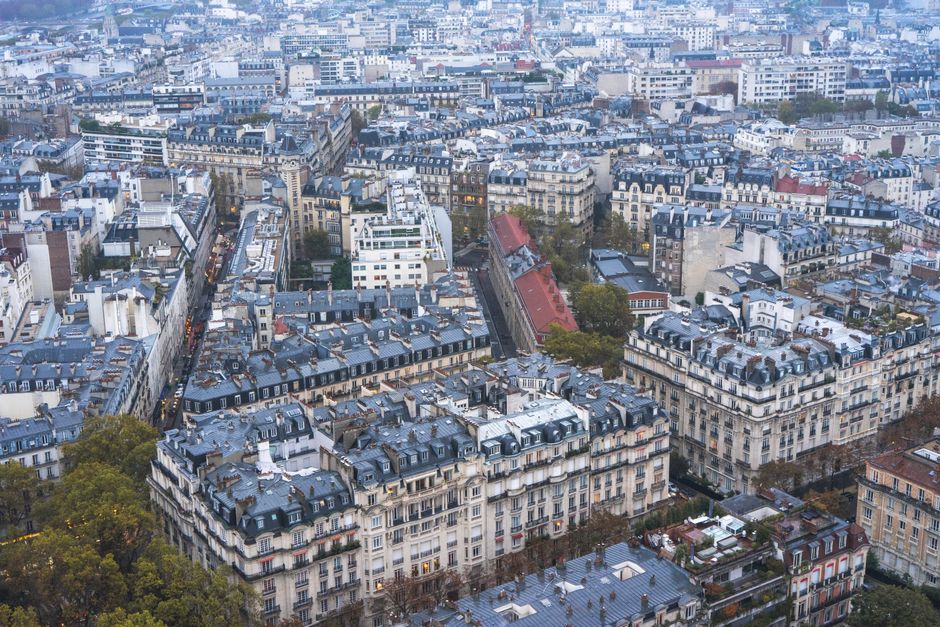
The Paris luxury market is experiencing a peculiar paradox. While national clearance rates have softened, trophy properties in the 1st, 6th and 8th arrondissements continue commanding premium multiples—with some riverside addresses along the Left Bank now exceeding €16,000 per square metre. For serious buyers navigating this terrain, recognising what's genuinely driving demand versus what's merely hype has become essential.
Three structural forces are reshaping Paris's high-end sector. First, international capital continues gravitating toward institutional-grade addresses. Properties within walking distance of Place Vendôme or overlooking the Seine near Pont des Arts attract wealth from the Middle East, Asia and Russia, regardless of broader market conditions. These aren't primary residences—they're financial anchors in a city perceived as eternally stable. Second, French wealth concentration has intensified post-pandemic. Ultra-high-net-worth individuals, particularly in tech and finance, are consolidating holdings in Paris rather than spreading portfolios across multiple cities. The result: bidding wars for immaculate Haussmann apartments with original mouldings and south-facing exposures.
Third, supply scarcity is structural, not temporary. Conservation regulations in central arrondissements make new construction nearly impossible, while renovation costs have climbed 12-15% since 2023. A completely refreshed four-bedroom on Rue de Rivoli or Rue de l'Université now commands €3.5-4.8 million—roughly 40% above comparable international capitals like London or Geneva.
But here's what buyers must understand before committing: prestige pricing is increasingly divorced from yield. Rental returns on ultra-premium properties rarely exceed 2-2.5%, making them effectively illiquid wealth storage rather than income vehicles. Second, regulatory pressure on short-term rentals is tightening. Paris's prefectural limits on Airbnb licences mean traditional investor strategies are becoming riskier. Third, the 9th-11th arrondissement shift is real but maturing. Marais lofts and Oberkampf converted warehouses appreciated 8-10% annually through 2024, but momentum is normalising as supply increases and proximity-to-culture premiums compress.
Smart buyers in mid-2026 should focus on three strategies: (1) Seek authentic Haussmann stock in undervalued arrondissements like the 11th or northern 10th, where €8,000-9,500 per square metre still offers appreciation potential; (2) Prioritise properties with genuine renovation upside rather than trophy finished units already priced for perfection; (3) Understand your exit strategy—whether personal use, eventual sale or intergenerational wealth—before entering the market. The luxury sector isn't frothy, but it's certainly not a bargain. Clear-eyed valuation matters more than ever.
This article was compiled by AI from the sources linked above and screened before publishing. See our editorial standards.
How does this story make you feel?
Spread the word
About this article
Published by The Daily Paris
Daily brief
Free, in your inbox before 7am. Weekdays.
More in Property