Why Paris Property Just Hit a New Ceiling—And What Savvy Buyers Must Do Now
Supply scarcity and investor demand are pushing prices past €11,000 per square metre, but affordability pressures are reshaping where buyers actually want to live.
Supply scarcity and investor demand are pushing prices past €11,000 per square metre, but affordability pressures are reshaping where buyers actually want to live.
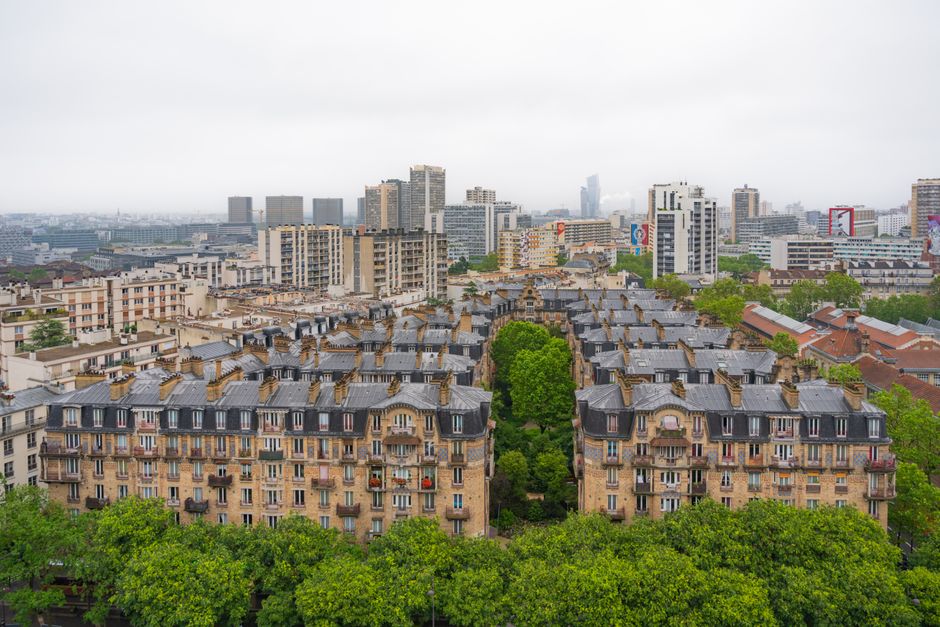
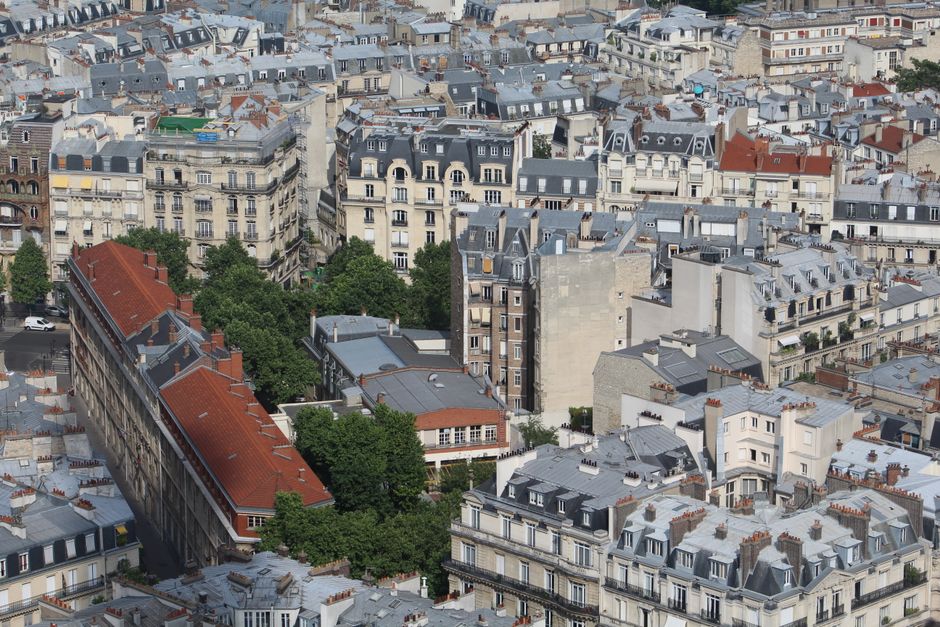
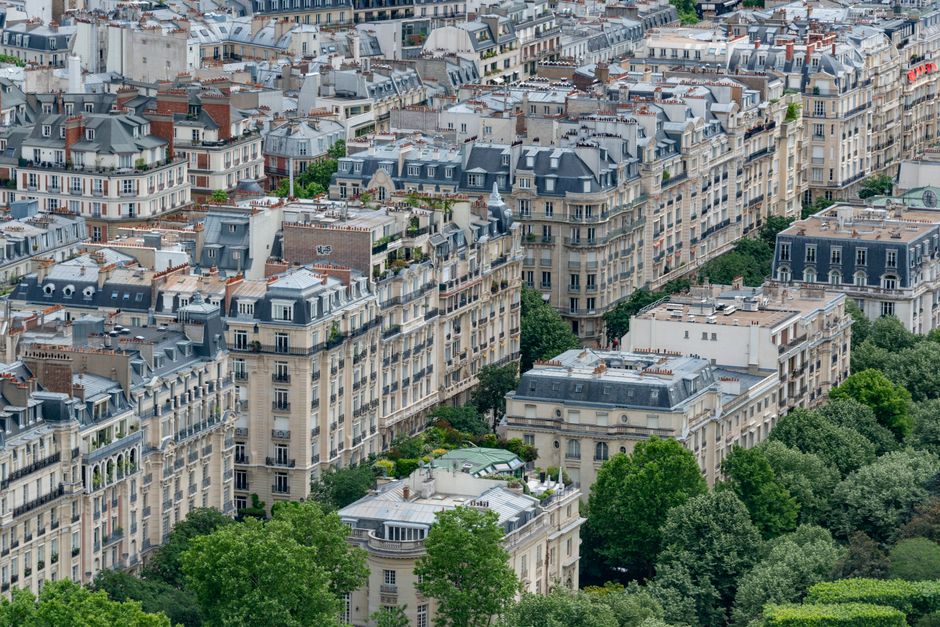
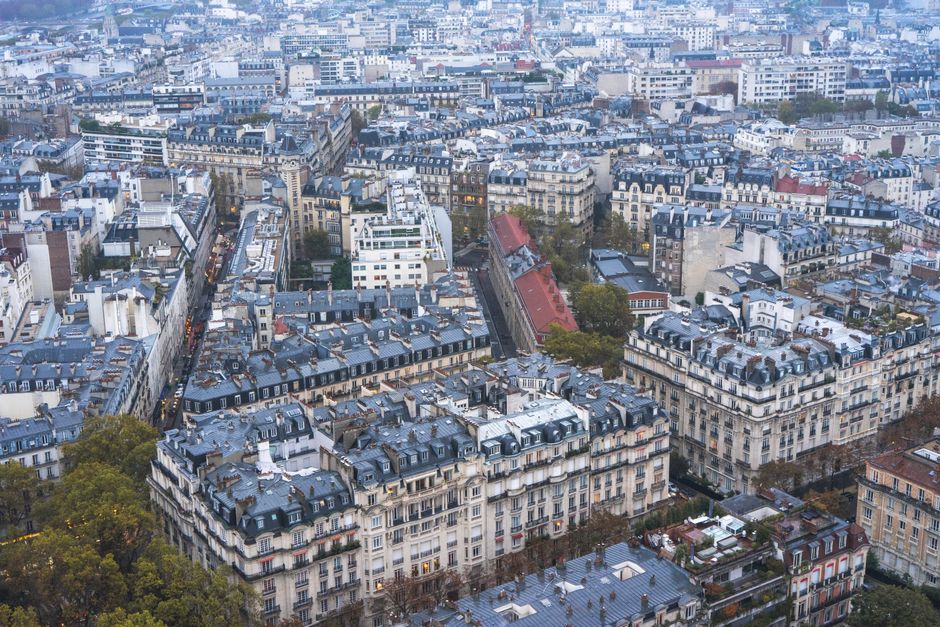
Paris property has entered a new phase. After years of steady appreciation, the market has fractured into two distinct realities: the untouchable prestige of the central arrondissements and the frantic scramble for value in outer rings where young families and investors are now placing their bets.
Prices in the 1st through 8th arrondissements remain stratospheric—€12,000 to €15,000 per square metre is now standard on Rue de Rivoli and around Place Vendôme. But the real market movement is happening elsewhere. The 9th and 11th arrondissements, historically trendy but still attainable, have seen 8-12% annual growth. A two-bedroom near République or Oberkampf now hovers around €750,000—a threshold that forces middle-income buyers to look further.
This is where Grand Paris becomes critical. The RER B and RER D extensions are quietly rewriting the map. Buyers who were priced out of the Marais in 2023 are now acquiring identical space in Vincennes or Montreuil for 30% less. The logic is simple: 25-minute commute times to central business districts, newer construction, and parking—luxuries unavailable in central Paris—are reshaping buyer priorities.
Supply remains the underlying constraint. Historic preservation laws, strict building codes, and limited renovation sites keep new housing trickling rather than flowing. The average arrondissement sees fewer than 200 new residential units annually, while demand continues climbing. This imbalance is the primary price driver, not investor speculation as commonly assumed.
What should buyers know? First, timing is less predictable than it was three years ago. Rate volatility, pension reform, and regulatory uncertainty around short-term rentals have introduced friction. Second, location hierarchy has expanded. Central Paris still appreciates, but the premium for a penthouse on Avenue Montaigne versus a renovated loft in Belleville is no longer proportional to the price differential. Third, off-plan purchases in Grand Paris municipalities—Boulogne-Billancourt, Neuilly, Versailles—now offer better value preservation than older stock in established neighborhoods.
The affordability crisis is real but navigable. Buyers under €600,000 have options; those above €1 million face inventory scarcity rather than choice scarcity. The sweet spot for investment remains the 10th and 12th arrondissements, where gentrification continues but hasn't yet plateaued.
For Paris property seekers, 2026 is a year to act decisively but selectively. The window for reasonable access to established neighborhoods is narrowing, and the future belongs to those willing to trade prestige postcodes for commute comfort and space.
This article was compiled by AI from the sources linked above and screened before publishing. See our editorial standards.
How does this story make you feel?
Spread the word
About this article
Published by The Daily Paris
Daily brief
Free, in your inbox before 7am. Weekdays.
More in Property