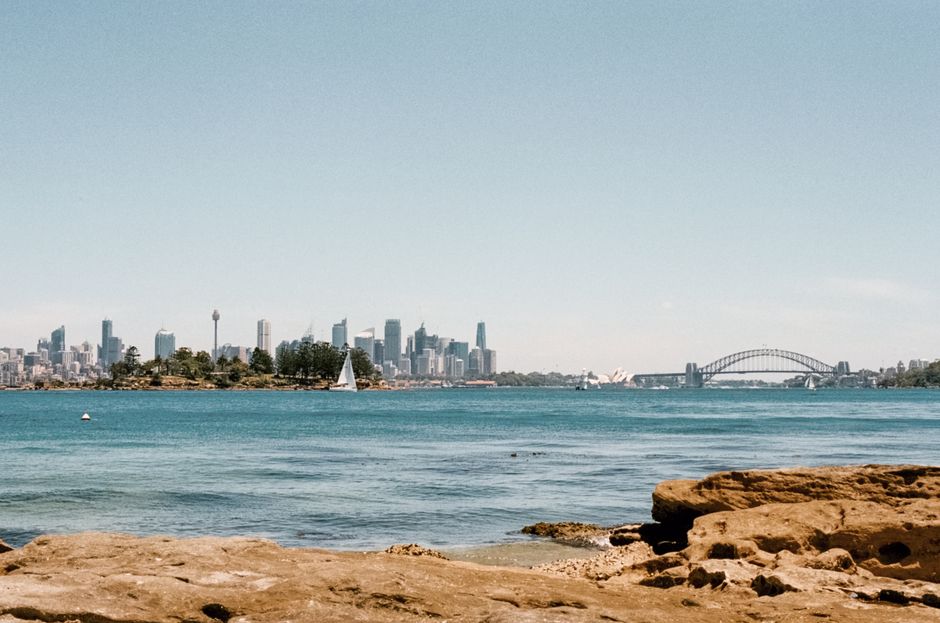
Sydney's local government has reached a critical juncture. This week's heated council debate over planning reforms didn't emerge from nowhere—it's the culmination of a decade-long tension between growth advocates and residents exhausted by rapid transformation across the city's inner and middle rings.
The conflict centres on how Sydney manages development approvals, a process that has become increasingly fraught. Since 2016, when the NSW government introduced streamlined planning pathways, the number of apartment approvals in suburbs like Parramatta and Canterbury has surged. Parramatta alone saw residential approvals jump from 800 dwellings in 2015 to over 3,200 by 2024, according to planning data. Meanwhile, infrastructure—schools, transport, green space—has struggled to keep pace.
Local councils have found themselves caught between state government directives demanding higher housing targets and constituents attending packed public meetings to oppose 15-storey developments on their streets. The City of Sydney, covering areas from Barangaroo to Redfern, has grappled with this tension acutely. Residents in Surry Hills and Darlinghurst report that character streets feel increasingly unrecognisable, while property owners and developers argue Sydney's housing shortage demands bold action.
Three years ago, things came to a head when a controversial mixed-use tower proposed for Chatswood sparked sustained community organising. That fight revealed the depth of anxiety—not simply about development itself, but about whether communities had any meaningful say in their city's shape. Community groups began coordinating across suburbs, sharing concerns about transparency and process.
Simultaneously, market forces intensified pressure. With median Sydney house prices approaching $1.2 million in many suburbs, developers have sought higher-density opportunities. The economic logic is irresistible for many landowners, particularly those sitting on larger sites in transport-accessible areas.
But the political calculation has shifted. Councils have noticed. This year's local government elections saw planning and development emerge as dominant campaign issues in almost every ward across the greater Sydney area. Candidates who promised slower, more consultative approaches performed unexpectedly well.
What we're witnessing now isn't simply NIMBYism versus progress. It's a genuine philosophical dispute about process, accountability, and who decides Sydney's future. The state government has outlined ambitious housing targets. Communities are demanding genuine consultation. Developers need certainty. Councils are squeezed in the middle, trying to navigate what many feel is an impossible triangle.
This week's council session reflects that impossible position. Understanding where we arrived doesn't solve the problem—but it clarifies what's really at stake.
This article was compiled by AI from the sources linked above and screened before publishing. See our editorial standards.