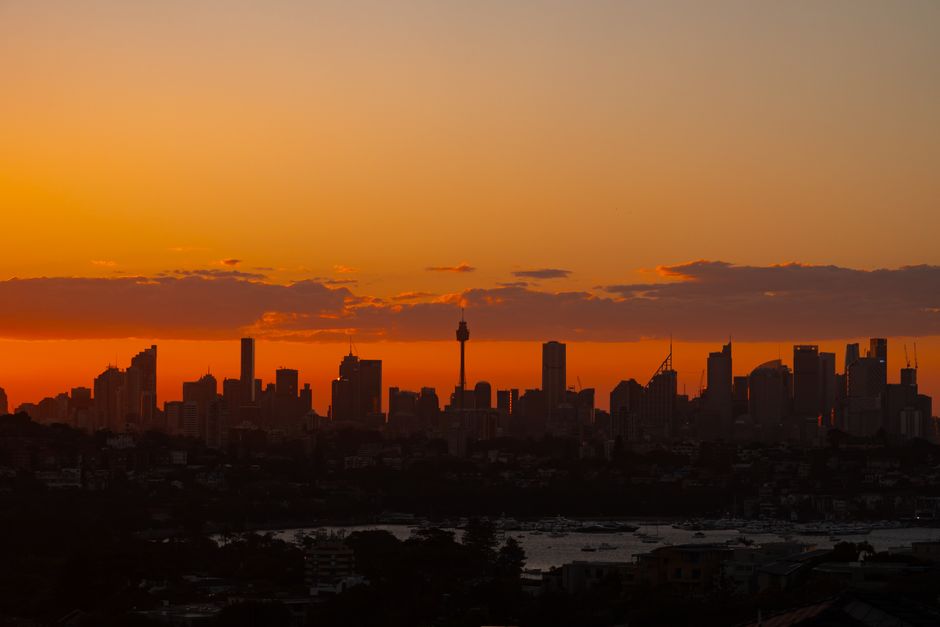
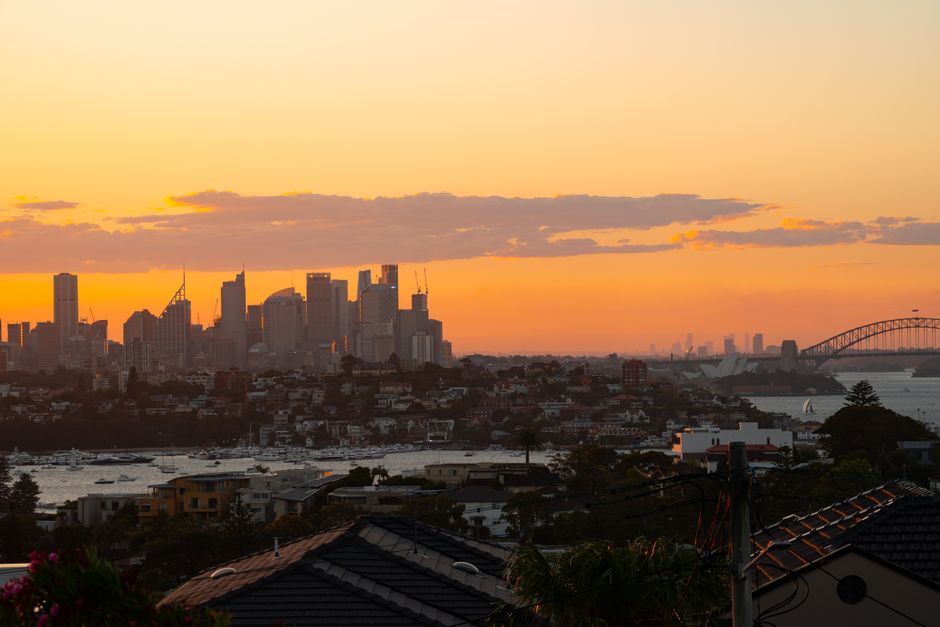
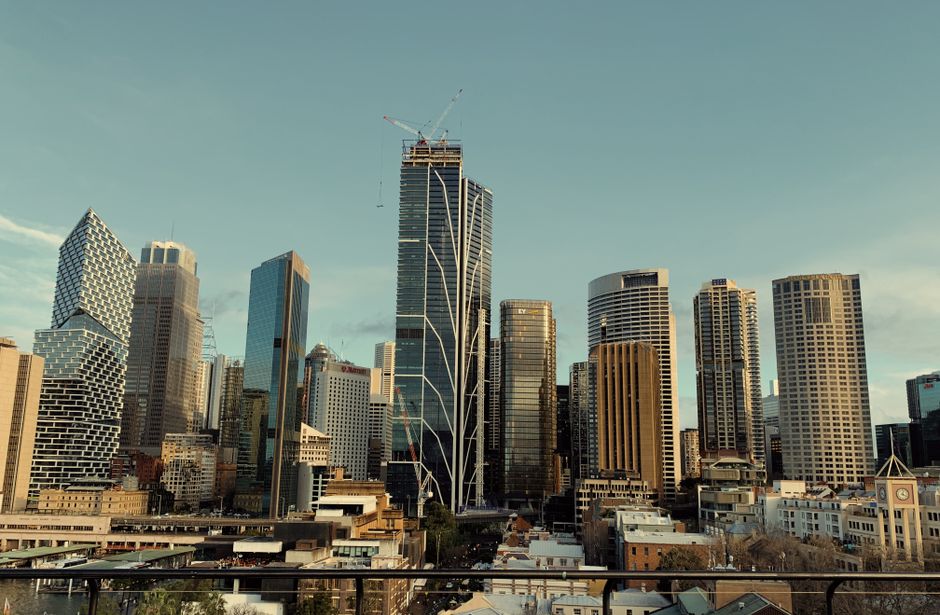
Sydney's environmental leadership is intensifying as city officials and sustainability experts map out an aggressive roadmap to slash emissions across the metropolitan area over the next two decades.
The City of Sydney Council has committed to reaching net-zero carbon emissions by 2050, with interim targets requiring a 70 per cent reduction in greenhouse gas emissions by 2035. Senior figures within the council's environmental strategy team have flagged transport as the primary battleground, pointing to private vehicle use as accounting for roughly 40 per cent of the city's transport-related emissions.
The expansion of rapid transit corridors along major arteries—including extensions along the M2 corridor toward the Central West and improvements to ferry networks across Sydney Harbour—represents a cornerstone of the approach. Officials emphasise that reducing reliance on private vehicles will require sustained investment in public transport infrastructure and cycling networks, with the Green Square precinct already serving as a testing ground for pedestrian-focused urban design.
Building standards have equally drawn expert attention. New sustainability guidelines for construction in high-growth areas like Parramatta and Bankstown mandate energy-efficient systems and rooftop solar installations. Industry analysts note that while compliance costs initially raise development expenses by 5–8 per cent, operational savings typically offset these within eight to ten years.
Environmental organisations working across the Greater Sydney region have welcomed the commitments, though they stress the urgency of accelerating timelines. Representatives from major conservation groups point to water security challenges and heat island effects in western Sydney suburbs as pressing climate adaptation challenges that cannot be deferred.
Corporate sector engagement has also shifted. Leading property developers and financial institutions with portfolios across the CBD and inner West have signalled alignment with emissions reduction targets, recognising that ESG credentials increasingly influence capital flows and tenant demand.
However, experts caution that rhetorical commitments must translate into measurable policy action. The gap between announced targets and funding allocation remains scrutinised by independent climate researchers. Questions persist about how councils will finance critical infrastructure upgrades while managing competing budget pressures in sectors including social housing and local services.
As Sydney positions itself as a climate-conscious global city, the coming fiscal year will reveal whether official statements convert into substantive environmental outcomes or remain symbolic gestures in a crowded policy landscape.
This article was compiled by AI from the sources linked above and screened before publishing. See our editorial standards.