Inner West Community at Crossroads: What Happens Next as Development Pressure Mounts
As Melbourne and Brisbane boom, Sydney's Marrickville and Dulwich Hill face critical decisions about housing density, heritage and neighbourhood character.
As Melbourne and Brisbane boom, Sydney's Marrickville and Dulwich Hill face critical decisions about housing density, heritage and neighbourhood character.
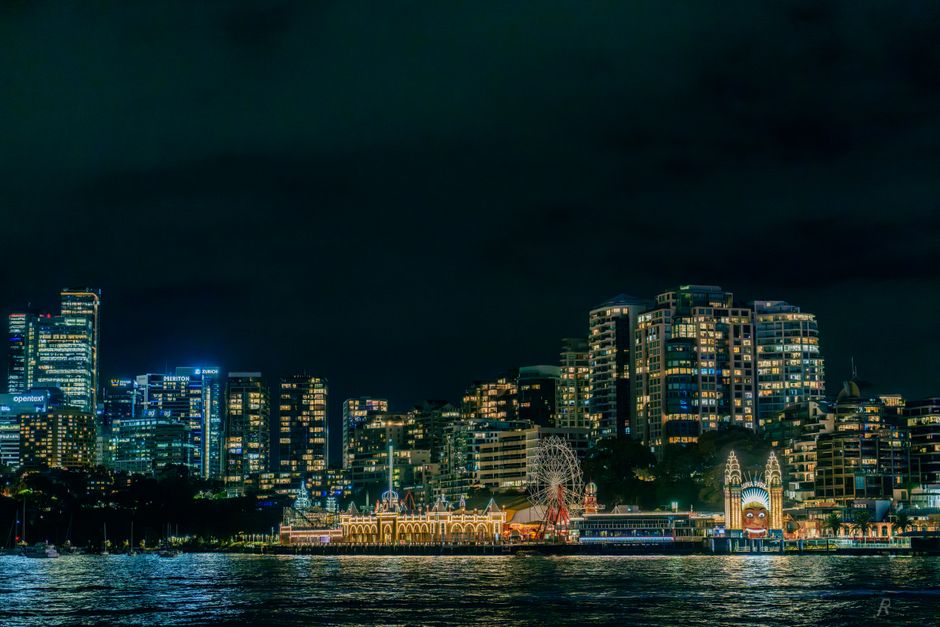
The inner west is at an inflection point. Across Marrickville, Dulwich Hill and Stanmore, residents and councillors are wrestling with a question that will define the next decade: how do we grow without losing what makes these neighbourhoods matter?
The pressure is real. Land values around Marrickville station have climbed 40 per cent in three years. A modest weatherboard cottage on Edwin Street now commands $2.2 million. Meanwhile, Sydney's housing shortage—with vacancy rates below 1 per cent—means developers are circling, armed with plans for medium-density housing and mixed-use developments that would transform the streetscape.
Marrickville Council is currently reviewing its Local Environmental Plan, due for submission in Q4 2026. The decision looms: embrace higher-density zoning near transport corridors, or maintain existing restrictions that critics say entrench housing unaffordability for younger families.
"It's not abstract," says the Inner West community services network, which has documented increasing pressure on local schools and GP clinics as more families squeeze into the area. Dulwich Hill Public School is now at 95 per cent capacity, up from 78 per cent five years ago.
But the heritage argument cuts differently here. Marrickville's postwar terraces and art deco shopfronts along Marrickville Road aren't just nostalgic—they're economically alive. The neighbourhood's identity as a creative hub, built on affordable rents, is what drew artists, independent retailers, and hospitality venues that now anchor the local economy.
Three paths diverge. Council could impose stricter heritage overlays, protecting character but potentially pricing out the very creative workers who built the neighbourhood's reputation. It could fast-track medium-density development, adding housing but risking the loss of laneway cafes and independent shops that can't compete with chain retail in higher-rent environments. Or it could take the middle road: strategic infill that respects street character while enabling modest growth near transport hubs.
The community conversation is happening now—at Marrickville Library, through council submissions, and in pubs along Church Street. But the window is closing. Within six months, the planning rules that will govern this neighbourhood for the next 20 years will be set.
That's not just a planning decision. It's a choice about whether the inner west remains accessible, distinctive, and liveable—or becomes another gentrified postcode where the people who made it interesting can no longer afford to live.
This article was compiled by AI from the sources linked above and screened before publishing. See our editorial standards.
How does this story make you feel?
Spread the word
About this article
Published by The Daily Sydney
Daily brief
Free, in your inbox before 7am. Weekdays.
More in News