Sydney's Green Future Hangs on Three Critical Decisions in the Next 12 Months
As the city's sustainability ambitions accelerate, major commitments on transport, water and corporate emissions will determine whether Sydney can meet its 2030 targets.
As the city's sustainability ambitions accelerate, major commitments on transport, water and corporate emissions will determine whether Sydney can meet its 2030 targets.
Sydney stands at a critical juncture. With just four years until 2030, the city's ambitious environmental commitments face their most consequential test yet—and the decisions made over the next 12 months will largely determine whether they succeed or falter.
The first pivotal decision involves public transport. The NSW government's bus fleet renewal program aims to transition 3,000 vehicles to zero-emission by 2030, yet only around 200 electric buses currently operate across Greater Sydney. The key question: will the state commit sufficient funding to accelerate this rollout, particularly on congested routes through the CBD and out to western suburbs like Penrith and Parramatta? Transport advocates argue that without locked-in investment by early 2027, the timeline becomes mathematically impossible.
Water management presents the second major fork in the road. Sydney's three desalination plants currently operate at only 30-40% capacity, while recycled water schemes remain underdeveloped despite the city's chronic water stress. The Greater Sydney Commission's upcoming review of water infrastructure will determine whether the city invests heavily in purple pipe networks for non-potable use—a costly but essential shift toward circular water systems. Suburbs like Ryde and the Central Coast will be particularly affected by whatever path is chosen.
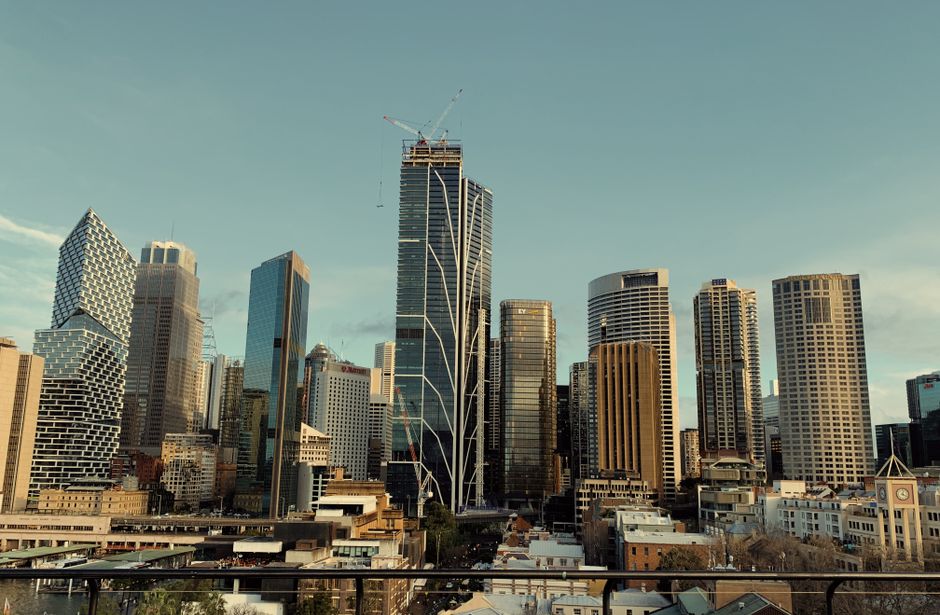
Perhaps most consequentially, corporate emissions accountability will be tested. The CBD has set a target of 70% emissions reduction by 2030, yet major office towers—many concentrated around Martin Place and Barangaroo—have seen minimal structural retrofitting. The decision ahead: will stricter building performance standards with financial penalties force landlords and tenants to act, or will voluntary frameworks continue to permit incremental progress?
These aren't abstract policy questions. They translate into real costs and convenience for Sydneysiders. Bus network decisions affect commute times for 1.4 million daily public transport users. Water infrastructure choices shape future property values and development approval processes. Corporate accountability mechanisms influence everything from energy costs to air quality in the city's commercial heart.
City of Sydney Council and state agencies have signaled consultation processes will accelerate through late 2026 and early 2027. Industry groups, environmental organisations, and residents need to engage meaningfully with these deliberations now—not after decisions are locked in.
The rhetoric around Sydney's sustainability ambitions has been consistent and compelling. The hard part always comes next: turning commitments into funded, executed projects with real accountability. The next year will reveal whether Sydney's environmental leadership is genuine or merely aspirational.
This article was compiled by AI from the sources linked above and screened before publishing. See our editorial standards.
How does this story make you feel?
Spread the word
About this article
Published by The Daily Sydney
Daily brief
Free, in your inbox before 7am. Weekdays.
More in News