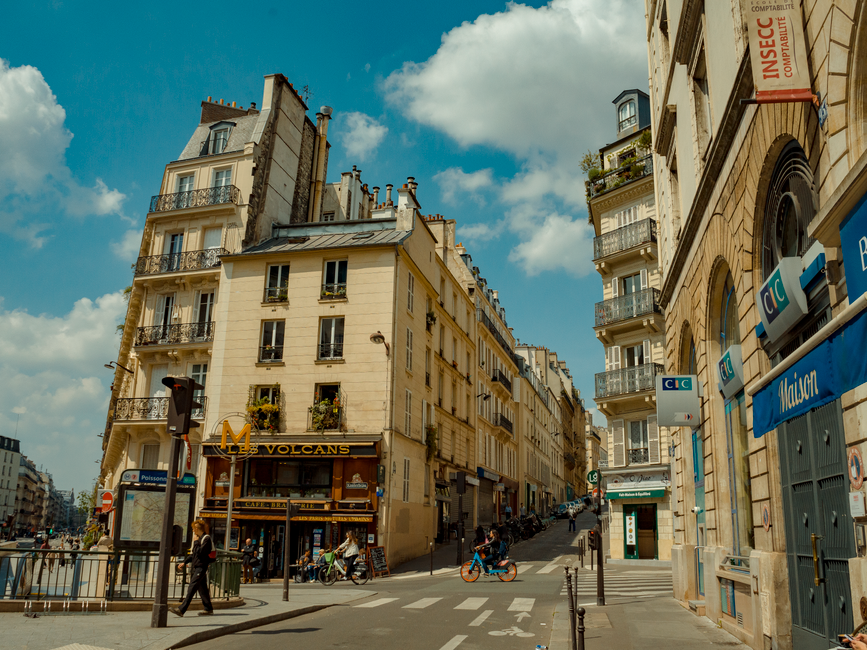
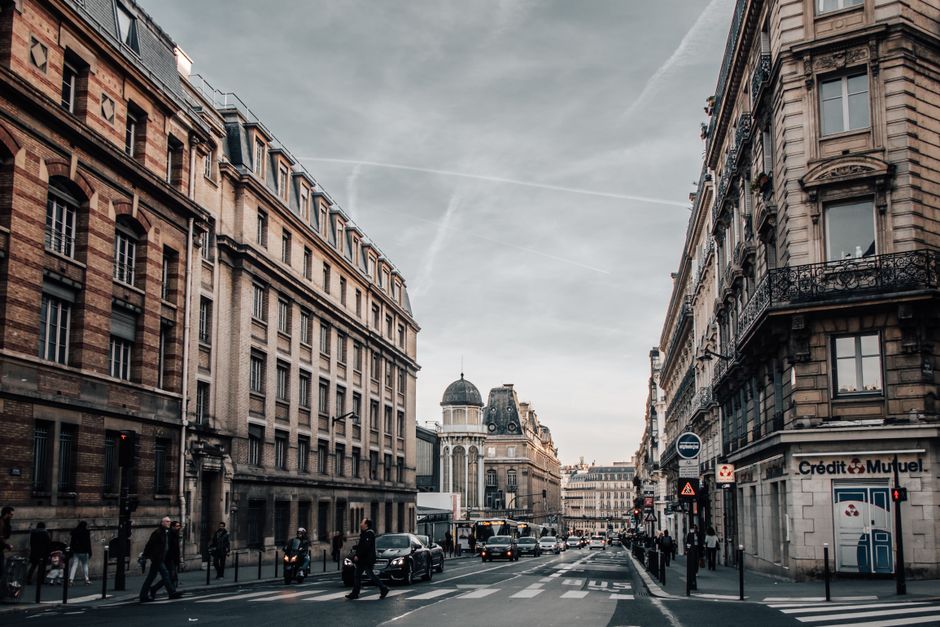
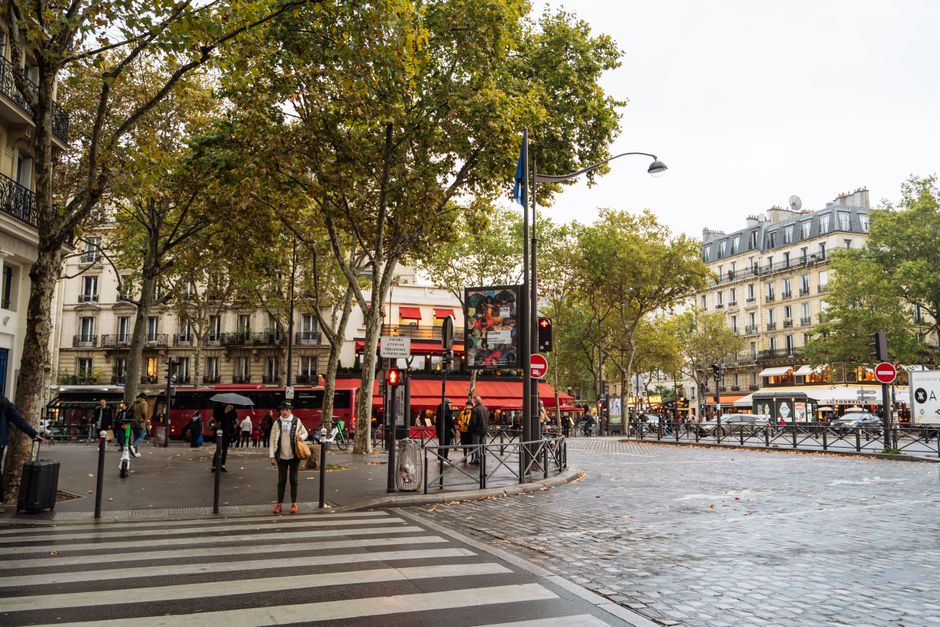
Walk along Rue des Rosiers on a Saturday afternoon and the transformation is unmistakable. Where vintage bookshops and family-run falafel restaurants once anchored the community, international fashion brands and high-end bistros now compete for street frontage. For the 12,000 residents who call the Marais home, this rapid gentrification represents far more than aesthetic change—it's reshaping the social fabric of one of Paris's most historically significant neighbourhoods.
Real estate data tells a stark story. Since 2020, average monthly rents in the 4th arrondissement have surged 34 percent, with studio apartments now commanding €1,200 to €1,500. One-bedroom flats regularly fetch €1,800. For comparison, citywide averages sit around €900 for studios. The pressure extends beyond renters: property taxes have increased significantly, forcing elderly owners and longtime shopkeepers to reconsider their futures here.
The impact ripples through daily life. The Bibliothèque Forney, the textile design library housed in the historic Hôtel de Beauharnais, reports declining visitor numbers from neighbourhood residents who now live further afield. Community centres like the Maison des Jeunes et de la Culture du Marais struggle to fill programmes as families relocate to affordable suburbs like Montreuil or Pantin. Local schools in the quarter have seen enrolment shift, with working-class families replaced by affluent newcomers.
Yet grassroots organisations are fighting back. The Collectif Marais, a resident advocacy group formed in 2023, has pressured the city council to implement stricter rent controls and preserve affordable housing stock. They've successfully lobbied for protection of six heritage shopfronts on Rue Vieille du Temple, preventing demolition for luxury conversions. The city's deputy mayor for housing acknowledged the crisis in April, pledging 200 new affordable units by 2028—a modest response to a neighbourhood where vacancy rates have fallen below 1 percent.
What's at stake extends beyond housing. The Marais's Jewish heritage, LGBTQ+ community presence, and artist population that defined its identity for generations face erasure. The closure of three kosher restaurants in eighteen months signals how economic pressure is hollowing out the quarter's cultural character.
For Paris residents across all neighbourhoods, the Marais story serves as a warning. If the city's most vibrant, historically anchored communities cannot resist displacement pressure, which neighbourhoods can? The question increasingly determines whether Paris remains a city for Parisians, or becomes a luxury destination for international capital.
This article was compiled by AI from the sources linked above and screened before publishing. See our editorial standards.