Paris's Housing Crisis Strategy: How France's Capital Compares to Berlin, Barcelona and Beyond
As European cities grapple with soaring rents and shrinking affordable stock, Paris is charting its own course—with mixed results.
As European cities grapple with soaring rents and shrinking affordable stock, Paris is charting its own course—with mixed results.
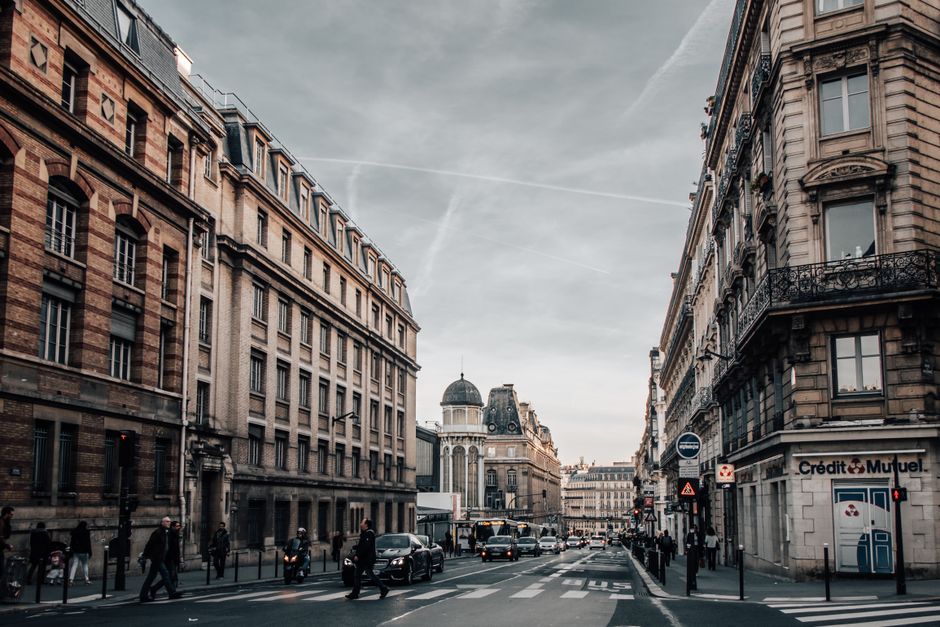
The Marais district has long symbolised Paris's housing predicament. Once working-class, now dominated by luxury boutiques and €1.2 million two-bedroom apartments, it represents the displacement that has become familiar across the city's historic quarters. Yet Paris's response to this crisis—ambitious in scope, if uneven in execution—offers a instructive contrast to how peer cities are tackling Europe's housing emergency.
Paris's 2016 Housing Law mandated that 25 per cent of new construction be affordable, with prices capped for 60 years. The city's recent €500 million renovation of the Clichy-Montfermeil suburbs, funded partly through European grants, targeted 10,000 new units. Meanwhile, the Île-Saint-Louis waterfront project will convert offices into mixed-income residences. By raw numbers, Paris aims to deliver 50,000 new homes by 2030.
Compare this to Berlin, which in 2020 imposed a five-year rent freeze—a measure Paris has rejected as economically counterproductive. Barcelona, facing similar pressures, instead expanded cooperative housing models, with organisations like Sostre Civic now managing 3,000 units. Vienna, historically Europe's affordable housing champion, maintains that 60 per cent of new builds must be social housing—a threshold Paris has never approached.
The results reveal complexity. Paris's average rent now exceeds €20 per square metre monthly in central arrondissements, compared to Berlin's €10. Yet Paris's construction pipeline is significantly larger than Barcelona's, which has struggled with planning bureaucracy. Vienna maintains lower vacancy rates but faces criticism for architectural uniformity.
Local experts argue Paris's market-driven approach differs fundamentally from continental competitors. The city relies on tax incentives and developer partnerships rather than aggressive public housing mandates. The Reinventing Paris initiative, which auctioned prime public sites to architects with social housing stipulations, has proven popular with designers but delivered limited affordability in practice.
The tension crystallises in the 13th arrondissement, where gleaming mixed-use developments around the Bibliothèque Nationale contrast sharply with aging public housing blocks on the Rue de Tolbiac. City planners argue incremental improvement beats confrontation; housing activists contend the pace is inadequate.
As other European capitals recalibrate their strategies—Berlin reconsidering its freeze, Barcelona expanding cooperative models—Paris faces pressure to shift beyond market mechanisms. Yet institutional constraints, property owner resistance, and Paris's particular role as a global financial hub mean the city's path remains distinctly its own: ambitious infrastructure investment coupled with faith in market forces to eventually broaden access.
Whether this hybrid approach succeeds where others have faltered remains the defining question of Parisian urban planning.
This article was compiled by AI from the sources linked above and screened before publishing. See our editorial standards.
How does this story make you feel?
Spread the word
About this article
Published by The Daily Paris
Daily brief
Free, in your inbox before 7am. Weekdays.
More in News