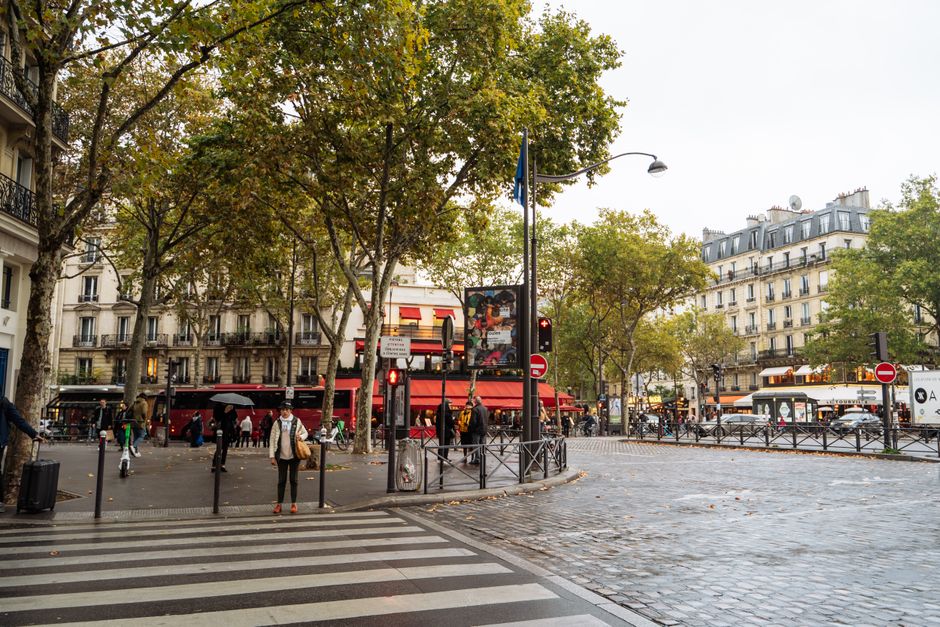
Paris faces a defining challenge shared by cities across the globe: how to integrate growing migrant and minority communities while maintaining social stability. Yet the French capital's approach—rooted in republican ideals of assimilation—stands in sharp contrast to the multicultural frameworks adopted by rival cities tackling similar demographic shifts.
In the 20th arrondissement, where roughly 47% of residents are of immigrant origin according to recent municipal data, community centres along Rue des Pyrénées buzz with language classes, job training programmes and cultural events. Yet officials acknowledge integration gaps that persist. A 2024 study by the Institut Montaigne found Paris spends approximately €4,200 per capita annually on integration services, nearly double the German average of €2,300, yet unemployment among second-generation immigrants remains stubbornly higher than the national average.
Compare this to Berlin, where decentralised city-states have experimented with neighbourhood governance councils that give migrant communities formal decision-making power. Toronto, by contrast, has embraced explicit multiculturalism as policy, funding ethnic-specific cultural institutions while Paris maintains stricter secular neutrality in public spending.
Housing presents another friction point. Paris's shortage of affordable accommodation has intensified competition in traditionally diverse areas. The 10th and 11th arrondissements have experienced rapid gentrification, displacing long-established immigrant families. Meanwhile, Barcelona has pioneered cooperative housing models that blend affordability with community integration—an approach Paris has only recently begun piloting in outer zones like Montsouris.
Employment represents perhaps the starkest divide. Paris's major employers—from LVMH headquarters in the 8th arrondissement to tech firms clustering around Station F—have launched targeted diversity recruitment. Yet structural barriers persist. A 2025 audit found candidates with North African names received callbacks at rates 23% lower than equally qualified French-named applicants, mirroring problems in other Western cities but slower to improve than in London or Amsterdam.
Integration advocates note Paris's republican model—which eschews identity-based statistics in official policy—hinders evidence-based solutions that cities like Toronto employ freely. Yet others defend France's universalist approach as a philosophical anchor against fragmentation.
The test comes as migration pressures mount globally. Paris's approach—generous social investment combined with assimilationist philosophy—offers neither Toronto's explicit pluralism nor Berlin's localist flexibility. Success, stakeholders suggest, may require Paris to borrow selectively from peers while remaining faithful to its own civic traditions.
This article was compiled by AI from the sources linked above and screened before publishing. See our editorial standards.