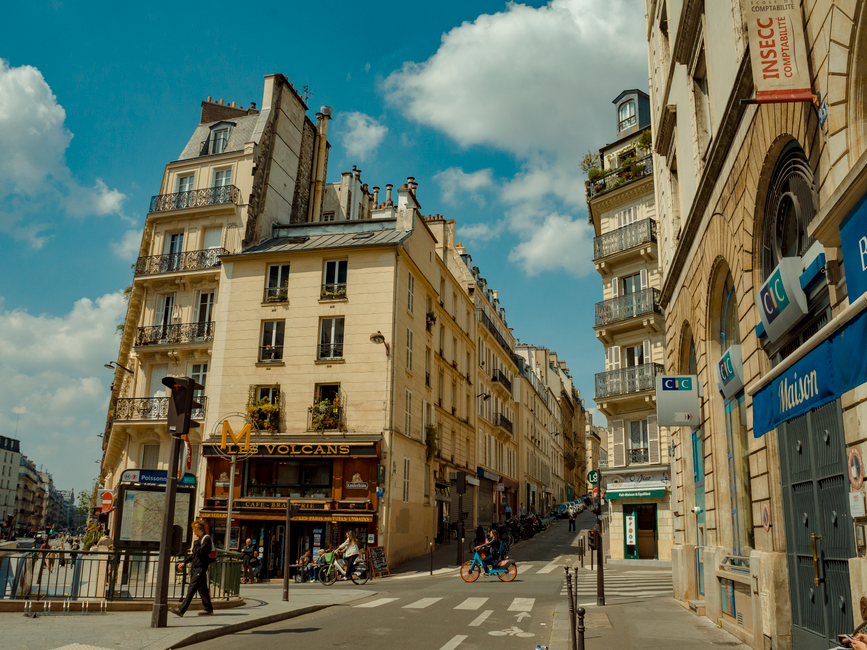
Walk through Château Rouge on a Saturday afternoon and the human scale of Europe's migration challenge becomes impossible to ignore. The métro station, a nerve centre for the 18th arrondissement's estimated 45,000 residents, pulses with the energy of one of Paris's most densely populated and economically fragile quarters. Yet beneath the vibrancy lies a grinding reality: housing shortages, overwhelmed schools, and social services stretched to breaking point.
Recent data from the Mairie of Paris reveals that the 18th—home to significant communities from West Africa, North Africa, and Eastern Europe—has seen rental prices spike 34% since 2022, forcing families into ever-tighter living arrangements. A one-bedroom flat on Rue Marcadet now averages €850 monthly, up from €635 four years ago. Meanwhile, the arrondissement's public schools report pupil-to-teacher ratios exceeding city averages by 18%, with language support programmes chronically underfunded.
The strain isn't abstract. At the Centre d'Action Sociale de la Goutte d'Or, social workers report a 42% increase in requests for emergency housing since 2024. "We're seeing families of four in single rooms," one coordinator noted, speaking anonymously. "The infrastructure simply hasn't kept pace with demographic reality."
This matters because unmanaged migration creates a vicious cycle: overcrowding breeds tension, inadequate resources fuel resentment, and political extremism finds fertile ground. The recent scenes from Venezuela and ongoing crises in Afghanistan and Pakistan have intensified global displacement pressures. Paris, as a wealthy European capital with established immigrant communities, remains a magnet—yet it increasingly lacks the capacity to integrate newcomers effectively.
The 18th's experience offers a cautionary tale for all of Paris. Integration requires investment: language classes, apprenticeship programmes, and affordable housing. The city's 10th arrondissement has pioneered some success with mixed-income developments and employer partnerships, though at significantly higher public cost than preventative investment would suggest.
Without serious policy intervention—expanding social housing quotas, funding French language programmes more robustly, and creating transparent pathways to employment—the 18th will continue grinding beneath the weight of unmet need. That burden ultimately ripples across the entire city: strained emergency services, educational inequality, and social fractures that no amount of cultural celebration at local festivals can genuinely heal.
The question facing Paris's leadership isn't whether to accommodate migration—demographic and geopolitical forces ensure that's inevitable. The question is whether the city will invest adequately in making integration work, or continue managing crisis by crisis in neighbourhoods that deserve better.
This article was compiled by AI from the sources linked above and screened before publishing. See our editorial standards.