Why Paris's Migration Hub Status Is Reshaping Daily Life for Residents Across the 10th and 11th Arrondissements
As asylum applications in the Île-de-France region surge by 23% year-on-year, local communities grapple with both opportunity and strain.
As asylum applications in the Île-de-France region surge by 23% year-on-year, local communities grapple with both opportunity and strain.
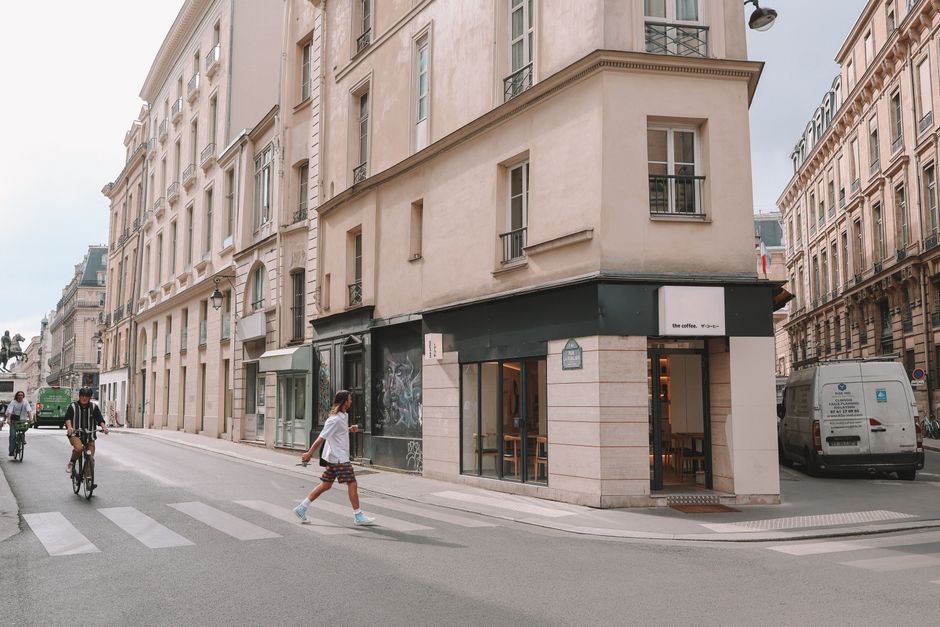
The queue outside the Office Français de l'Immigration et de l'Intégration (OFII) on rue Louis Blanc has become a fixture of daily life in the 10th arrondissement. On any given morning, dozens wait for processing appointments—a visible reminder that Paris has become a critical gateway for migrants and asylum seekers navigating Europe's shifting landscape.
According to data from the Île-de-France prefect's office, asylum applications across the region reached 47,000 in the first quarter of 2026, a 23% increase from the same period last year. While national attention focuses on border politics, local residents and organisations in historically immigrant neighbourhoods are confronting tangible realities: overcrowded social services, growing demand for affordable housing, and cultural integration challenges that demand immediate, practical solutions.
"The system is under tremendous pressure," says a spokesperson for Cimade, the immigrant rights organisation with offices in the Marais. "We're seeing families arrive with nothing, and our capacity to house and support them hasn't kept pace." Rents in the 10th and 11th arrondissements—traditional entry points for newcomers—have risen 8% in the past two years, squeezing both migrants and long-term residents competing for affordable units.
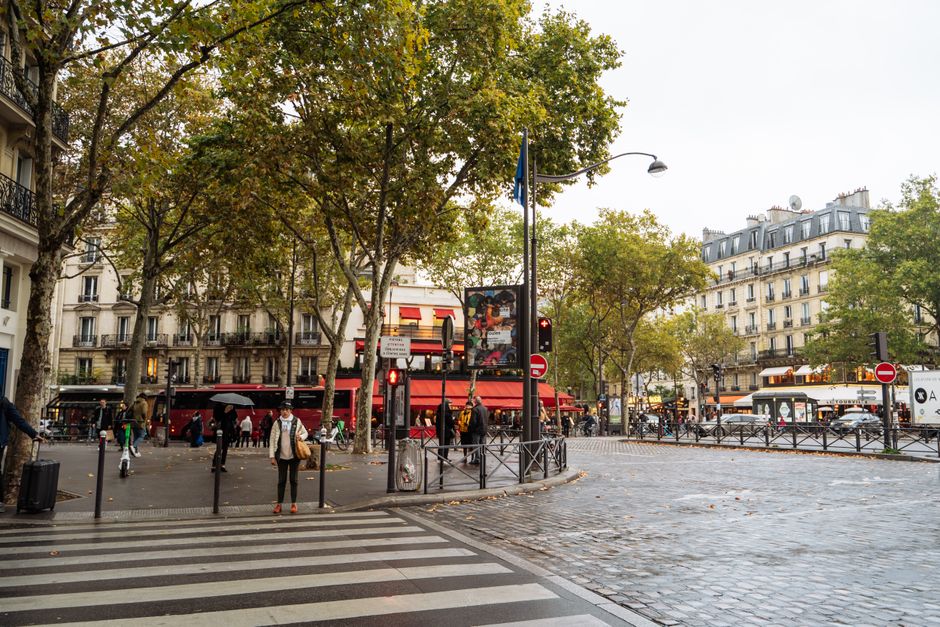
Yet the impact cuts both ways. Local schools, restaurants, and businesses in Belleville and around Canal Saint-Martin report demographic shifts that reflect Paris's evolving character. The neighbourhood now counts substantial populations from West Africa, the Balkans, and South Asia, creating vibrant cultural institutions but also raising questions about resource allocation in public services.
Integration centres like those run by Paris Métropole Solidarité report waiting lists stretching months for French language classes—a cornerstone of successful settlement. Meanwhile, business associations along rue de Marseille note that new arrivals are opening shops and restaurants, bringing economic activity but also triggering concerns about licensing and permits.
For residents navigating these changes daily, the question isn't abstract. It's about whether a daughter gets a place in the local crèche, whether language classes remain accessible, whether neighbourhoods maintain the character longtime inhabitants value while welcoming newcomers.
City Hall has pledged €15 million in additional integration funding, but community leaders warn it remains insufficient. As Paris confronts its role within Europe's migration dynamics, the 10th and 11th arrondissements serve as ground zero—where policy becomes lived experience, and where practical solutions will determine whether Paris's multicultural future feels like shared opportunity or competing scarcity.
This article was compiled by AI from the sources linked above and screened before publishing. See our editorial standards.
How does this story make you feel?
Spread the word
About this article
Published by The Daily Paris
Daily brief
Free, in your inbox before 7am. Weekdays.
More in News