When the City of Paris announced its expanded sustainability roadmap earlier this year, officials promised concrete changes. Six months in, residents across the capital are beginning to feel the impact in their neighbourhoods—and their wallets.
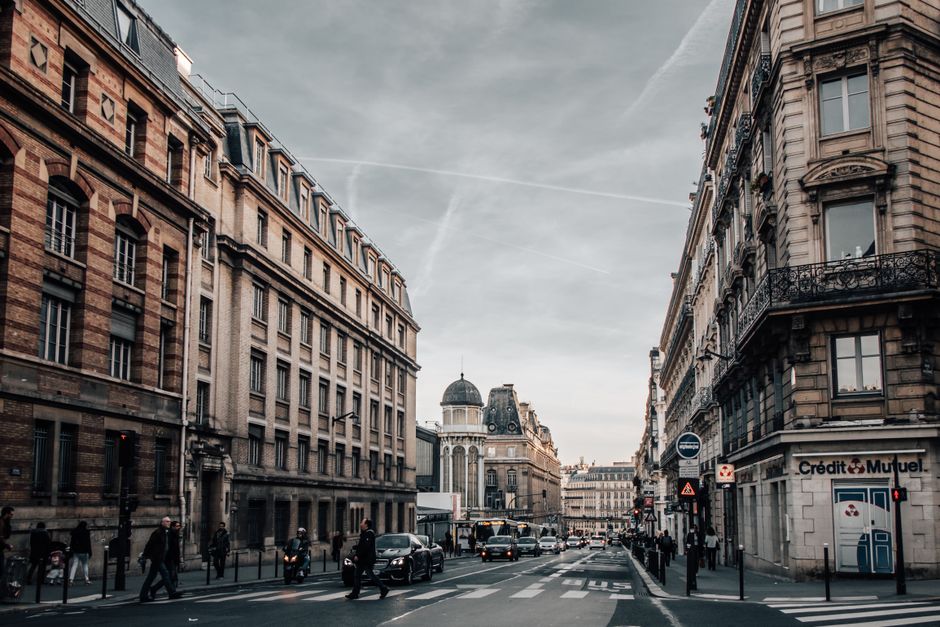
The most visible shift has arrived on the streets of central Paris. The expansion of the low-emission zone now covers the entire area within the périphérique, pushing higher-polluting vehicles out of districts like the Marais and Latin Quarter. Air quality monitors on Boulevard Saint-Germain show particulate matter has dropped by approximately 18% since January. For families with children in these areas, the health implications are significant: fewer respiratory issues, particularly among young residents attending schools like Lycée Henri-IV.
But sustainability isn't just about air quality. In Belleville and the 19th arrondissement, the city's aggressive energy retrofit programme has reached 3,200 buildings, many of them rent-controlled properties where residents struggled with outdated heating systems. Tenants report heating bills down by an average of 22%, a substantial saving for a district where over 40% of households earn below the Paris median income of €38,000 annually.
The Seine's ecological restoration project—now in its second phase—has transformed waterfront spaces from Pont Alexandre III to Pont de l'Alma. Public access areas have expanded, creating new community gathering spaces and improving the river's biodiversity. Local fishing clubs and environmental groups working with Paris authorities have documented a resurgence of native fish species for the first time in decades.
Perhaps most tangibly, the city's commitment to urban agriculture is reshaping how residents interact with food. Community gardens in the 15th and 20th arrondissements now serve over 1,200 households, reducing food expenses for participating families while building neighbourhood connections. The Belleville project alone supplies vegetables to three local schools and three senior centres.
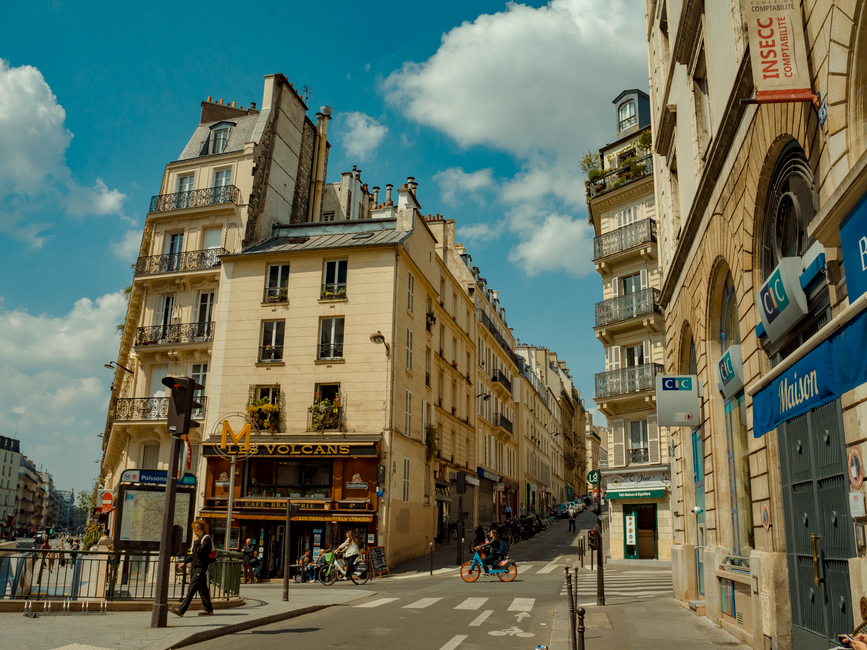
Transit remains central to Paris's green strategy. Investment in the RATP network has reduced commute times on Line 4 by 12%, encouraging modal shift away from cars. Meanwhile, the vélib' scheme has expanded to 1,450 stations citywide, with usage among residents over 55 doubling since 2024.
Not everything runs smoothly. Construction disruptions on Rue de Rivoli and delays in connecting suburban districts to expanded recycling networks have frustrated some. Yet polling suggests 67% of Parisians now view climate action as essential to their quality of life—a dramatic shift from 2022.
For residents navigating daily life in Paris, these initiatives aren't abstract policy. They're cleaner air, lower bills, safer cycling routes, and stronger communities. That's why the green revolution matters here.
This article was compiled by AI from the sources linked above and screened before publishing. See our editorial standards.