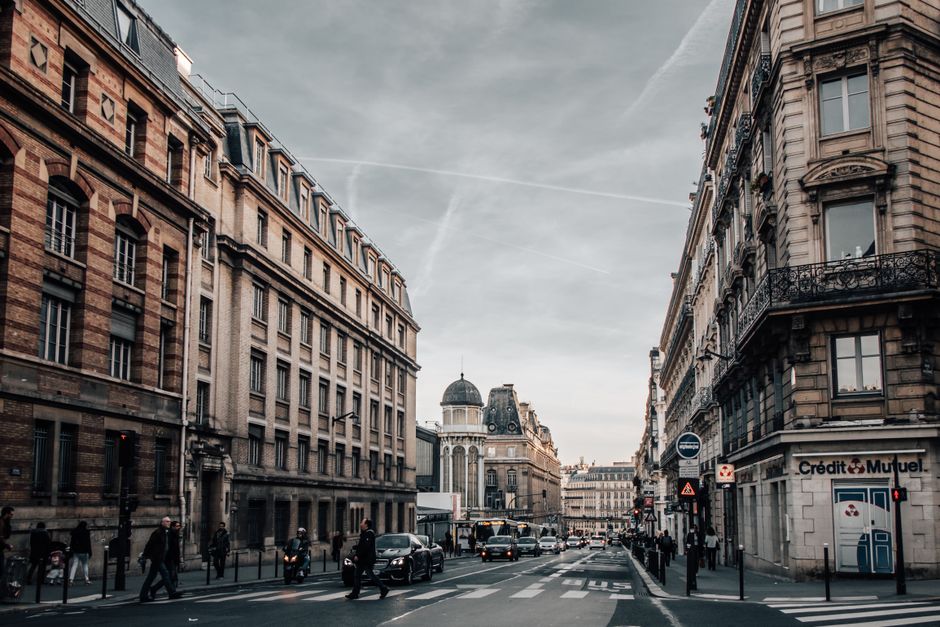
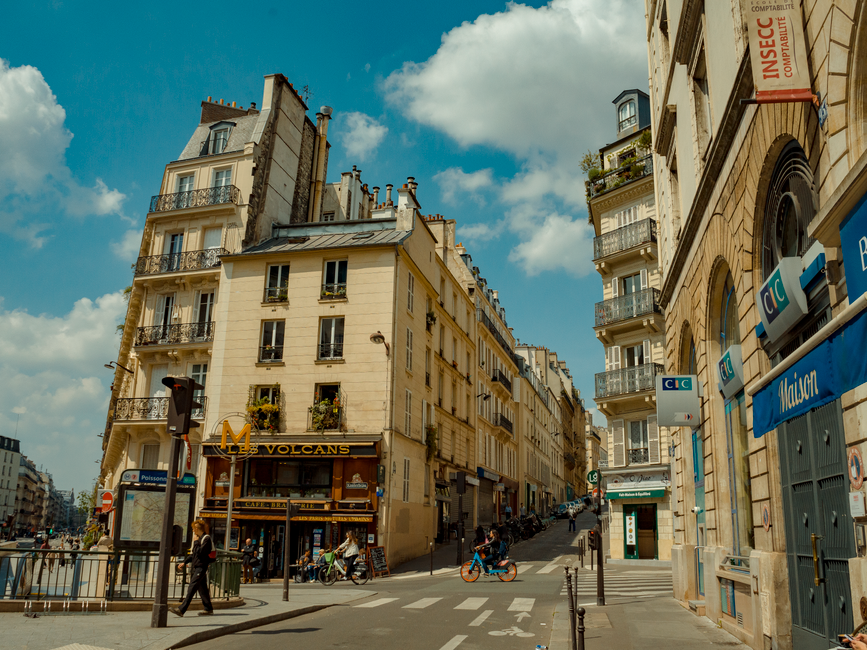
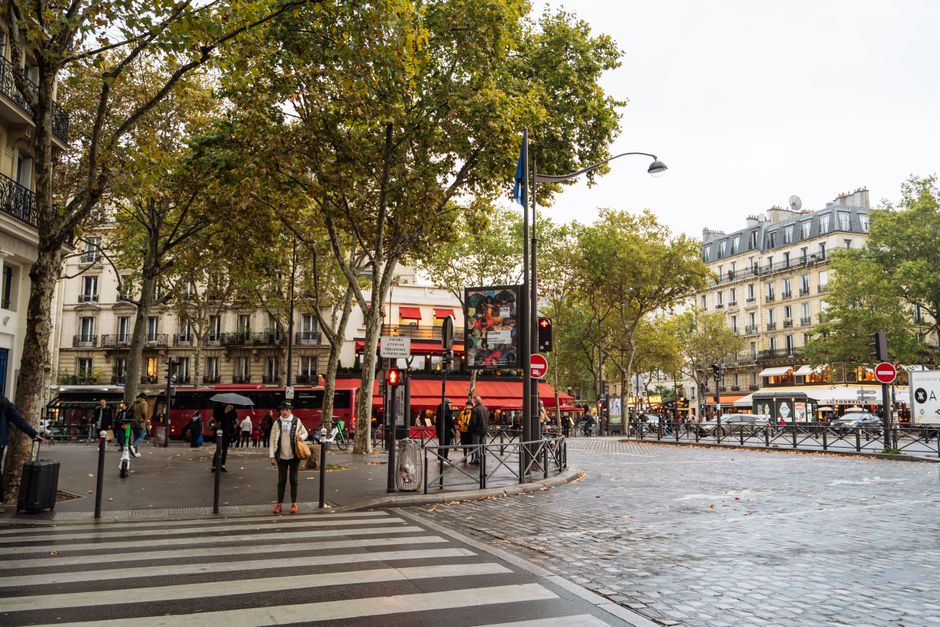
On a humid Saturday afternoon in the 11th arrondissement, Rue Oberkampf hums with an unfamiliar sound: the gentle scrape of sandpaper, the whir of sewing machines, and volunteers patiently explaining how to patch a beloved leather jacket. Inside an unassuming warehouse near Place Voltaire, Repair Café Paris—one of the capital's fastest-growing community initiatives—is hosting its bi-weekly gathering, and every workstation is occupied.
What began three years ago as a modest experiment in one neighbourhood has evolved into a network addressing a crisis that many Parisians face in silence: the spiralling cost of living that makes replacing broken items feel impossible rather than inevitable.
"People aren't just coming here to fix things," explains a volunteer coordinator at the Rue Oberkampf location, speaking on condition of anonymity. "They're discovering that their neighbour in the studio upstairs is also struggling, that the retired teacher two doors down has carpentry skills, that community actually means something practical." The café has expanded from serving 40 visitors monthly in 2024 to over 350 in recent months, with waiting lists for the popular electronics repair stations.
The impact extends beyond individual wallet relief. Data from Paris's municipal housing office indicates that residents in the 11th and 20th arrondissements—neighbourhoods with median rents climbing toward €800 monthly for a one-bedroom apartment—report 23 per cent higher engagement in local community activities since repair cafés established permanent venues. Social isolation metrics, historically concerning for single-person households in Paris, have shifted measurably in these zones.
Other neighbourhoods are taking notice. The 10th arrondissement's Canal Saint-Martin area is launching its own facility in July, while the 13th is exploring partnerships with existing makerspaces. City officials acknowledge that while repair culture cannot solve structural housing crises, it addresses both environmental sustainability targets and the psychological weight of precarity.
What's remarkable is the organic nature of these spaces. Unlike municipal programmes requiring bureaucratic navigation, repair cafés operate on trust and reciprocity. A graphic designer teaches sewing; a plumber learns leather restoration. The French concept of *bricolage*—improvisation and resourcefulness—has found modern expression in a generation facing economic uncertainty.
For residents accustomed to Paris's reputation for individualism and consumer culture, these gathering spaces represent something quieter but profound: a reminder that neighbourhoods, properly nurtured, can become resilient communities. In an era of fragmentation, that matters more than any successfully repaired toaster.
This article was compiled by AI from the sources linked above and screened before publishing. See our editorial standards.