Twenty Years of Change: How Paris Became Europe's Gateway for African Migration
From colonial ties to modern sanctuary, the story of Paris's multicultural fabric reveals decades of policy shifts, economic forces, and human resilience.
From colonial ties to modern sanctuary, the story of Paris's multicultural fabric reveals decades of policy shifts, economic forces, and human resilience.
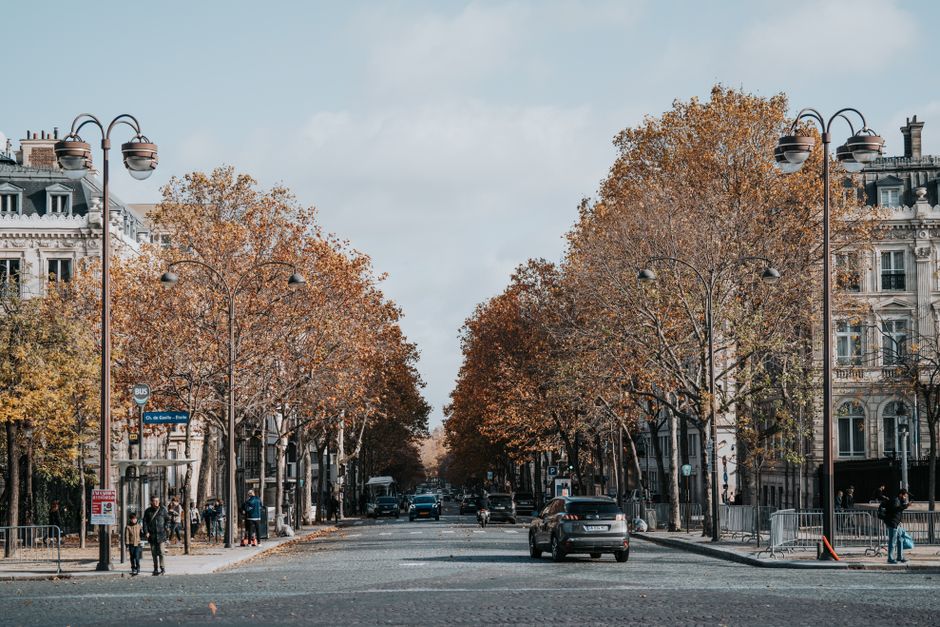
Walk through the Marais on a Saturday afternoon or browse the market stalls along Rue Dejean in Château-Rouge, and you encounter a Paris that looks radically different from the city of fifty years ago. Today, roughly 28% of Paris residents have at least one parent born abroad, a demographic transformation that didn't happen overnight but rather accumulated through waves of migration, changing European policy, and global economic upheaval.
The roots run deep into France's colonial past. Decades of French rule in West and Central Africa created networks—familial, linguistic, institutional—that shaped where people eventually sought opportunity. When those former colonies faced political instability or economic stagnation in the 1990s and 2000s, Paris became a natural destination. The city's established communities in the 10th and 11th arrondissements, where West African restaurants now line the streets, acted as anchors for newcomers.
The pivotal moment came around 2004, when France's restrictive family reunification policies began showing cracks under humanitarian pressure. Economic migrants from the Sahel region, fleeing drought and conflict, arrived in increasing numbers. Simultaneously, European Union enlargement meant shifting migration patterns—Eastern European workers moved west, creating labour vacancies that drew workers from further afield. By 2015, the refugee crisis amplified these movements, with Paris absorbing Syrian, Afghan, and Pakistani asylum seekers alongside ongoing economic migration from West Africa.
Housing has been the grinding reality throughout. A studio apartment in the 18th or 19th arrondissements now rents for €650-800 monthly, forces that squeeze both migrant and native Parisians alike. Organisations like France terre d'asile have expanded their operations in the Belleville area, processing asylum claims and offering integration support to thousands annually. The integration infrastructure—language courses, job training, legal aid—has grown to meet demand, though advocates argue it still falls short.
Today's Paris embodies this accumulated history. The construction of the Grande Mosquée de Paris's new cultural centre, completed in 2022, reflected both the scale of the Muslim population and the city's complex negotiations with religious identity. Meanwhile, business districts like La Défense now advertise multilingual workforces as assets, a far cry from earlier decades when immigration was framed primarily as a social challenge.
Understanding Paris's current multicultural landscape requires recognising it wasn't inevitable but rather the product of specific historical moments, policy decisions, and the agency of migrants themselves building lives in the city.
This article was compiled by AI from the sources linked above and screened before publishing. See our editorial standards.
How does this story make you feel?
Spread the word
About this article
Published by The Daily Paris
Daily brief
Free, in your inbox before 7am. Weekdays.
More in News