Marais Residents Push Back Against City's Controversial Density Plans
Community voices in Paris's historic 4th arrondissement are demanding a say in municipal proposals that could reshape the neighbourhood's character.
Community voices in Paris's historic 4th arrondissement are demanding a say in municipal proposals that could reshape the neighbourhood's character.
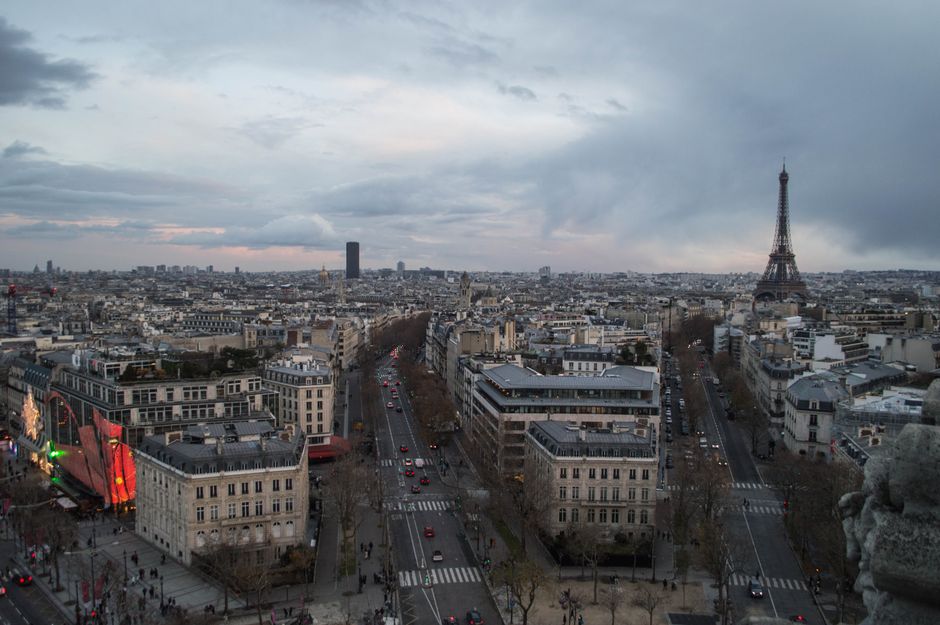
Residents across the Marais are voicing serious concerns about Paris City Hall's latest urban development initiative, which would permit denser residential construction in one of the capital's most tightly-packed neighbourhoods. The proposal, unveiled by the municipal housing office last month, has sparked heated debate at community meetings from Place des Vosges to Rue de Rivoli.
The scheme would allow developers to add an estimated 2,000 additional residential units across the 4th arrondissement over the next five years—a 12 per cent increase in housing stock. While city officials frame this as essential for tackling Paris's chronic housing shortage, where median rents now exceed €28 per square metre, locals argue the plans ignore existing infrastructure limits.
"We already have nowhere to park, the schools are overcrowded, and bin collection is chaotic," said a community spokesperson from the Marais residents' association following a tense public consultation at the Hôtel de Soubise last week. Concerns centre on preservation of the neighbourhood's architectural integrity, with many residents noting that the Marais's narrow medieval streets were never designed for contemporary population densities.
The issue has divided local stakeholders. Youth housing advocates and young professionals struggling to find affordable flats in central Paris view the proposal sympathetically, particularly given that studio apartments in the area now fetch €850-950 monthly. Environmental groups, however, worry about green space loss and increased traffic congestion already plaguing Rue Saint-Antoine and Boulevard Beaumarchais.
Shopkeepers along Rue des Rosiers and Rue Vieille du Temple report mixed feelings. Some fear rising property values will accelerate business displacement, whilst others see potential for new customers. "We've watched rents climb 40 per cent in a decade," one long-standing vintner noted. "More residents might help, but not if it destroys what makes this neighbourhood distinctive."
The municipal government, led by its housing department, emphasises that Paris needs approximately 30,000 new homes annually to accommodate migration pressures and student populations. Officials point to similar density increases successfully managed in the 13th and 15th arrondissements over recent years.
A revised proposal is expected in July following further consultations at neighbourhood mairies. Residents' associations have announced they will submit formal objections, whilst the mayor's office has committed to addressing infrastructure concerns before final approval. The outcome will test whether Paris can balance housing urgency against community concerns—a tension echoing across Europe's congested capitals.
This article was compiled by AI from the sources linked above and screened before publishing. See our editorial standards.
How does this story make you feel?
Spread the word
About this article
Published by The Daily Paris
Daily brief
Free, in your inbox before 7am. Weekdays.
More in News