"They're Pushing Us Out": Residents Voice Alarm Over Paris's New High-Density Housing Plans
As City Hall fast-tracks apartment conversions across the 11th and 13th arrondissements, longtime inhabitants warn that affordable Paris is disappearing.
As City Hall fast-tracks apartment conversions across the 11th and 13th arrondissements, longtime inhabitants warn that affordable Paris is disappearing.
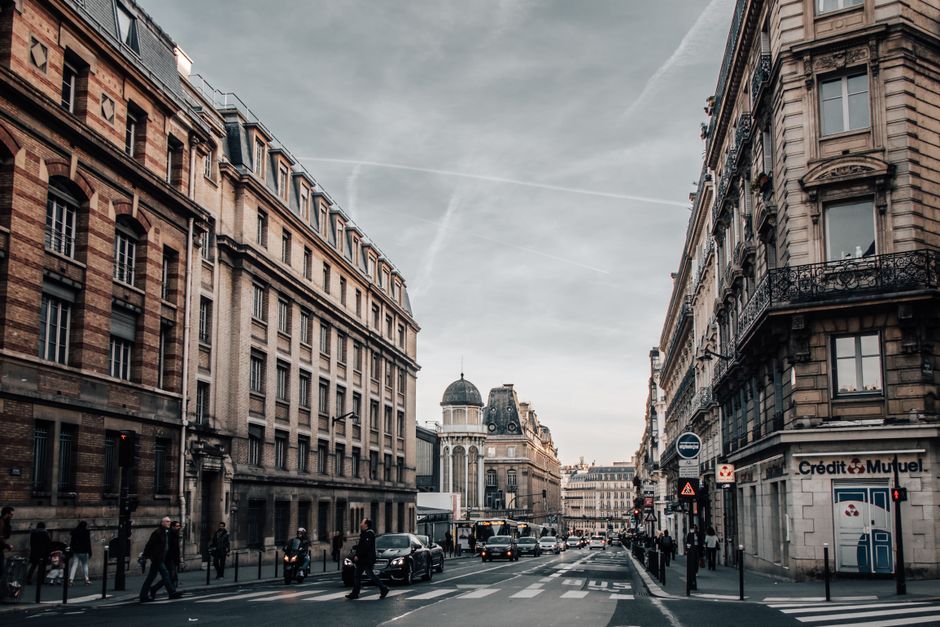
The conversion notices arrived quietly in late spring: dozens of Haussmann-era buildings along rue de Turenne and the Canal Saint-Martin would be retrofitted into micro-apartments within eighteen months. For residents who have anchored their lives in these neighbourhoods for decades, the message felt unmistakable. Change was coming, whether they could afford it or not.
Paris's ambitious new housing strategy—officially unveiled by Deputy Mayor for Urban Planning this spring—aims to add 12,000 new residential units annually across central arrondissements through aggressive zoning reforms and building conversions. City officials frame it as essential infrastructure for a population increasingly priced out of the capital. But on the ground, community voices paint a more complicated picture.
"My family paid €650 a month for a three-room flat on rue de la Fontaine-au-Roi since 1998," said one resident of the 11th arrondissement, speaking on condition of anonymity. "The landlord sent notice last month. New micro-units will rent for €1,200 minimum. Where am I supposed to go?" This scenario is repeating across inner Paris. Median rents in the 11th have surged 34 percent since 2020, according to local property data.
The 13th arrondissement, traditionally more affordable with its clusters of post-war housing stock, faces perhaps the steepest transformation. Plans to demolish low-rent blocks near the Paris-Bercy train station and rebuild at higher density have drawn organised resistance from the Collectif pour Belleville et Buttes-aux-Cailles—neighbourhood associations arguing that displacement will shatter communities already fragile from years of gentrification pressure.
"The mathematics don't work," explained one coordinator for a residents' advocacy group operating from their office near place de la Bastille. "They promise 30 percent of new units will remain 'affordable'—that means €900 for a studio. That's not affordable for someone earning median Parisian wages."
City planners counter that doing nothing guarantees worse outcomes: soaring homelessness, workers commuting two hours from outer suburbs, environmental strain from urban sprawl. They point to recent commitments requiring developers to meet stricter social-housing targets.
Yet the tension remains unresolved. Public consultation sessions scheduled for July at Maison des Associations in the 10th arrondissement and the Bibliothèque François-Mitterrand will test whether City Hall can bridge the gap between housing ambition and community survival. For residents watching their neighbourhoods transform, the outcome feels personal and urgent.
This article was compiled by AI from the sources linked above and screened before publishing. See our editorial standards.
How does this story make you feel?
Spread the word
About this article
Published by The Daily Paris
Daily brief
Free, in your inbox before 7am. Weekdays.
More in News


