Paris stands at a crossroads. With average rents in the Marais and Saint-Germain-des-Prés now surpassing €30 per square metre—pricing out young families and service workers—the municipality must navigate three interrelated decisions that will determine whether the capital remains liveable for all or becomes a hollowed-out monument to the wealthy.
The first challenge concerns vertical development. Deputy Mayor Anne Hidalgo's administration has signalled openness to strategic densification in lower-rise neighbourhoods like Belleville and Ménilmontant, where six-storey apartment buildings could accommodate 15,000 additional residents within five years. Yet vocal opposition from heritage preservation groups and existing residents threatens to stall projects. The decision to greenlight or restrict such construction will reshape Paris's demographic profile fundamentally.
Second, the city must decide how aggressively to enforce affordable housing quotas in new developments. Current regulations require 25 per cent of units in large projects to remain affordable for twenty years, but developers increasingly pay penalties instead of building inclusionary housing. The Île-de-France regional government has proposed raising the quota to 40 per cent—a move that could either catalyse genuine mixed-income neighbourhoods or push construction entirely to outer suburbs, exacerbating commute times and sprawl.
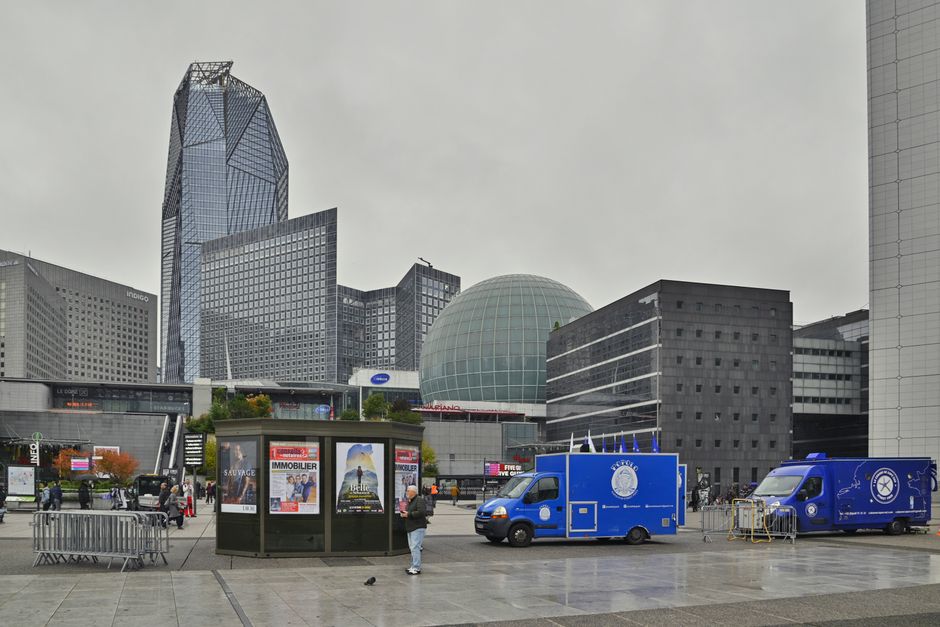
The third decision concerns the banlieue integration strategy. The Île-de-France Mobilités transport authority is mapping a €20 billion suburban rail overhaul, specifically designed to create satellite employment hubs in places like La Défense and Créteil. This could relieve Paris's impossible property market by dispersing both housing demand and job opportunities. But success depends on consistent, multi-year political commitment—something past administrations have failed to deliver.
Real estate industry analysts warn that without decisive action, Paris risks the fate of London or Amsterdam: a city-centre increasingly dominated by short-term rentals and investment portfolios rather than residents. The Conseil d'Architecture, d'Urbanisme et de l'Environnement (CAUE) Île-de-France has urged the mayor's office to publish a master plan by September detailing which neighbourhoods will accommodate growth and which will remain protected.
The stakes extend beyond Paris itself. France's political right has weaponised housing scarcity as evidence of progressive mismanagement, while housing advocates argue only radical intervention can prevent generational displacement. As the 2027 municipal elections approach, these decisions will become flashpoints. City officials face mounting pressure from both sides—and limited runway to act.
This article was compiled by AI from the sources linked above and screened before publishing. See our editorial standards.