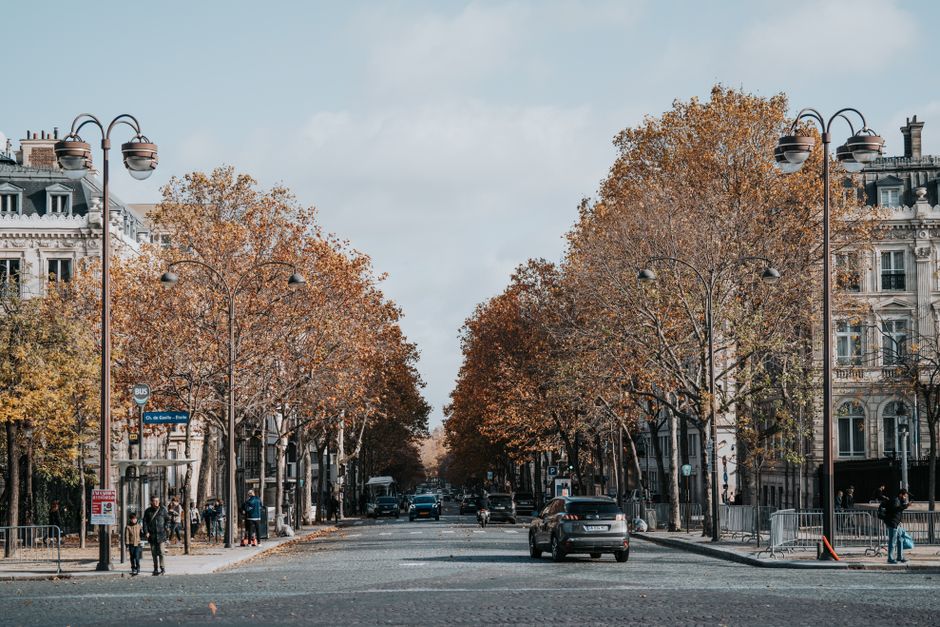
For nearly a decade, Parisians have heard promises about the Grand Paris Express—the sprawling metropolitan rail network designed to ease congestion and knit together the sprawling banlieues with the capital's historic core. Now, as construction crews begin excavation work along Rue de Turenne in the Marais and through Belleville's narrow residential streets, the abstract future has become concrete reality, literally reshaping daily life for thousands of residents.
The latest phase of the €38 billion infrastructure project will extend the automated Line 15 from its current terminus at Pont de Sevres, threading through some of Paris's most densely populated and culturally vibrant neighbourhoods. For commuters currently enduring 45-minute metro journeys from the 11th and 20th arrondissements into central business districts, the reduction to 20 minutes represents genuine relief. Transport planners estimate the new line will absorb approximately 150,000 daily passenger journeys once operational in 2030, easing pressure on chronically overloaded Lines 1 and 4.
But the transition period exacts a price. Local business associations report deepening anxiety as street-level access becomes increasingly constrained. On Rue de Belleville—already struggling to compete with online retail—merchants describe declining foot traffic as construction barriers proliferate. Rent reductions of 10 to 15 percent have become common, according to data from the Belleville Chamber of Commerce, threatening the area's independent café culture that has historically drawn residents and tourists alike.
Residential disruptions cut deeper. Noise levels regularly exceed 85 decibels during daytime excavation, and underground vibrations have triggered minor structural concerns in 19th-century buildings lining Rue Saint-Maur. The municipality has established a compensation fund—currently at €2.4 million—for residents affected by cracks or other structural damage, though processing claims remains bureaucratically sluggish.
Yet planners and civic leaders emphasize the larger prize. Reduced congestion on existing metro lines means cleaner air throughout central Paris, while accessibility improvements for disabled residents represent significant quality-of-life gains often overlooked in cost-benefit analyses. The project is also generating roughly 3,200 temporary construction jobs, with local hiring quotas ensuring that Belleville and Marais residents capture meaningful employment opportunities.
The Paris City Council's transportation committee has scheduled community forums throughout July and August, specifically designed to give residents direct input on project management and compensation structures. Real change remains possible, though construction machinery continues its relentless advance.
This article was compiled by AI from the sources linked above and screened before publishing. See our editorial standards.