Paris's Bold Urban Renewal Outpaces London and Berlin in affordable housing push
As European capitals grapple with affordability crises, Paris's aggressive intervention in the rental market is reshaping how cities tackle gentrification.
As European capitals grapple with affordability crises, Paris's aggressive intervention in the rental market is reshaping how cities tackle gentrification.
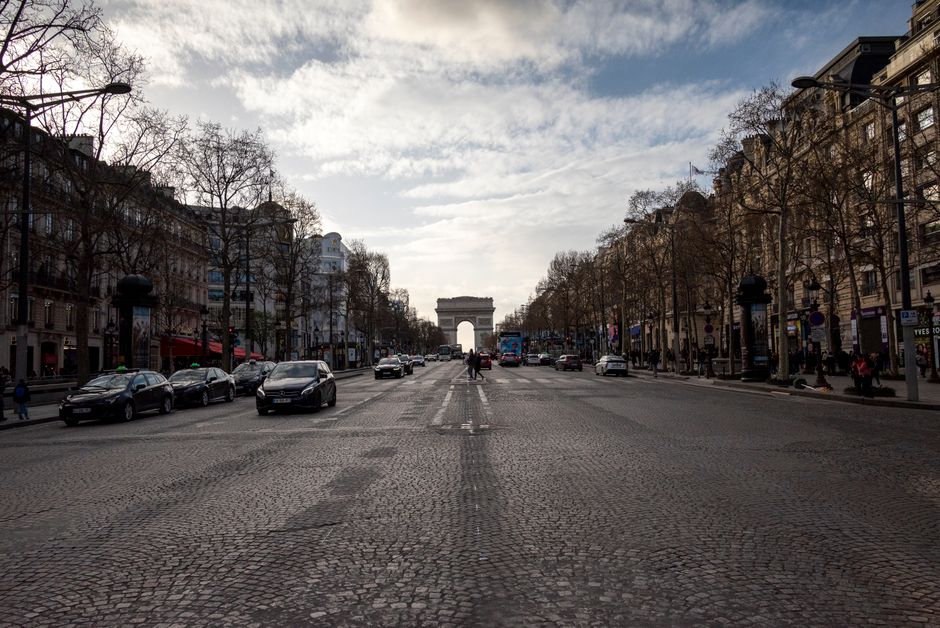
Paris's city government has accelerated its social housing programme this year, approving 2,847 new affordable units across the 20 arrondissements—a 34 percent increase from 2025. The strategy puts France's capital ahead of comparable European cities struggling with similar pressures, though critics argue the pace remains insufficient given chronic shortages.
The initiative centres on converting vacant commercial spaces in the Marais, Belleville, and along the Canal Saint-Martin into mixed-income housing. In the 11th arrondissement alone, three former office buildings will become homes for roughly 400 residents earning between €1,200 and €2,400 monthly—a crucial bracket as average rents for a one-bedroom apartment now exceed €900.
"We're not waiting for market forces," said a spokesperson for Paris's urban planning department. "The comparison with London and Berlin shows cities that moved slower are now locked into permanent affordability crises."
London, by contrast, has relied more heavily on private developers' voluntary contributions. Berlin's recent freeze on rent increases—now challenged in courts—attempted price control rather than supply creation. Both approaches have drawn criticism from housing advocates who point to Paris's direct intervention model.
The funding mechanism proves crucial. Paris allocated €450 million from its municipal budget and European development funds, supplemented by a 5 percent tax on vacant properties—a measure that generated €28 million last year. The city also tightened short-term rental regulations around major tourist zones like the Latin Quarter and Île de la Cité, reclaiming approximately 1,200 units for long-term residents.
However, challenges persist. Construction timelines stretch 18-24 months, meaning housing shortages will worsen before improving. Transportation infrastructure in outer arrondissements like the 19th and 20th hasn't kept pace with development, potentially pushing affordability problems outward rather than solving them.
Some economists question whether the model proves sustainable. Munich and Amsterdam, often cited as success stories, benefited from stronger regional employment diversity and smaller overall populations. Paris's metropolitan area exceeds 12 million residents, making comparisons imperfect.
Still, the city's willingness to deploy municipal assets and regulatory tools sets it apart in 2026. As housing becomes a defining political issue across Europe, Paris's experiment suggests that aggressive public intervention—while incomplete—offers an alternative to the market-driven approaches that have accelerated inequality in peer cities.
Results will clarify the approach's true effectiveness by 2028, when the first major cohort of new units enters occupancy.
This article was compiled by AI from the sources linked above and screened before publishing. See our editorial standards.
How does this story make you feel?
Spread the word
About this article
Published by The Daily Paris
Daily brief
Free, in your inbox before 7am. Weekdays.
More in News