How Paris Became Europe's Crossroads: Tracing the City's Migration Story Back to Its Roots
From post-war labour shortages to today's diverse neighbourhoods, understanding the forces that shaped the capital's multicultural fabric.
From post-war labour shortages to today's diverse neighbourhoods, understanding the forces that shaped the capital's multicultural fabric.
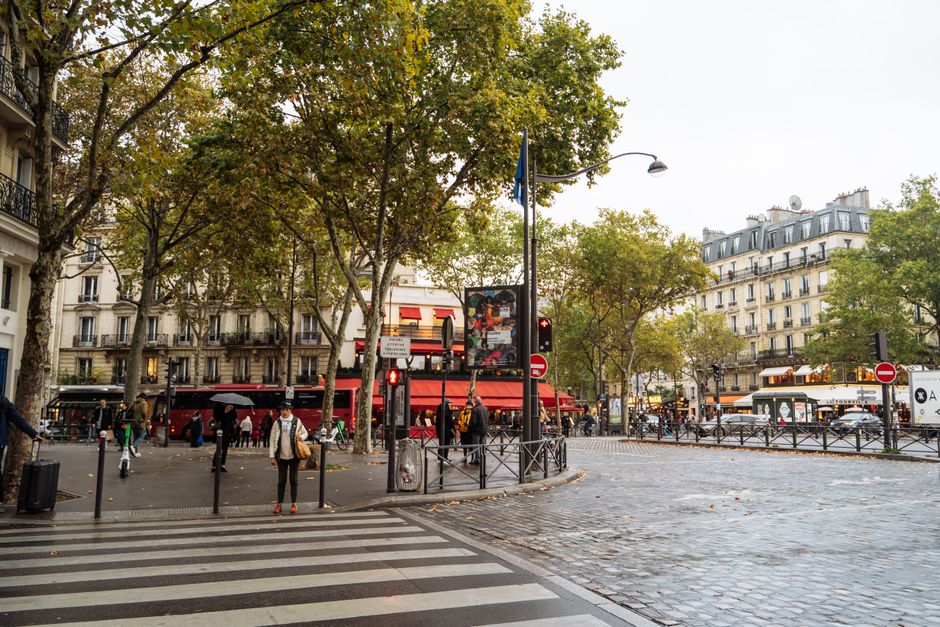
Walk through the 10th and 11th arrondissements today, and you'll hear conversations in Arabic, Bengali, Portuguese, and Mandarin alongside French. Yet this cosmopolitan reality didn't emerge overnight. To understand Paris's current migration landscape, we must look back at the economic decisions and geopolitical shifts that fundamentally transformed the city over seven decades.
The foundation was laid in the 1950s, when France faced acute labour shortages as it rebuilt after the Second World War. Factories along the Seine, construction sites across the city, and service industries desperately needed workers. The government actively recruited from former colonies—Algeria, Mali, Senegal, and Morocco—offering contracts that promised wages far exceeding those at home. By the 1960s, tens of thousands arrived, clustering in newly constructed high-rises on the city's periphery: Clichy-sous-Bois, Aubervilliers, and La Courneuve became the industrial heartland.
But the 1973 oil crisis shifted everything. As France's economy contracted, the government halted recruitment and passed legislation restricting immigration. Yet family reunification clauses meant spouses and children continued arriving, establishing permanent communities where temporary workers had been expected. This legal paradox created generational divides that persist today: families rooted for decades, yet often living in the same deteriorating housing stock built fifty years prior.
The 1980s and 1990s brought new migration waves. Vietnamese, Laotian, and Cambodian refugees fleeing Southeast Asian conflicts settled in the 13th arrondissement, transforming Rue Baudricourt into Paris's thriving Asian quarter. Meanwhile, civil wars in West Africa and economic collapse in Eastern Europe sent new populations seeking refuge. By 2000, over 1.3 million foreign-born residents lived in the Île-de-France region—approximately 20 percent of the population.
Today's Paris reflects this accumulated history. The city's multicultural character isn't a recent phenomenon but rather the inevitable outcome of decades of economic interdependence, legal frameworks governing family reunification, and humanitarian responses to global crises. Organisations like France-Terre d'asile and the Maison de l'Égalité continue advocating for integration policies, while neighbourhood associations in Belleville and the Marais negotiate longstanding cultural tensions.
Recent demographic shifts—including increased migration from post-colonial Africa and South Asia—have intensified conversations about housing, employment, and social cohesion. Average rent in the 11th arrondissement now exceeds €900 monthly, pushing working-class families further from the centre. Understanding how we arrived at this point isn't merely historical curiosity; it's essential context for addressing contemporary challenges facing Europe's most diverse capital.
This article was compiled by AI from the sources linked above and screened before publishing. See our editorial standards.
How does this story make you feel?
Spread the word
About this article
Published by The Daily Paris
Daily brief
Free, in your inbox before 7am. Weekdays.
More in News