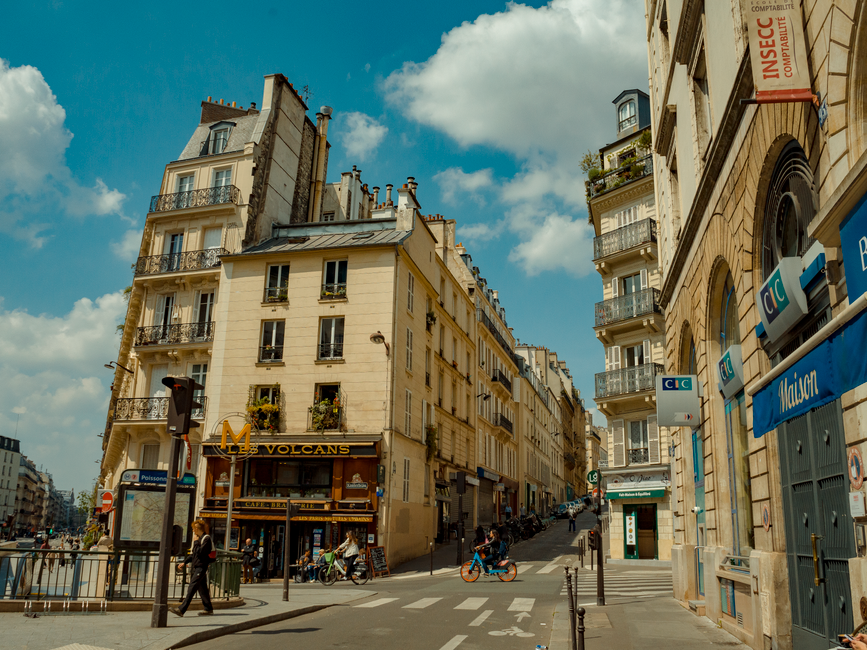
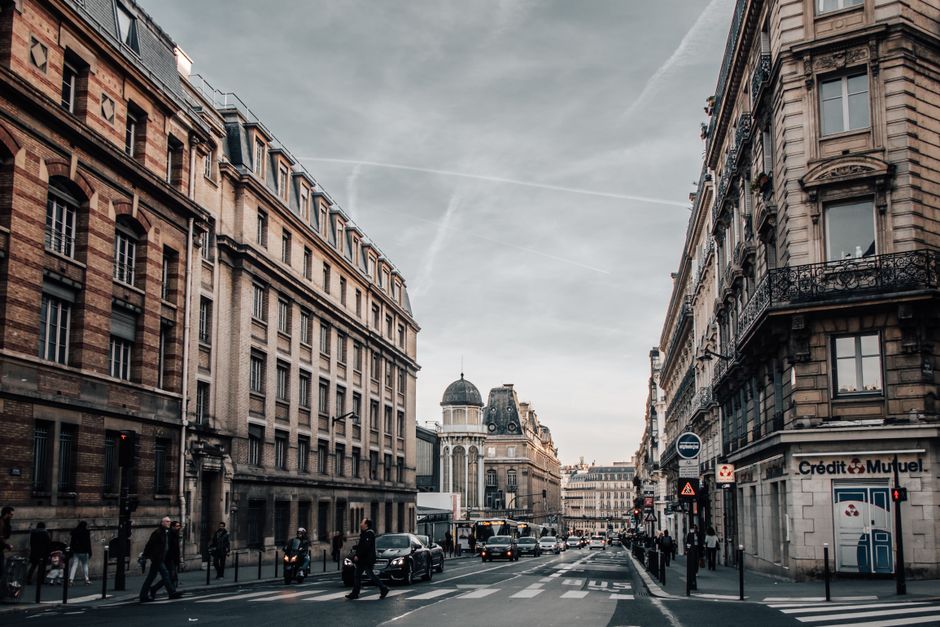
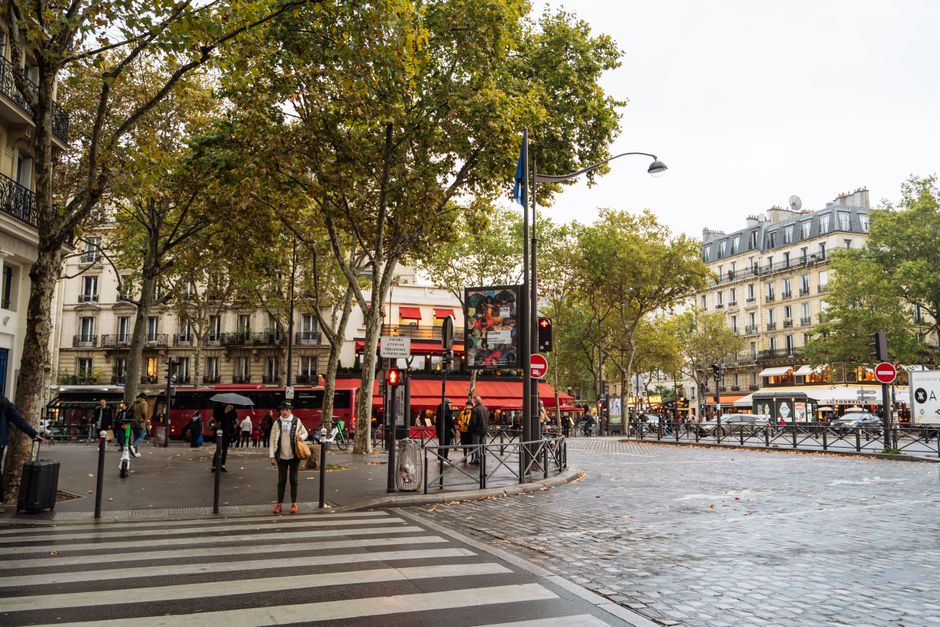
Walking along the Canal Saint-Martin today, where renovated loft conversions now command upwards of €12,000 per square metre, it is difficult to imagine that thirty years ago, this neighbourhood housed generations of working-class Parisians in affordable apartments. Yet the trajectory from that earlier Paris to today's property market reflects a cascade of planning decisions, economic shifts, and ideological turns that deserve scrutiny as the city grapples with a housing crisis.
The foundations were laid in the 1990s, when Paris municipalities began liberalising zoning restrictions in historically industrial districts. The Marais, once a manufacturing hub, was systematically rezoned for residential conversion. The logic seemed sound: revitalise neglected quartiers, attract young professionals, generate tax revenue. But the mechanism proved ruthless. By 2010, average prices in these reclaimed neighbourhoods had tripled. The working-class residents—concierges, shopkeepers, factory workers—were gradually displaced northward toward Belleville and the 19th arrondissement.
A second wave arrived after 2015, when the Macron administration accelerated foreign investment rules and relaxed restrictions on short-term holiday rentals through platforms like Airbnb. City Hall statistics showed that by 2023, nearly 60,000 Parisian apartments were listed as tourist accommodation—roughly equivalent to a medium-sized neighbourhood's entire housing stock. Long-term rental supply evaporated; landlords abandoned conventional tenancy for higher-yielding tourist bookings.
Meanwhile, planning departments continued approving luxury mixed-use developments: the Île Seguin redevelopment near Boulogne-Billancourt, new office-residential towers in La Défense's spillover zones, and high-end conversion projects across the 7th and 8th arrondissements. Public housing construction, which comprised 40 per cent of Paris building permits in 1980, had fallen to just 15 per cent by 2025. The city's stated target remains 25 per cent, yet annual delivery remains stubbornly below 10 per cent.
The human consequence is stark. According to 2024 municipal data, median rents in central Paris reached €1,850 for a two-bedroom flat—nearly 60 per cent of the average household income. Social housing waiting lists exceeded 150,000 applicants. Young families, nurses, teachers, and service workers increasingly commuted from Fontainebleau or beyond, hollowing out the city's social diversity.
Today, as new metropolitan planning frameworks emerge and debates intensify about density, affordability, and preservation, Paris stands at a crossroads. The question is no longer whether the city's housing model is broken—evidence is undeniable—but whether policymakers can reverse course, or whether Paris will simply become what many fear: a museum of elegance for the very wealthy, and everyone else commuting from the suburbs.
This article was compiled by AI from the sources linked above and screened before publishing. See our editorial standards.