Paris's Housing Crisis Demands New Solutions—But How Does It Stack Up Globally?
As the French capital grapples with skyrocketing rents and shrinking affordable stock, city planners are borrowing tactics from Vienna to Seoul—with mixed results.
As the French capital grapples with skyrocketing rents and shrinking affordable stock, city planners are borrowing tactics from Vienna to Seoul—with mixed results.
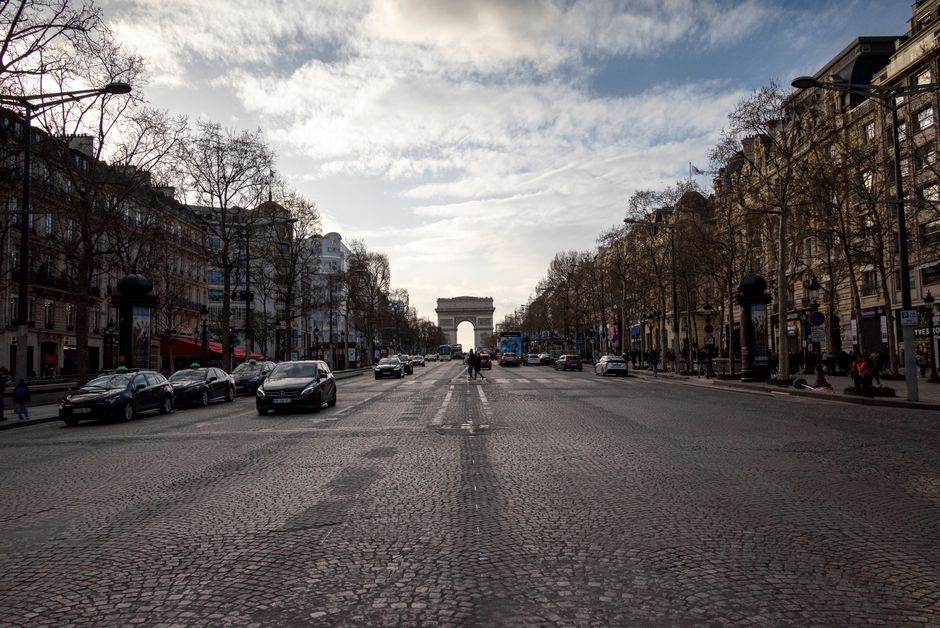
Walk through the 11th arrondissement today and you'll find studio apartments renting for €800 monthly—a figure that would have seemed unthinkable a decade ago. Paris faces a housing crunch that rivals London and Amsterdam, forcing municipal authorities to rethink urban development at a pace rarely seen in the city known for protecting its architectural heritage.
The numbers tell a stark story. Average rents across central Paris have climbed 34% since 2015, while construction of new housing units has lagged demand by roughly 15,000 units annually. The city's response—ambitious zoning reforms along the Seine and conversion projects in districts like Belleville and Oberkampf—mirrors strategies being deployed elsewhere, though Paris's approach carries distinctly French constraints.
Vienna has long been Paris's quiet competitor in the housing-policy arena. The Austrian capital maintains strict rent controls and dedicates 20% of new construction budgets to social housing. Paris currently targets only 15%, a gap city officials have acknowledged as insufficient. Meanwhile, Seoul's aggressive mixed-income development model has inspired Parisian planners to reconsider traditional neighbourhood segregation, though implementing similar density increases near landmarks like Notre-Dame remains politically fraught.
The city's recent decision to accelerate permitting for mid-rise residential buildings in peripheral zones—particularly around Porte de la Chapelle and near Orly Airport—reflects lessons drawn from Berlin's more flexible approach to development. Yet critics argue Paris moves cautiously where Berlin and Barcelona have acted boldly, protecting green spaces and heritage at the expense of housing supply.
Barcelona's superblock initiative, prioritizing pedestrian access over parking, has influenced Paris's redesign of Place de la République and streets connecting the Marais to République métro station. These experiments suggest that housing policy increasingly intertwines with mobility and environmental concerns—a complexity that distinguishes 21st-century urban planning from earlier decades.
Émile Zuccarelli, director of urban planning at the Mairie de Paris, has emphasized the city's commitment to keeping Paris liveable while addressing supply gaps. The administration's €1.2 billion investment in social housing over the next five years represents a significant commitment, though housing advocates argue it remains modest compared to Vienna's public expenditure relative to population.
The real test arrives in 2027, when zoning changes take full effect. Whether Paris can absorb thousands of new residents while preserving the character that makes it irreplaceable—something neither Vienna, Barcelona, nor Seoul have managed completely—remains the defining question for a city caught between growth and identity.
This article was compiled by AI from the sources linked above and screened before publishing. See our editorial standards.
How does this story make you feel?
Spread the word
About this article
Published by The Daily Paris
Daily brief
Free, in your inbox before 7am. Weekdays.
More in News