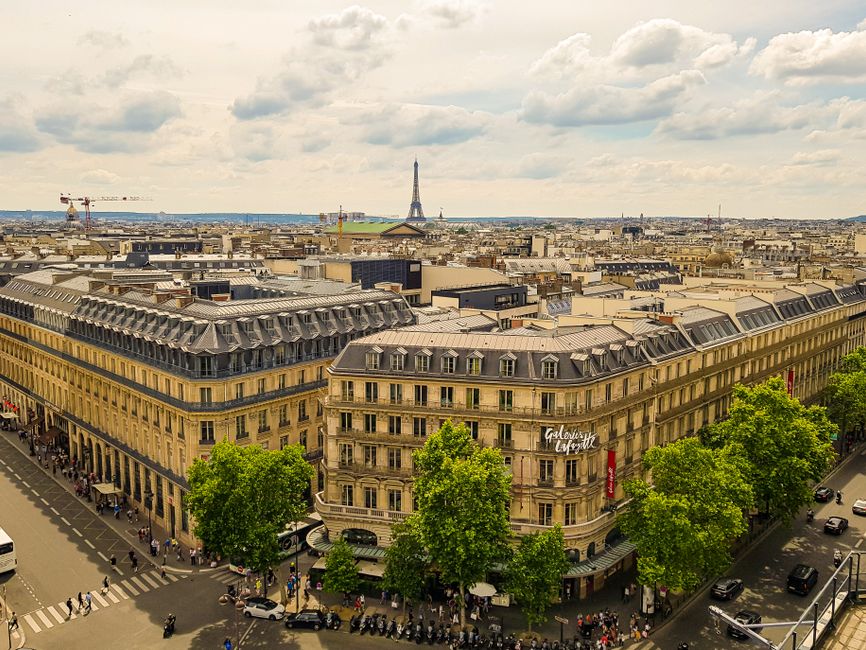
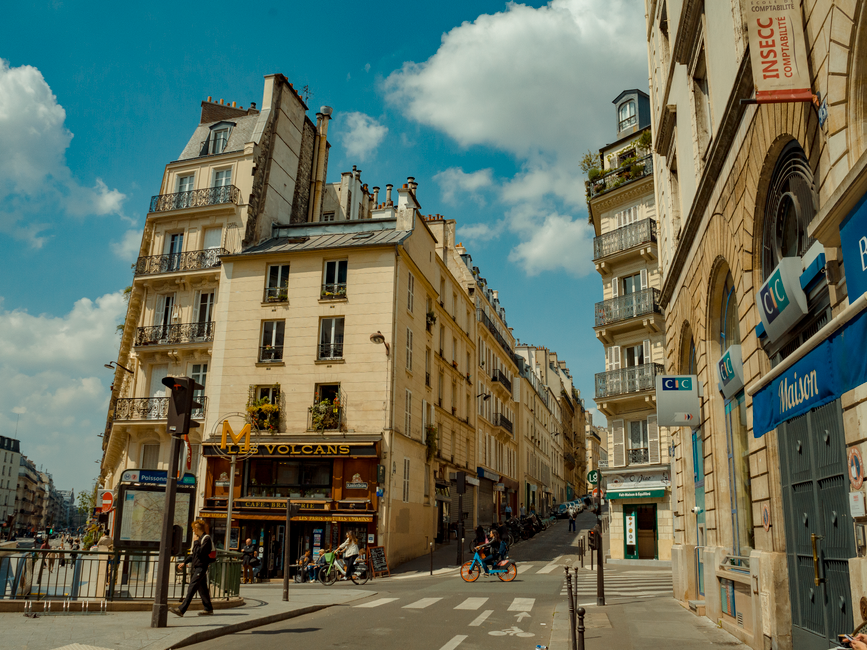
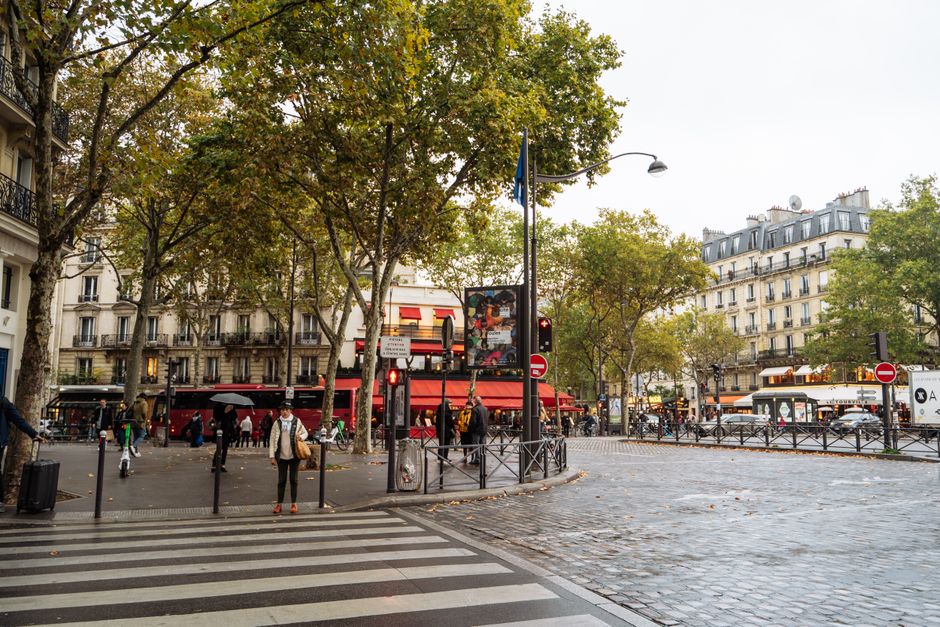
The métro station at Oberkampf buzzes with construction noise these days, but beneath the sound of renovation lies a quieter crisis. Residents of the 11th arrondissement are grappling with a housing transformation that has accelerated dramatically since Paris City Hall approved new urban planning guidelines in March, allowing developers to convert residential units into short-term tourist accommodation with greater ease.
"In three years, I've watched ten families leave Rue de Turenne alone," says Maryse Leclerc, who has managed a social housing cooperative in Belleville for eighteen years. "The average rent here has climbed from €850 to €1,400 per month. Young couples, elderly people on fixed incomes—they simply cannot compete."
The numbers reflect her concerns. According to data from the Chambre des Métiers de Paris, approximately 2,847 residential units across the 10th and 11th arrondissements have been reclassified for tourist use in the past two years—a 34 per cent increase compared to the previous five-year period. Meanwhile, affordable housing stock has declined by 12 per cent.
At the Belleville Community Centre on Rue Piat, residents gathered last week to discuss their experiences with the city's revised planning framework. The consensus was stark: current policies prioritise tourism revenue over community stability.
"My family has lived in this neighbourhood for forty years," explains Antoine Gaspard, a retired schoolteacher whose landlord recently refused to renew his lease. "The building where I raised my children is now being gutted for Airbnb listings. Where am I supposed to go?"
This isn't simply nostalgia. The displacement carries real consequences. Neighbourhood associations report that small shopkeepers—bakers, cobblers, family grocers—are closing as residential populations shrink and commercial rents surge. The fabric of daily life in storied quarters like Oberkampf and Belleville is visibly fraying.
City officials argue the new zoning flexibility generates tax revenue and revitalises aging infrastructure. Yet residents counter that revenue means little if communities dissolve in the process. The Association pour le Droit au Logement has filed formal objections to several planning decisions, arguing the city violated consultation protocols when adopting the guidelines.
As Paris pursues its vision of global competitiveness, those who built these neighbourhoods with their presence and labour find themselves cast as obstacles to progress. The 11th arrondissement's transformation is no longer theoretical—it's happening block by block, lease by lease, and residents are determined to ensure their voices aren't drowned out by the sound of jackhammers.
This article was compiled by AI from the sources linked above and screened before publishing. See our editorial standards.