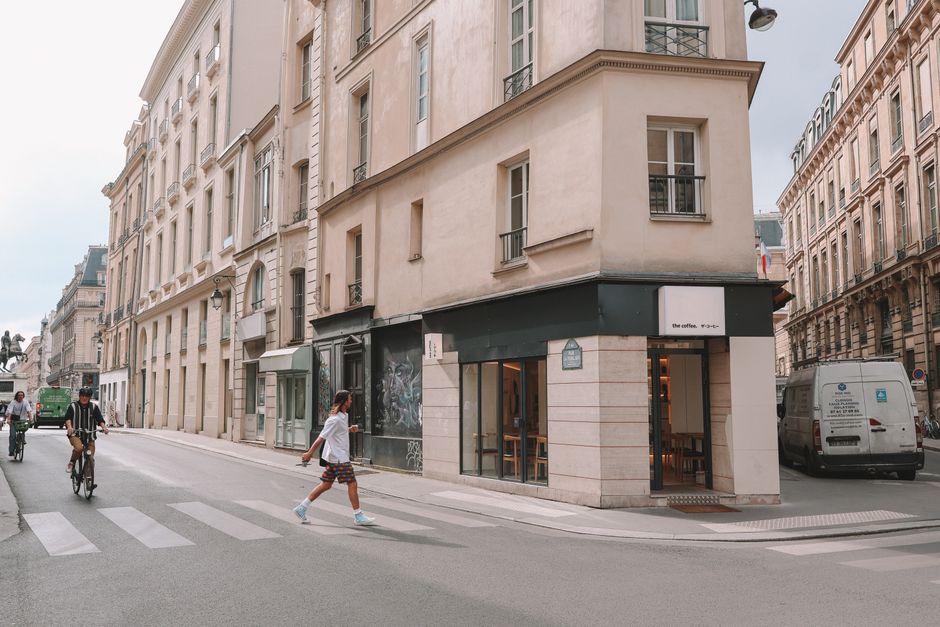
When the City of Paris expanded its cycling infrastructure to 1,000 kilometres of dedicated lanes over the past five years, residents in the 11th arrondissement didn't just gain a commuting option—they gained something harder to quantify: cleaner air and a reclaimed sense of public space. Today, nearly 700,000 cycling trips occur weekly across the capital, a 40 per cent increase since 2021, reshaping how millions navigate their daily routines.
The environmental shift extends far beyond bicycles. At Parc Monceau in the 8th arrondissement, a newly redesigned urban garden initiative has reduced local surface temperature by 2.3 degrees Celsius compared to surrounding concrete zones. For residents like those in the densely populated Belleville district, where summer heatwaves once drove temperatures above 35 degrees, such interventions offer genuine relief.
Yet the sustainability agenda carries real trade-offs. The phased ban on diesel vehicles, intensified in 2025, has forced working-class delivery drivers and small business owners across eastern Paris to invest in electric alternatives—a €40,000 to €60,000 expense that many neighbourhood shops struggle to absorb. The city's €180 million investment in green infrastructure, whilst ambitious, has redirected funding from social services in some quarters, sparking debate in community councils across the Latin Quarter and beyond.
The Seine itself reflects these contradictions. Water quality has improved measurably—bacterial counts dropped by 35 per cent in three years—enabling the iconic riverside zones near Île de la Cité to host swimming areas each summer. Yet the infrastructure investments required to support this, including upgraded wastewater systems beneath the Marais, have created temporary disruptions to neighbourhood traffic and shop access.
Housing costs present another tension. Renovations to meet new energy efficiency standards have accelerated gentrification in traditionally working-class areas like Saint-Denis, with renovation grants favouring larger properties owned by developers rather than modest family apartments. A studio in the 20th arrondissement now costs 18 per cent more than five years ago, partly reflecting green certification premiums.
Still, polling shows 67 per cent of Parisians support these initiatives, understanding that long-term habitability depends on action now. Community gardens in the 5th arrondissement serve 3,000 residents. Air quality index readings have improved by 22 per cent citywide. Children in outer neighbourhoods like Vitry-sur-Seine breathe measurably cleaner air.
Paris's sustainability journey remains incomplete and contested, but its local impact is undeniable—reshaping neighbourhoods, livelihoods, and the fundamental rhythm of urban life.
This article was compiled by AI from the sources linked above and screened before publishing. See our editorial standards.