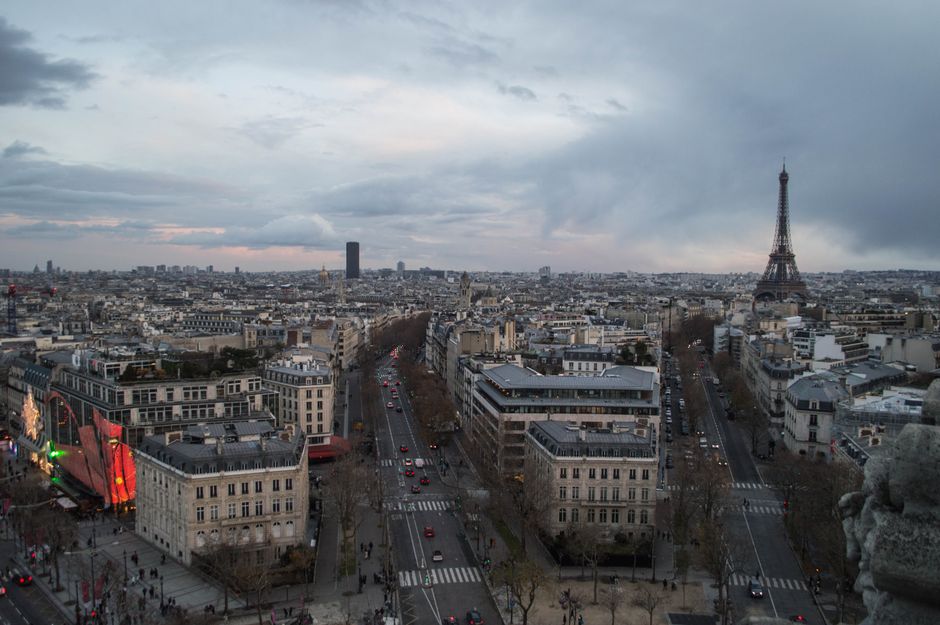
As summer settles over Paris, the city's security apparatus stands at a pivotal juncture. Three months of elevated violent crime—including assaults near République metro station and a series of robberies around Montmartre—has prompted urgent discussions about what comes next for the police prefecture and municipal authorities.
The data underscores the urgency. Reported incidents of aggravated assault in the 11th arrondissement rose 23 percent in the first half of 2026 compared to the same period last year, according to internal police statistics reviewed by The Daily Paris. The 18th arrondissement saw similar pressures, with emergency response times averaging 12 minutes during peak hours—a figure that has raised concerns among local business owners and residents alike.
Three major decisions loom before city officials and police leadership. First, whether to commit €8.5 million toward expanding the city's CCTV network, particularly along the Canal Saint-Martin and through the side streets of the Marais district, where muggings have clustered. Second, how to restructure coordination between the National Police and the Municipal Police, whose overlapping jurisdictions have occasionally created gaps in coverage. Third, whether permanent increases in foot patrols—requiring roughly 150 additional officers—are sustainable given broader budget pressures within the Interior Ministry.
Stéphane Beaufils, head of the Île-de-France police union, has publicly advocated for the patrol expansion, arguing that visible police presence deters crime. Yet the Prefect's office has signalled caution, citing recruitment challenges and the need to balance visible security with community-oriented policing initiatives that have shown promise in other districts.
The business community around Rue de Rivoli and in the Châtelet area has called for faster decisions. Some shopkeepers have privately funded additional private security, a trend that worries municipal officials who view it as a sign that public confidence is eroding.
A working group convenes next month to evaluate options. City Hall has signalled that any new spending will likely require cuts elsewhere or successful lobbying in Paris's regional security budget negotiations—a politically fraught process in an election year.
The stakes extend beyond statistics. How Paris responds will shape public perception of safety heading into the autumn tourism season and set precedent for how the city addresses crime prevention in an era of constrained public resources. Officials acknowledge that choosing between visible deterrence, technological solutions, and structural reform will define the city's security posture for years to come.
This article was compiled by AI from the sources linked above and screened before publishing. See our editorial standards.