Marais residents demand action as tourism surge strains neighbourhood services
Community voices from Paris's historic Jewish quarter call for stricter visitor limits and investment in local infrastructure.
Community voices from Paris's historic Jewish quarter call for stricter visitor limits and investment in local infrastructure.
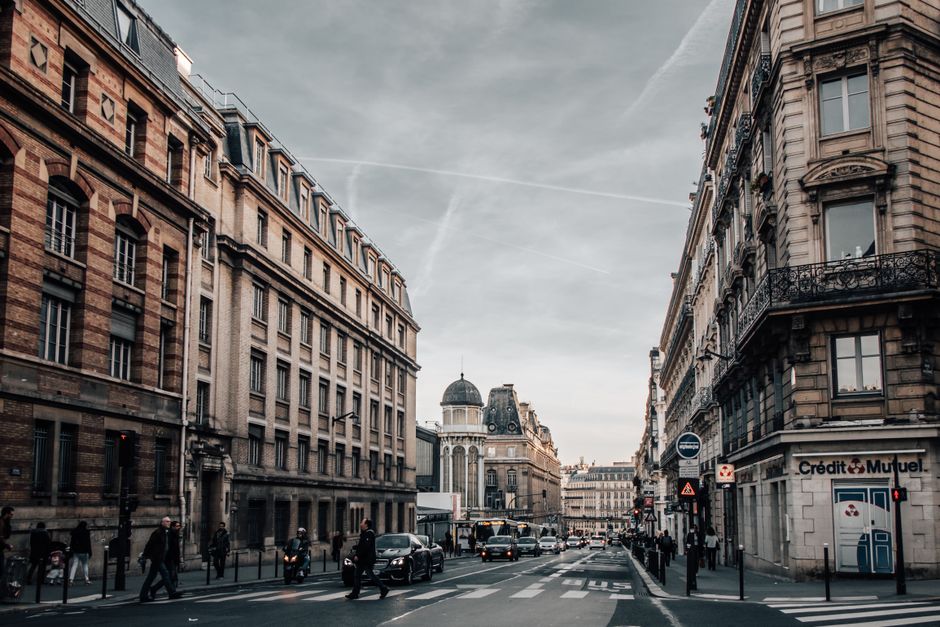
Residents of Paris's Marais neighbourhood are speaking out about the mounting pressures of mass tourism, as visitor numbers have surged 34% since 2024, overwhelming local services and threatening the character of one of the city's most culturally significant areas.
The historic quarter, bounded by Rue de Rivoli and Boulevard Beaumarchais, has long balanced its role as a tourist destination with its identity as a vibrant residential and commercial community. But shopkeepers, families, and long-time residents say the tipping point has been reached. Local bakeries report queues stretching onto narrow pavements during peak hours, while small pharmacies struggle to serve residents amid the crush of visitors seeking directions and merchandise.
The neighbourhood association, based near Place des Vosges, has collected testimonies from approximately 180 residents over the past three months. Their central complaint: inadequate public facilities and deteriorating air quality on streets like Rue des Rosiers and Rue Vieille du Temple, where foot traffic now exceeds 15,000 daily visitors during summer months.
"The infrastructure was built for a different Paris," explains one community leader from the Association pour la Sauvegarde du Marais, speaking on behalf of the broader group. "Our local clinics, waste management, and public toilets weren't designed for this volume."
Rents in the Marais have climbed 28% in five years, pricing out families who have lived here for generations. The Peixotto family, who ran a textile business on Rue de Turenne for 47 years, recently closed their shop—unable to afford the tripled rent when their lease renewed. Similar stories repeat across the neighbourhood, as property owners increasingly convert residential spaces and independent businesses into tourist-oriented restaurants and souvenir shops.
The city council acknowledged concerns in a June statement but noted budget constraints. However, residents point to successful interventions in Venice and Barcelona, where authorities implemented daily visitor caps and mandatory reservation systems at peak times.
Local schoolteacher Dominique Martin, who has worked at École Turenne for 19 years, describes the human impact: "Children can't play safely in our local parks anymore. The whole neighbourhood feels like a theme park rather than a home."
The Marais residents' coalition is presenting a formal petition to Paris's deputy mayor for cultural affairs next month, requesting a comprehensive neighbourhood management plan—including restricted access hours, expanded public services, and rent controls for long-term residents. Their message is clear: preservation of community life must balance with tourism revenue.
This article was compiled by AI from the sources linked above and screened before publishing. See our editorial standards.
How does this story make you feel?
Spread the word
About this article
Published by The Daily Paris
Daily brief
Free, in your inbox before 7am. Weekdays.
More in News