Paris's Green Revolution by the Numbers: What the Data Really Tells Us
As the city races toward carbon neutrality, newly published metrics reveal exactly how far Paris has come—and how far it still has to go.
As the city races toward carbon neutrality, newly published metrics reveal exactly how far Paris has come—and how far it still has to go.
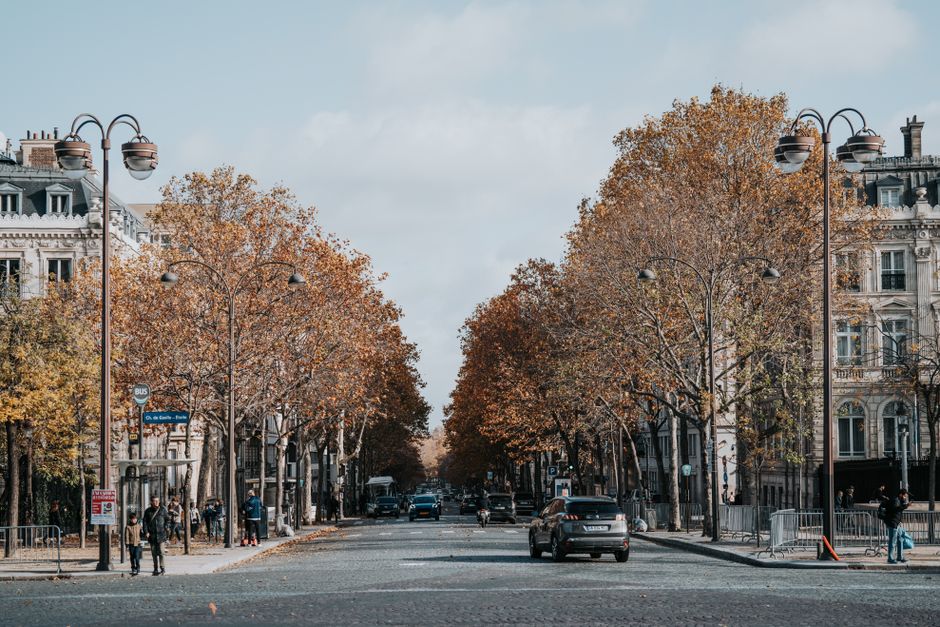
Paris's environmental transformation reads like an ambitious spreadsheet: 170,000 trees planted since 2020, a 55 per cent reduction in car traffic on the Left Bank over the past six years, and €2.5 billion invested in sustainability projects across the metropolitan region. Yet behind these eye-catching figures lies a more complex portrait of a city grappling with the mathematics of genuine change.
The latest sustainability audit, released by the Mairie de Paris in partnership with independent environmental consultancy Carbone 4, breaks down the city's progress with surgical precision. Cycling infrastructure has expanded from 700 kilometres of dedicated lanes in 2019 to 1,200 kilometres today—a figure that masks significant disparities. The 5th and 6th arrondissements report 340 per cent more bicycle journeys than they did three years ago, while peripheral neighbourhoods like Belleville and République lag considerably behind, with adoption rates hovering at just 45 per cent of central districts.
Energy consumption tells an equally instructive story. The city's public buildings have reduced emissions by 38 per cent since 2015, though residential heating—which accounts for 62 per cent of household energy use—remains stubbornly dependent on gas infrastructure. The thermal renovation programme targeting 8,000 buildings annually costs an average €45,000 per property, creating a funding gap that has slowed implementation to just 4,200 buildings per year.
Water usage reflects Parisian priorities distinctly. Consumption has dropped 18 per cent since 2018, driven primarily by industrial and commercial sectors reducing waste. Yet per-capita residential usage remains at 143 litres daily—above the European Union target of 120 litres. The Seine's recent pollution incidents have prompted €890 million in infrastructure upgrades, with completion targeted for 2029.
Perhaps most tellingly, Paris's waste statistics reveal where commitment meets reality. Recycling rates reached 67 per cent in 2025, substantially higher than the national average of 52 per cent, yet the city still generates 2.3 million tonnes of waste annually. The newly expanded composting programme across the 20th arrondissement has diverted 12,400 tonnes of organic matter from landfills in just eighteen months—but represents less than one per cent of the city's total biological waste.
These numbers matter because they distinguish genuine transformation from greenwashing. Paris has made measurable progress, but the data also exposes the uncomfortable truth: reaching carbon neutrality by 2050 requires investment and behaviour change occurring at speeds that current figures suggest remain insufficient. The numbers don't lie—they simply demand more.
This article was compiled by AI from the sources linked above and screened before publishing. See our editorial standards.
How does this story make you feel?
Spread the word
About this article
Published by The Daily Paris
Daily brief
Free, in your inbox before 7am. Weekdays.
More in News