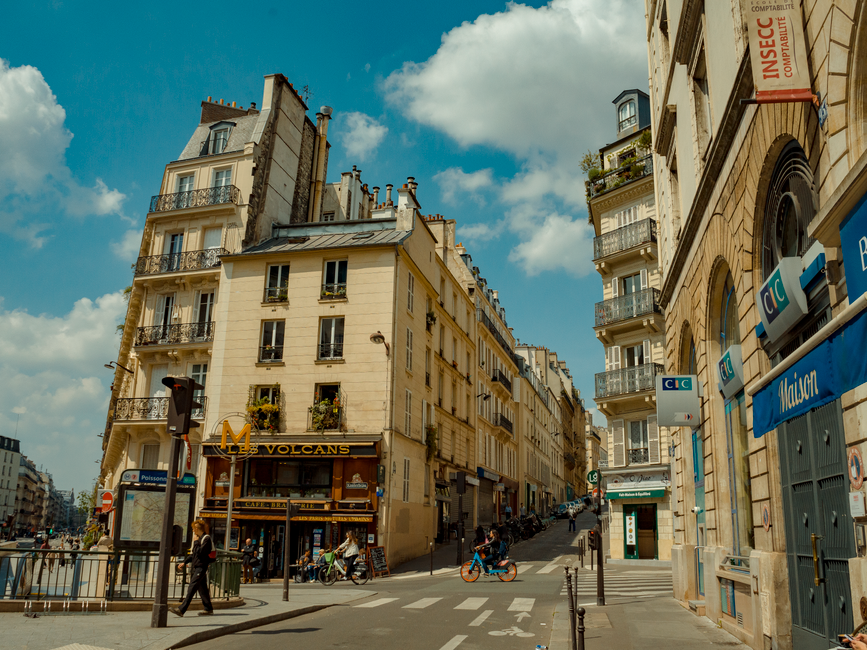
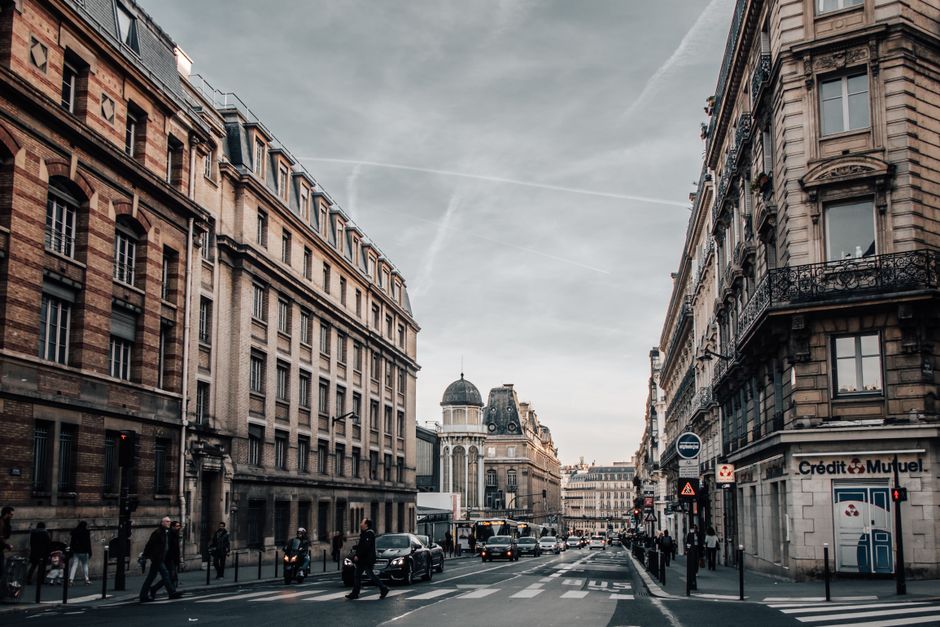
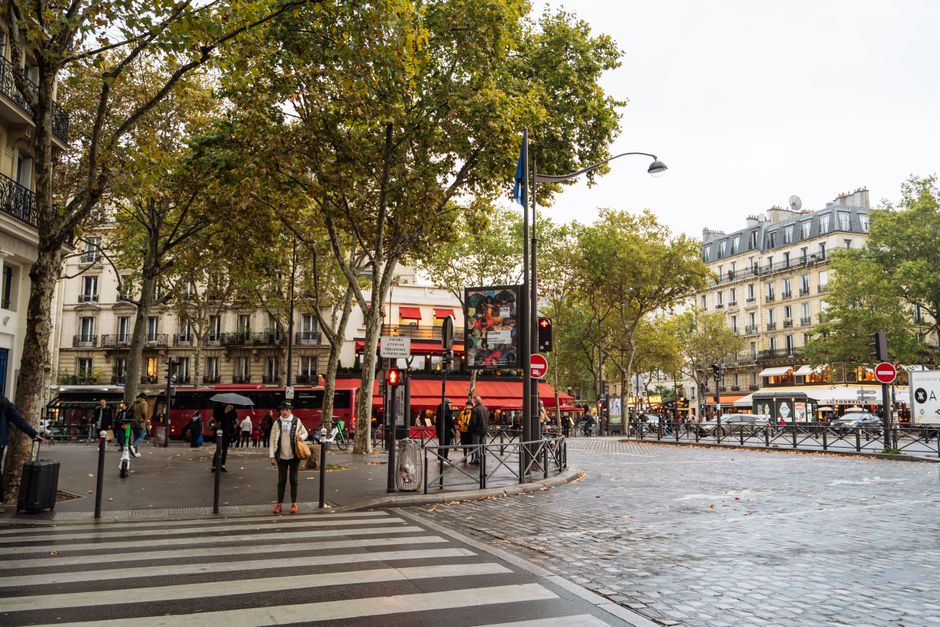
The jackhammers are deafening on Avenue de la République these days, but for commuters in Orly and Saint-Denis, the disruption signals something far more valuable: escape from transport isolation that has defined their daily routines for decades.
The €2.2 billion Metro expansion programme, now in its most intensive phase, represents the most significant infrastructure overhaul Paris has undertaken since the 1970s. Two major extensions—Line 14 pushing south towards Orly airport and Line 15 sweeping through the northern suburbs—will reshape how 400,000 residents navigate the city by 2030.
"For people in Clichy-sous-Bois and Montfermeil, this isn't just about faster commutes," says transport analyst Dr. Sophie Mercier at the Institut d'Aménagement et d'Urbanisme de la Région Île-de-France. "It's about dignity. Currently, a journey from these neighbourhoods to the Latin Quarter can take ninety minutes. The new extension cuts that to forty-five."
The Line 14 extension will add seven new stations, with particular impact on south-eastern zones where transport poverty has long constrained opportunity. Residents in Chevilly-Larue and Thiais currently spend upwards of €90 monthly on bus combinations to reach central employment hubs. Direct Metro access promises significant savings alongside reduced journey times.
Yet the community impact extends beyond commute times. Property analysts report 12-15 percent price premiums already emerging in districts immediately adjoining planned stations. For long-time residents in more affordable outer neighbourhoods, this raises thorny questions about gentrification. The Conseil de Paris has mandated 30 percent affordable housing allocations in development zones around new stations—a safeguard many local associations consider insufficient.
Construction disruptions remain severe. Rue d'Alésia is partially closed through 2027, forcing shopkeepers along the two-kilometre affected corridor to absorb revenue losses while hoping future convenience draws new clientele. Local businesses report 20-35 percent dips in footfall during major works phases.
The human calculus is complex. Parents in Val-de-Marne appreciate reduced school-run times; small traders fret about temporary isolation; young professionals eye investment opportunities; long-term residents worry about their changing neighbourhoods.
Completion dates remain ambitious but achievable. Line 14 reaches Orly by 2027; Line 15 completes its northern arc in 2028. By then, the inconvenience narrative will yield to connectivity gains, and Paris's transport geography will have fundamentally shifted toward the peripheries that have waited patiently for such investment.
This article was compiled by AI from the sources linked above and screened before publishing. See our editorial standards.