Seine-Side Residents Demand Real Action on Paris's Plastic Crisis
As the city pushes ambitious green initiatives, locals living along the riverbanks share their frustrations—and hopes—for genuine environmental change.
As the city pushes ambitious green initiatives, locals living along the riverbanks share their frustrations—and hopes—for genuine environmental change.
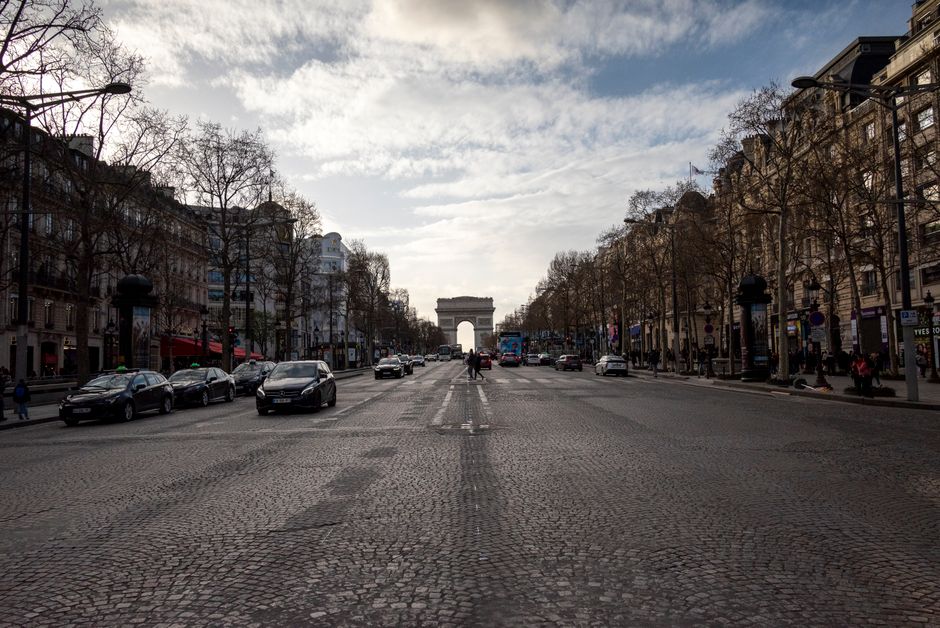
Strolling along the quais of the 4th arrondissement on a humid June afternoon, the problem is impossible to ignore. Plastic bottles, takeaway containers, and discarded shopping bags accumulate near the water's edge, despite Paris's much-publicised push toward becoming Europe's greenest capital. For residents living in neighbourhoods directly affected by the city's waste and pollution challenges, the disconnect between municipal ambition and street-level reality is painfully clear.
"The mayor announces these grand sustainability plans, but walk past Île de la Cité on any given day and you'll see the Seine treated like a dumping ground," says Nicole Mercier, a long-time resident of Rue Saint-Louis-en-l'Île who has witnessed decades of environmental promises. "We need those promises kept—not just announced at press conferences."
Paris's recent environmental strategy aims to reduce plastic consumption by 30 per cent by 2030 and achieve carbon neutrality by 2050. The city has invested heavily in new cycling infrastructure, expanded green spaces across Belleville and Marais, and launched campaigns against single-use plastics. Yet for many residents in working-class eastern districts like Ménilmontant, where waste management services have faced budget constraints, the reality feels different.
Community-led initiatives are filling perceived gaps. Local environmental groups across the 20th arrondissement have organised monthly river clean-ups, removing an estimated 500 kilograms of waste monthly from sections between Pont de l'Alma and Pont d'Iéna. "The city provides resources, yes," notes activist organiser David Laurent, "but it's residents doing the hands-on work. We shouldn't have to crowdfund environmental care in a capital city with our tax contributions."
Housing inequality intersects sharply with sustainability concerns. Residents in central districts benefit from improved air quality initiatives and new parks, while peripheral neighbourhoods near industrial zones and major roads continue breathing compromised air. Recent air quality data showed particulate matter concentrations in the 93 département north of Paris remain 40 per cent above WHO recommendations.
The frustration is not with green ambition itself—locals widely support Paris's climate commitments—but with perceived slow implementation and unequal distribution of benefits. "We're not asking for miracles," Mercier adds. "Just consistency. If the city commits to cleaner waterways and cleaner air, that shouldn't depend on which neighbourhood you live in."
As Paris prepares for continued expansion of its sustainability programs, community voices suggest the city must couple bold policy announcements with tangible, equitable delivery across all neighbourhoods.
This article was compiled by AI from the sources linked above and screened before publishing. See our editorial standards.
How does this story make you feel?
Spread the word
About this article
Published by The Daily Paris
Daily brief
Free, in your inbox before 7am. Weekdays.
More in News