From Ambitious Promises to Hard Choices: How Paris's Budget Crisis Became Unavoidable
Years of competing priorities and infrastructure demands have left City Hall facing its most difficult spending decisions in a decade.
Years of competing priorities and infrastructure demands have left City Hall facing its most difficult spending decisions in a decade.
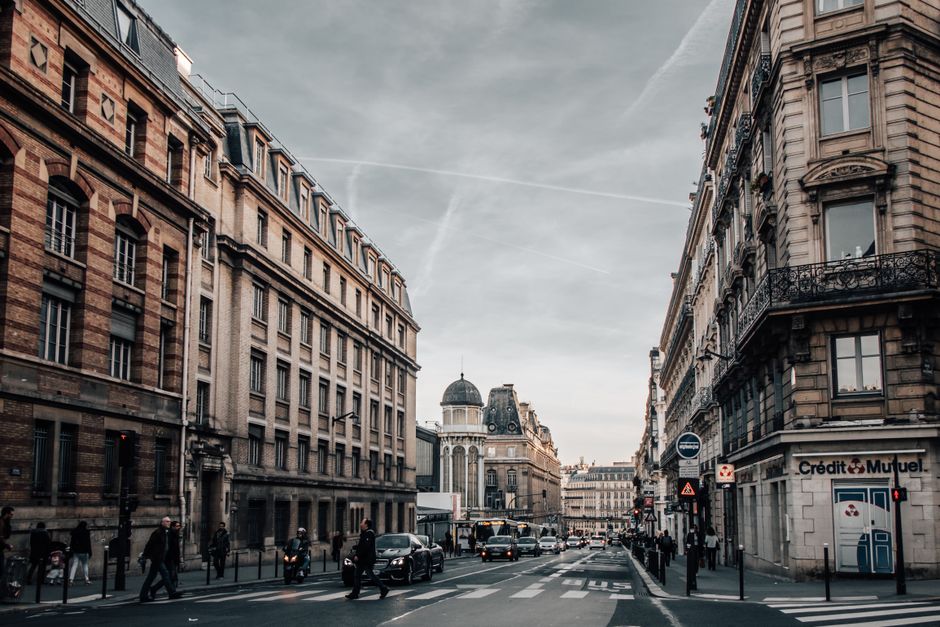
Paris's municipal government stands at a crossroads this summer, confronting budget constraints that didn't materialise overnight but rather accumulated through years of competing visions for the city's future. Understanding how the French capital arrived at this juncture requires examining the accumulated weight of decisions made—and delayed—over the past electoral cycle.
When Anne Hidalgo's administration took office in 2020, the pandemic had already begun reshaping municipal finances. Tourist revenue, which typically contributes roughly €2 billion annually to the city's economy, plummeted. Hotel occupancy rates on the Left Bank and around Montmartre fell below 30 per cent. Yet simultaneously, the administration committed to ambitious climate goals: the renovation of the Seine's quays, expansion of cycling infrastructure across the 20 arrondissements, and the modernisation of social housing stock in peripheral neighbourhoods like Belleville and La Chapelle.
The mathematics grew complicated quickly. The city committed €600 million to improving schools in outer districts, responding to long-standing complaints about disparities between wealthy central areas and struggling peripheries. Meanwhile, maintenance backlogs on the Metro's aging infrastructure and the upkeep of landmarks like Notre-Dame's reconstruction oversight demanded attention. Commercial rents along the Marais and Saint-Germain-des-Prés have tripled in twenty years, straining small businesses that form the cultural backbone of these neighbourhoods.
By 2023, the city's structural deficit became undeniable. Rising energy costs—heating and powering 105 municipal buildings—consumed increasing percentages of operational budgets. Labour agreements negotiated during the pandemic's uncertainty matured into permanent obligations. The decision to upgrade lighting and safety measures across all 20 arrondissements, while popular with residents, required sustained investment that wasn't initially fully provisioned.
What many Parisians may not realise is that the city also inherited financial complications from previous administrations. Contracts signed for waste management and street maintenance locked the city into terms that became disadvantageous as inflation accelerated. Promises made about subsidising public transport fares to remain among Europe's most affordable have proven increasingly expensive to maintain.
Today, city councillors face genuine trade-offs: choosing between funding youth centres in struggling eastern districts or expanding the Île-de-France transport network, between heritage preservation in the Marais or affordable housing expansion. These aren't failures of management alone, but the inevitable collision between a historic global city's ambitions and economic reality. The decisions made in the coming weeks will reveal what Paris genuinely prioritises.
This article was compiled by AI from the sources linked above and screened before publishing. See our editorial standards.
How does this story make you feel?
Spread the word
About this article
Published by The Daily Paris
Daily brief
Free, in your inbox before 7am. Weekdays.
More in News