By the Numbers: How Paris's 11th Arrondissement Became the City's Unexpected Volunteer Hub
Data reveals that Bastille's neighbourhood has quietly transformed into a centre for civic engagement, with participation rates far outpacing city averages.
Data reveals that Bastille's neighbourhood has quietly transformed into a centre for civic engagement, with participation rates far outpacing city averages.
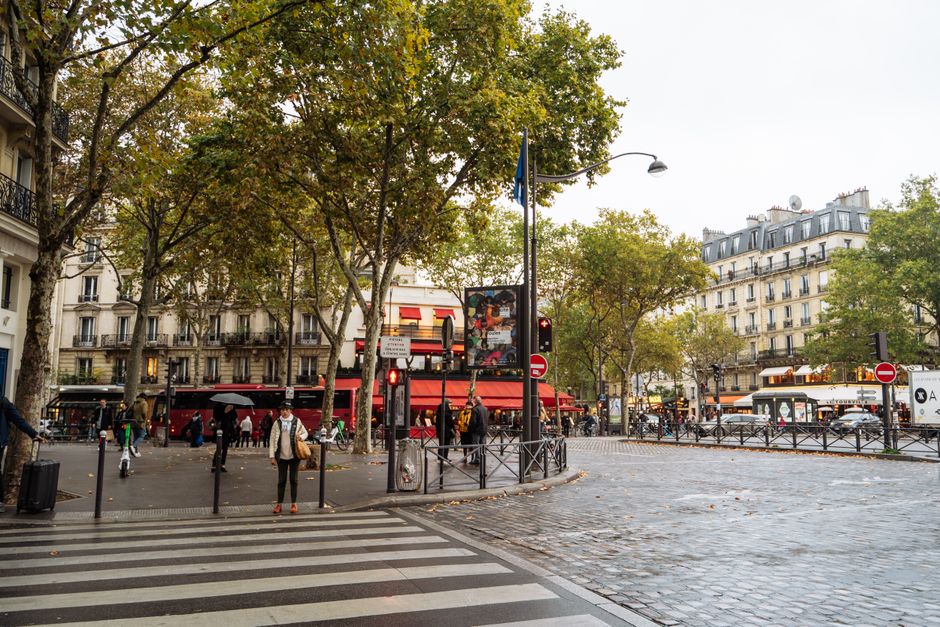
Behind the crowded café terraces and vintage boutiques of Paris's 11th arrondissement, an unexpected story is unfolding—one told not in anecdotes but in statistics that challenge conventional wisdom about urban engagement.
According to figures compiled by the Mairie of the 11th and cross-referenced with data from Paris Solidarité, the arrondissement has experienced a 47% surge in registered volunteers over the past three years, rising from 2,840 active participants in 2023 to 4,170 by mid-2026. For context, citywide volunteer participation increased just 12% in the same period, making the 11th an outlier in a city often stereotyped as individualistic and disconnected.
The numbers paint a portrait of transformation centred on specific neighbourhood institutions. The Belleville-Ménilmontant food bank, operating from a converted warehouse on rue Jean-Pierre Timbaud, now distributes food to 340 families weekly—triple the 2024 figure. Across the arrondissement, three community centres report waiting lists for their French-language integration programmes, with 560 participants enrolled compared to 180 just eighteen months ago.
Youth engagement statistics prove particularly striking. The 11th's youth civic participation rate stands at 18.3%, the highest among Paris's central arrondissements, according to Institut d'Études Politiques analysis. Young people aged 16-25 comprise 34% of volunteers at local organisations—notably above the 22% average elsewhere in the city.
Economic data reinforces the narrative. Local business association figures show 156 new micro-enterprises launched by residents since January 2025, concentrated in the social economy sector. Meanwhile, property values in pockets of the 11th have risen more modestly (3.2% annually) than surrounding arrondissements, suggesting the neighbourhood remains accessible to working-class families driving much of the civic activity.
Why here? Researchers point to infrastructure density: nine community organisations operate within the 11th's 4.2 square kilometres, compared to a Paris average of 2.1 per square kilometre. The arrondissement's population of 148,000 remains demographically diverse, with 41% of residents born outside France—potentially fostering stronger interdependence networks.
The data presents a curious Parisian portrait: a neighbourhood where statistics contradict stereotypes, where participation exceeds expectations, and where the quotidian work of civic life is occurring not on front pages but in spreadsheets and volunteer rosters, quietly reshaping community resilience one number at a time.
This article was compiled by AI from the sources linked above and screened before publishing. See our editorial standards.
How does this story make you feel?
Spread the word
About this article
Published by The Daily Paris
Daily brief
Free, in your inbox before 7am. Weekdays.
More in News