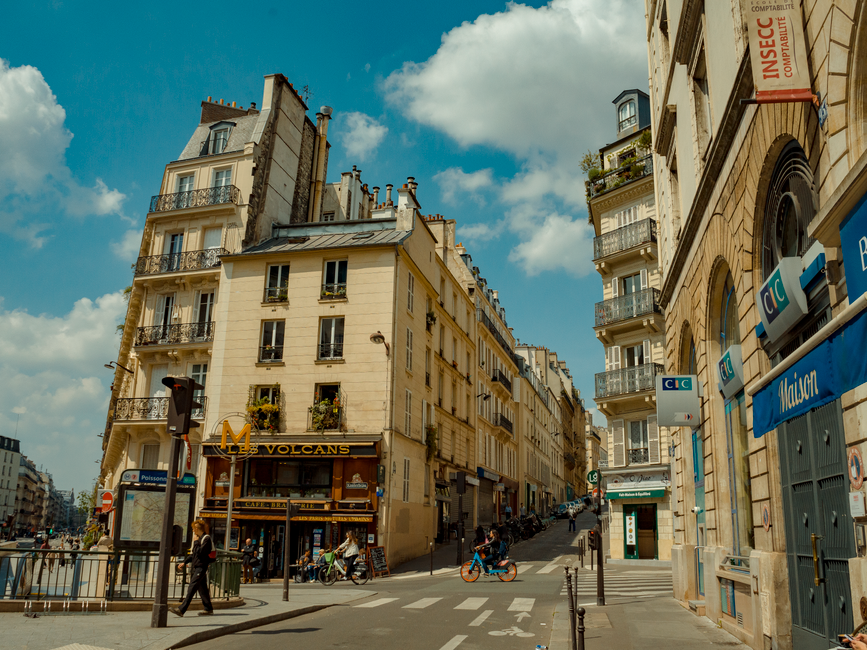
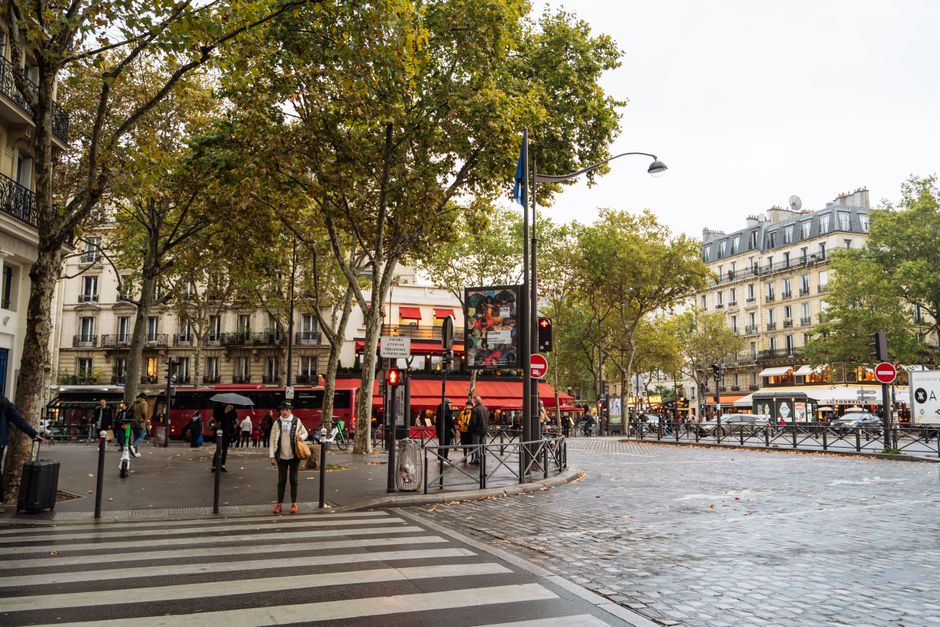
Walking along the Marais on a June morning, you notice something that would have seemed impossible a decade ago: cyclists outnumber cars on rue de Turenne. This isn't accident. It's the visible result of Paris's ambitious sustainability push—and it's quietly reshaping how millions of residents live, commute and spend their money.
The numbers tell the story. Since 2020, the city has expanded its cycling network by over 200 kilometres, with another 180 kilometres planned by 2026. For residents in the 11th and 12th arrondissements, this means real savings. A monthly Vélib' subscription costs €15, compared to €80 monthly for metro passes or €200 for petrol in today's market. Working parents in Belleville and Ménilmontant are discovering they can reach schools, workplaces and the Bois de Vincennes faster by bike than by congested traffic.
But the transformation extends beyond transport. The city's ambitious goal to plant 170,000 new trees by 2026 is already visible in Île-de-France neighbourhoods. Parks like Parc des Buttes-aux-Cailles in the 13th have become refuge spaces during increasingly hot summers—a practical response to rising temperatures that killed over 2,500 French residents in 2022.
For businesses and residents, the shift carries financial weight. Property values in greener neighbourhoods around Canal Saint-Martin have risen 12% since 2021, according to local estate agents. Meanwhile, the city's push toward circular economy initiatives has sparked a renovation boom. Companies offering insulation upgrades and heat pump installations are booked months in advance, with residents recouping costs through reduced energy bills—crucial as heating and electricity expenses consume 15% of household budgets for many Parisians.
Yet sustainability isn't purely aspirational. The expansion of pedestrian zones around Notre-Dame and the Île de la Cité has reduced air pollution in the 4th arrondissement by 18% since 2023. For parents with children, fewer diesel engines mean fewer respiratory visits to hospitals like Hôpital Saint-Louis.
The challenge remains equity. While wealthier arrondissements embrace green innovation, outer suburbs like Aubervilliers and Saint-Denis lag in infrastructure investment. Community organisations are pushing the municipal government to ensure sustainability benefits reach beyond central Paris.
As heat waves intensify and living costs bite, Parisians increasingly recognise that environmental action isn't ideological—it's practical. Clean air, affordable transport, cooler summers and lower bills resonate across class lines. Paris's green revolution, in short, is becoming everyone's revolution.
This article was compiled by AI from the sources linked above and screened before publishing. See our editorial standards.