Beyond the Tourist Trap: What Real Parisians Actually Buy at Their Local Markets
We asked everyday shoppers across the city's neighbourhoods to reveal where they really spend their euros—and why chain stores don't stand a chance.
We asked everyday shoppers across the city's neighbourhoods to reveal where they really spend their euros—and why chain stores don't stand a chance.

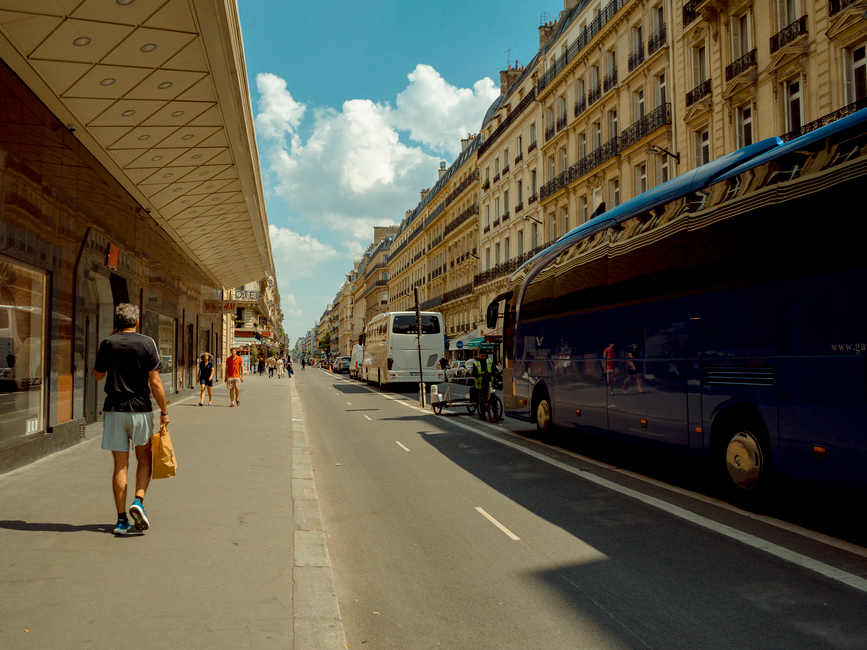
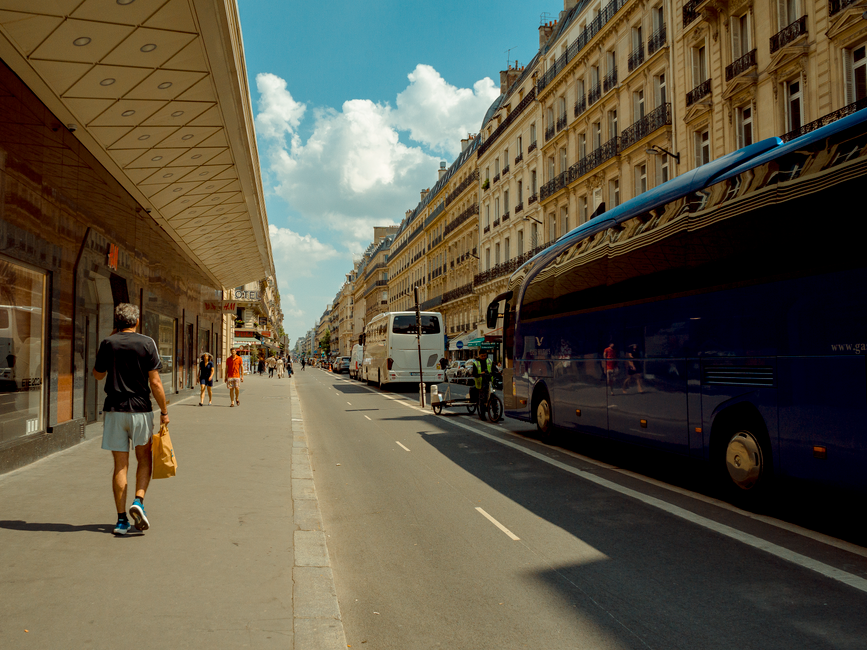
Walk past the postcard stalls of Rue de Rivoli on any given morning, and you'll spot tourists clutching designer bags. But venture three blocks into the 4th arrondissement, and you'll find where actual Parisians do their shopping: the covered Marché des Enfants Rouges, a 350-year-old institution tucked behind Place des Vosges where locals queue for rotisserie chicken and North African takeaway at lunch.
The reality of shopping in Paris 2026 is far removed from the luxury mythology. Real residents prioritise neighbourhood markets—Marché Bastille on Thursday and Sunday mornings, Marché Raspail in the 6th on Wednesdays and Sundays—where vendors sell seasonal vegetables at roughly 30% less than supermarket chains. A kilogram of heirloom tomatoes runs €3–4 in June; strawberries, €5. Most Parisians I spoke with visit these markets weekly, treating them as both commerce and community.
The shift away from chain retail is pronounced. According to Paris Chamber of Commerce data, independent food retailers have stabilised at around 12,000 establishments across the city, bucking broader European decline. Specialist shops—fromageries, boucheries, boulangeries—remain embedded in daily routines. Maison Kayser's bread costs €1.20 for a baguette; Carrefour's house brand, €0.85. Most locals accept the premium for taste and freshness.
Clothing and vintage finds tell another story. The Marais district, particularly around Rue des Francs-Bourgeois and Rue Vieille du Temple, hosts independent boutiques selling contemporary pieces at prices competitive with fast fashion. Vintage shops proliferate—Rue de Marseille in the 10th has become a hub for second-hand designer finds, appealing to younger Parisians navigating cost-of-living pressures. Thrifted Hermès scarves fetch €40–80; vintage Levi's, €20–35.
The real discovery, locals emphasise, is patience. Shopping in Paris rewards those willing to navigate small streets, chat with shopkeepers, and abandon the convenience of one-stop retail. A Wednesday morning at Marché Raspail yields organic produce, artisanal cheese, and fresh pasta—each vendor a relationship cultivated over seasons. The price? Often identical to supermarkets, but the experience transforms shopping from transaction into ritual.
For furniture and homewares, the Oberkampf and Belleville neighbourhoods have emerged as alternatives to chain stores, hosting independent design shops and flea markets. The Canal Saint-Martin area now hosts monthly vintage markets; entry is free, and finds range from affordable to eccentric.
The consensus among real Parisians: shopping authentically requires time investment, not money. Accept that convenience costs, embrace neighbourhood discovery, and the city reveals itself through its markets and independent retailers—not its branded flagships.
This article was compiled by AI from the sources linked above and screened before publishing. See our editorial standards.
How does this story make you feel?
Spread the word
About this article
Published by The Daily Paris
Daily brief
Free, in your inbox before 7am. Weekdays.
More in lifestyle