Paris Markets: Why They Beat London & New York
Discover why Paris markets thrive while other cities struggle. From Marché Bastille to Marché Aligre, explore how independent vendors maintain authentic neighbourhood commerce.
Discover why Paris markets thrive while other cities struggle. From Marché Bastille to Marché Aligre, explore how independent vendors maintain authentic neighbourhood commerce.
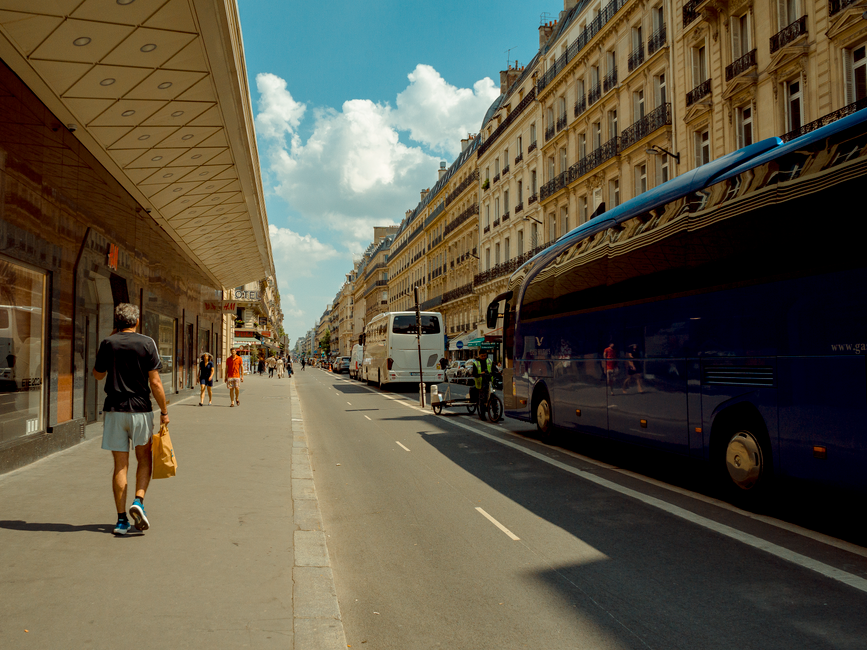
Walk through Marché Bastille on a Thursday morning and you'll understand immediately why Paris has resisted the homogenisation that's claimed retail spaces everywhere else. While shopping districts in London succumb to chains and New York's streets blur into sameness, this city of 2.2 million has maintained something increasingly rare: a functioning ecosystem where independent vendors, artisanal producers and neighbourhood commerce thrive alongside contemporary retail.
The numbers tell part of the story. Paris hosts approximately 85 outdoor and covered markets weekly, with Marché Aligre in the 12th arrondissement moving an estimated 3,000 tonnes of produce annually. Compare that to most cities, where traditional markets have contracted by 40-60% over two decades. Here, they've stabilised—even grown—because Parisians still treat them as social infrastructure rather than nostalgic novelties.
What distinguishes Paris isn't just preservation; it's integration. The Galeries Lafayette on Boulevard Haussmann operates at a different cultural register than comparable flagships elsewhere. Yes, it's luxury retail, but it coexists with the surrounding neighbourhood's fabric rather than dominating it. The 9th arrondissement remains fundamentally a residential district where people actually live, work and shop daily. The department store enhances rather than erases that reality.
The city's covered passages—those 19th-century arcades threading through the 2nd and 9th arrondissements—represent Paris's most singular retail asset. Passages des Panoramas, Jouffroy and Vivienne remain functional shopping environments, not museum pieces. Independent jewellers, vintage booksellers and speciality food shops operate there at rents that would be impossible on surface streets. This isn't an accident: municipal policy and cultural consensus protect this model.
Contrast this with Milan's Galleria, which has progressively surrendered to luxury conglomerates, or London's Oxford Street, increasingly defined by corporate homogeneity. Even New York's Soho, once genuinely bohemian, now mirrors every other wealthy global neighbourhood.
Paris's secret lies partly in regulation—rent controls and tenant protections make independent retail viable—but mostly in philosophy. The city treats shopping districts as neighbourhood anchors deserving stewardship, not real estate to be optimised. Rue Mouffetard in the 5th arrondissement still hosts a daily market where vendors have operated for generations. Rue des Martyrs in the 18th remains genuinely mixed: fromagerie next to contemporary boutique, bakery beside concept store.
That's not quaintness; it's sophistication. Paris understood that cities thrive when shopping remains embedded in daily life rather than cordoned into destinations. While rivals chased retail tourism, Paris protected something more valuable: a city where people still actually shop.
This article was compiled by AI from the sources linked above and screened before publishing. See our editorial standards.
How does this story make you feel?
Spread the word
About this article
Published by The Daily Paris
Daily brief
Free, in your inbox before 7am. Weekdays.
More in lifestyle