Stand at Châtelet station during rush hour and you'll witness something remarkable: millions of journeys completed with remarkable efficiency. The RATP operates 16 métro lines, 63 bus routes, and a tram network that moves 5.3 million passengers daily. Yet what distinguishes Paris isn't merely the numbers—it's the philosophy underlying them.
Compare this to London's fragmented transport governance or New York's aging infrastructure, and Paris's integrated approach becomes clear. The Île-de-France region's transport authority coordinates everything from the RER A (which connects Châtelet-Les Halles to La Défense and the airports) to suburban express buses, creating a unified system where a single €2.15 ticket works across zones. This standardisation eliminates the psychological friction that plagues commuters elsewhere.
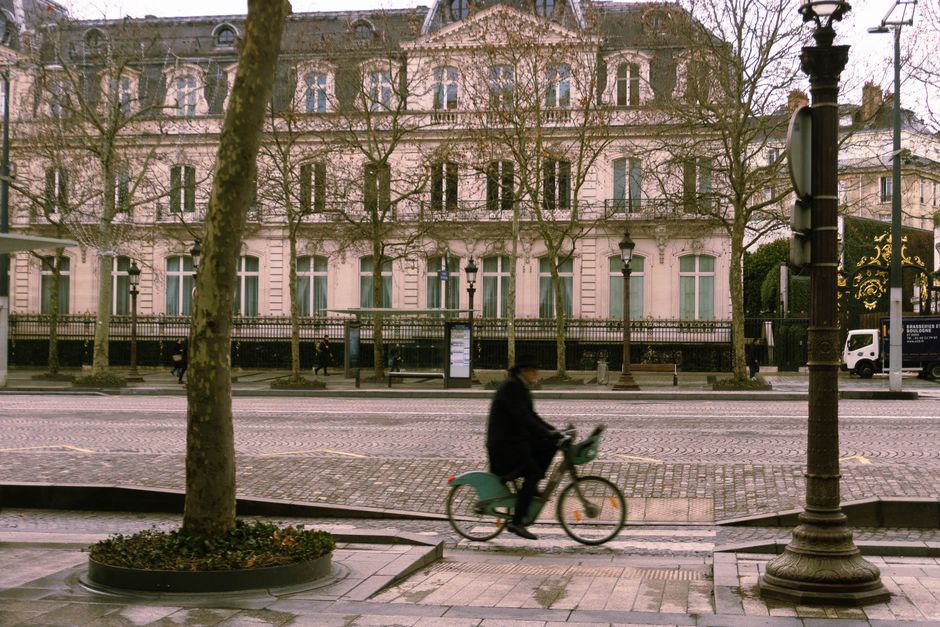
The city's commitment to non-motorised transport further separates it from global peers. With 1,200 kilometres of cycling infrastructure—including protected lanes on the Rue de Rivoli and Pont Alexandre III—plus Vélib', the world's third-largest bike-sharing scheme with 14,500 bicycles across 1,400 stations, Paris has made cycling genuinely competitive with driving. Average commute times here hover around 26 minutes; in comparable cities like Los Angeles or Atlanta, they exceed 45 minutes.
Then there's the geography. Paris's concentric arrondissements, with their radial métro lines converging at hubs like République and Bastille, create natural movement patterns that reduce congestion. The périphérique ring road channels through-traffic away from residential zones—a distinction lacking in sprawling cities that struggle with arterial gridlock.
Pricing further reflects this sophistication. A monthly Navigo Easy pass costs €84.90, covering unlimited travel across the Île-de-France. Tokyo's commuters, despite exceptional rail networks, often pay double this for comparable coverage. Meanwhile, Paris's €0.30 daily congestion charge encourages public transport adoption without the sting of London's £15 daily levy.
Recent innovations accelerate this lead. Real-time RATP apps, integration with Google Maps and Apple's transit tools, and expanding bus rapid transit corridors (like the new BRT 393 serving Orly Airport) address contemporary mobility demands. The planned Grand Paris Express, with 200 kilometres of new metro-like capacity completed by 2030, will further decentralise access beyond the traditional central arrondissements.
Critics rightfully note challenges: strikes periodically paralyse services, suburban connectivity remains patchy, and climate adaptation for the aging network is incomplete. Yet fundamentally, Paris demonstrates that urban transport excellence emerges not from isolated infrastructure projects, but from sustained public investment, integrated planning, and viewing mobility as a public good rather than a commercial product.
That's why, as cities globally grapple with congestion and emissions, they're studying Paris's blueprint. The answer wasn't revolutionary—it was just consistent.
This article was compiled by AI from the sources linked above and screened before publishing. See our editorial standards.